Why Does My Hair Dry Frizzy? 20 Stop Frizz with Simple Tips
Frizz is one of the most common hair struggles, and people everywhere ask the same question—why does my hair dry frizzy? It’s not just about humidity or lack of products. Frizz happens when your hair cuticle lifts and moisture escapes, leaving strands rough, unruly, and difficult to manage. Understanding the real reasons behind frizz can help you fight it without relying on endless bottles of serums and sprays. Let’s break it down in simple terms.
Lack of Moisture in Hair
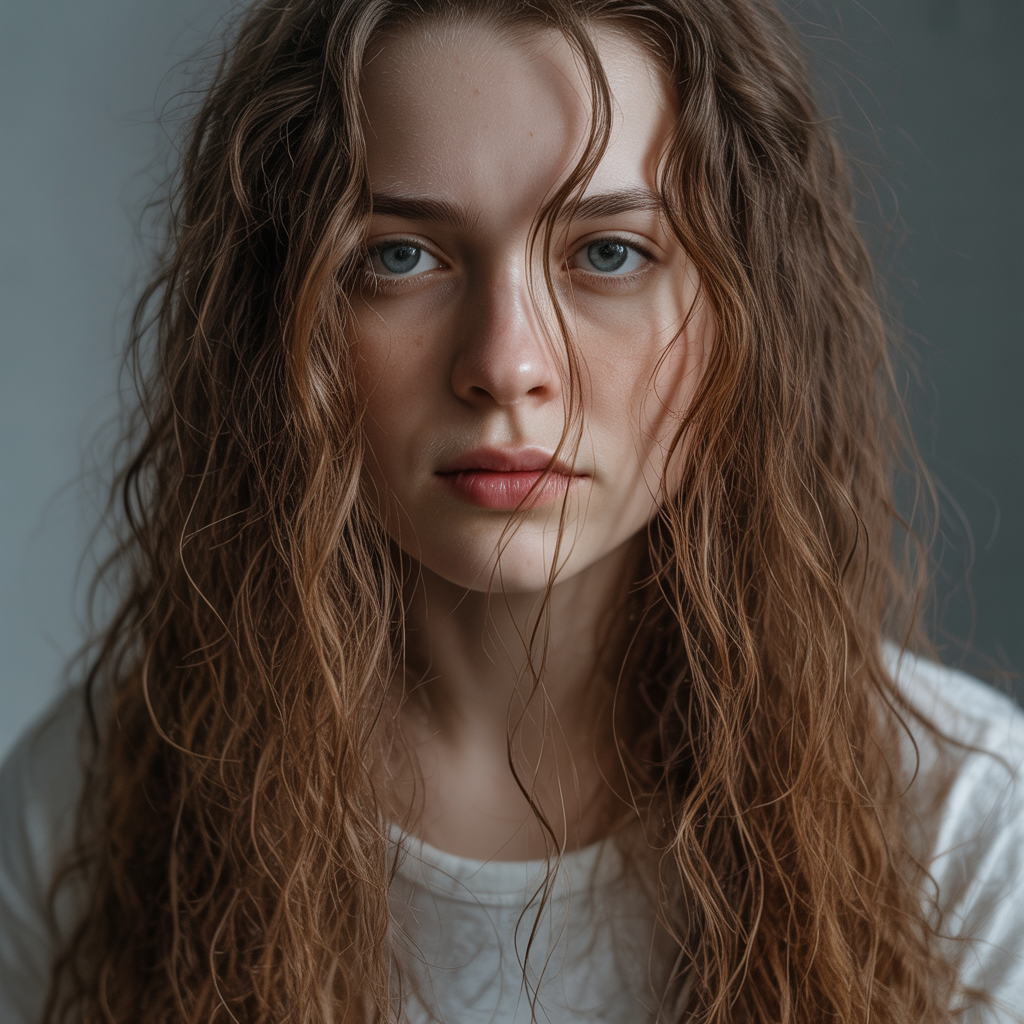
If you’re wondering why does hair dry frizzy, the first culprit is dehydration. Hair that lacks enough moisture becomes brittle, and the cuticle lifts to grab water from the air. That’s why frizz is worse on humid days. Hydrating shampoos, deep conditioners, and lightweight leave-in creams can help lock in hydration and keep your strands from rebelling.
Overwashing and Harsh Shampoos
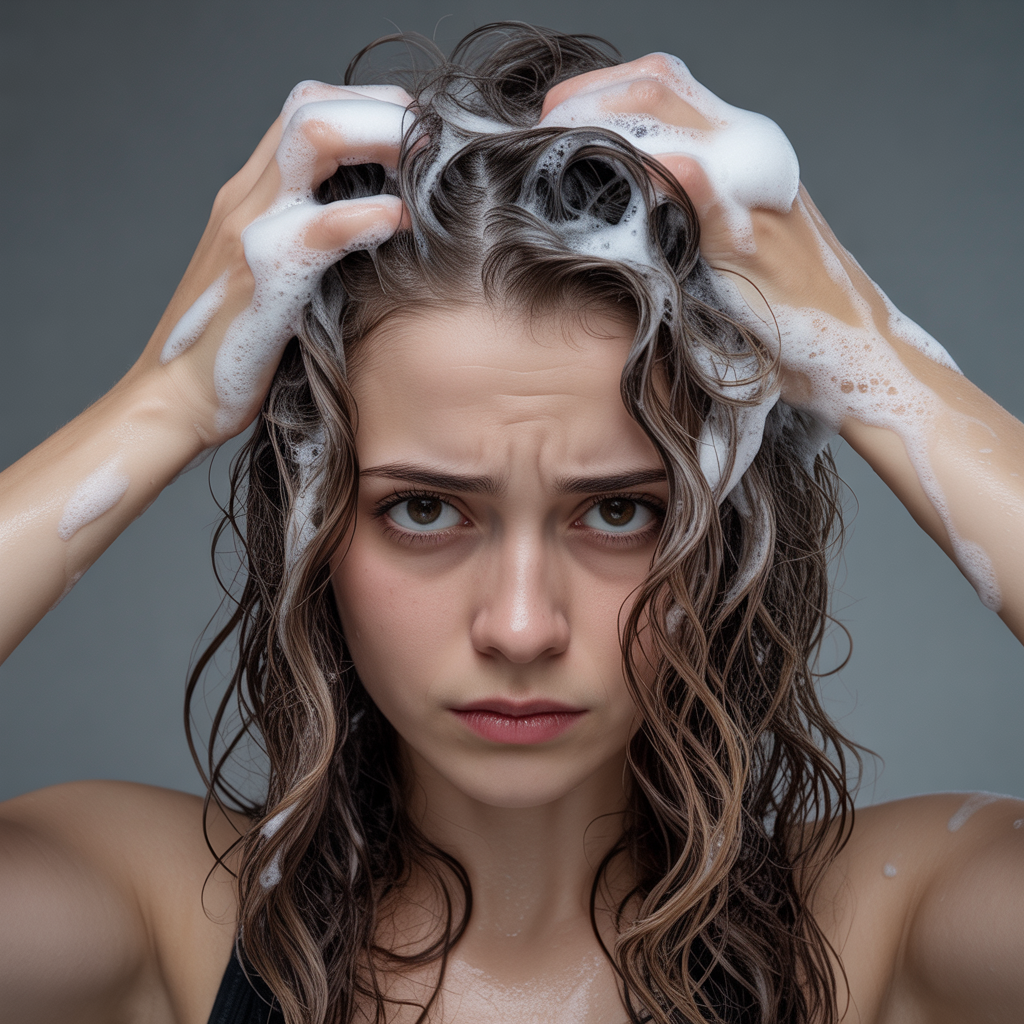
Frizz often starts in the shower. Using harsh shampoos or washing too frequently strips natural oils, leaving your scalp dry and hair exposed. Sulfates in many shampoos can be brutal for already delicate strands. If you’re asking why does hair dry frizzy, check your cleansing routine first—try spacing out washes and switch to a gentle, sulfate-free formula.
Heat Damage from Styling Tools
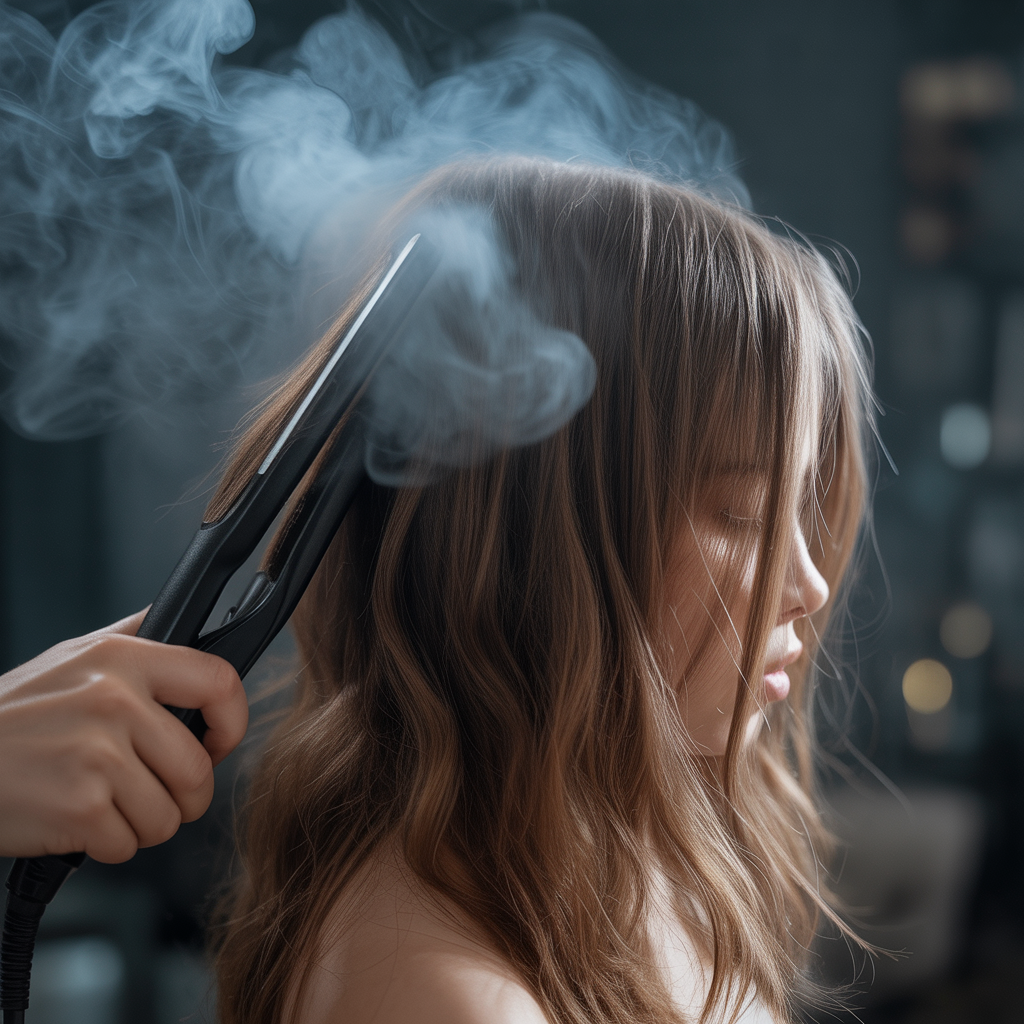
Flat irons, curling wands, and blow dryers can all make you wonder why does hair dry frizzy. Heat strips the cuticle of its protective layer, leaving it dry and rough. Once that happens, hair starts lifting, tangling, and frizzing. If you must use heat, always add a protective spray and keep the temperature as low as possible.
Environmental Humidity

Humidity is both friend and foe. Hair naturally seeks balance, so when it’s dry inside, it pulls moisture from humid air outside. That sudden swelling creates puffiness and frizz. Many people asking why does hair dry frizzy don’t realize how much the weather affects it. Anti-humidity sprays and protective hairstyles can help.
Rough Towel Drying
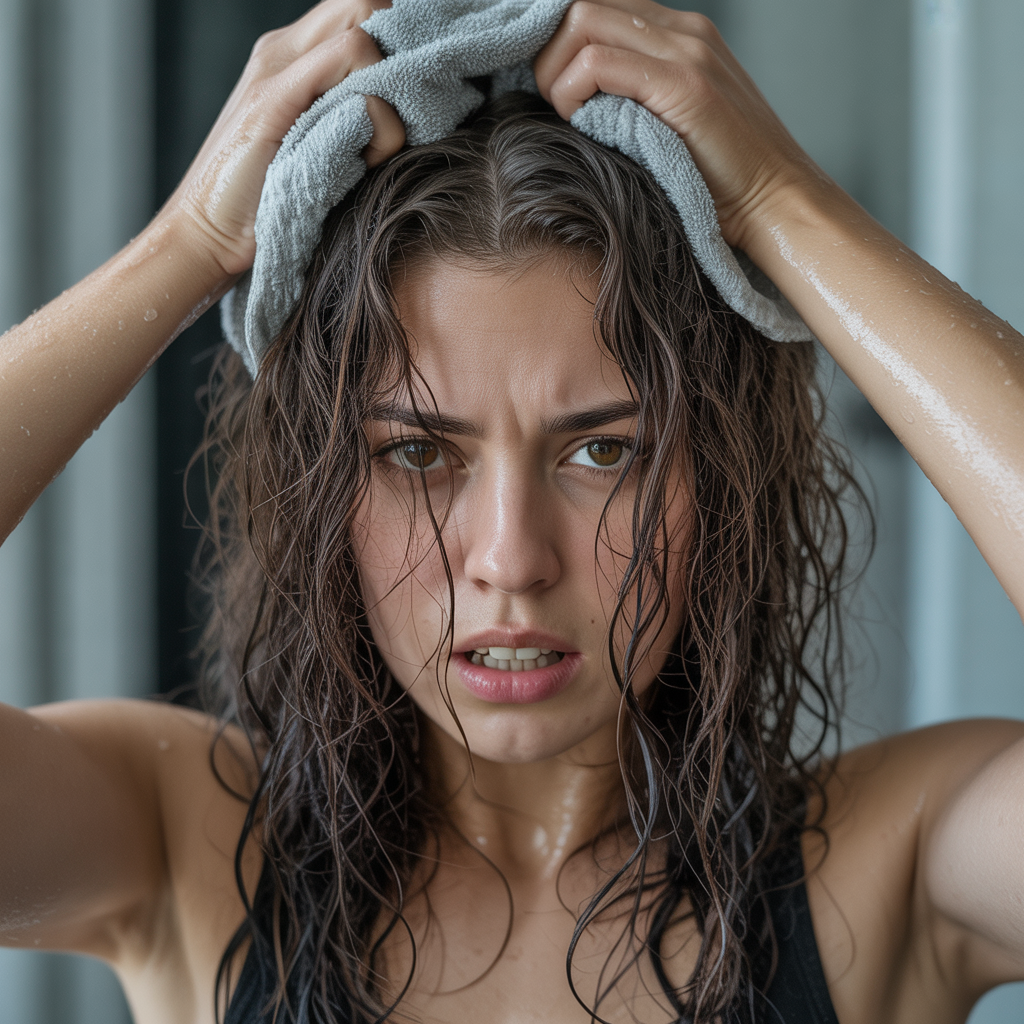
That quick rub with a cotton towel may feel harmless, but it’s not. When hair is wet, it’s at its weakest, and towel friction raises the cuticle. That’s another reason why does hair dry frizzy after washing. Instead, use a microfiber towel or an old T-shirt to blot, not rub.
Lack of Proper Conditioning
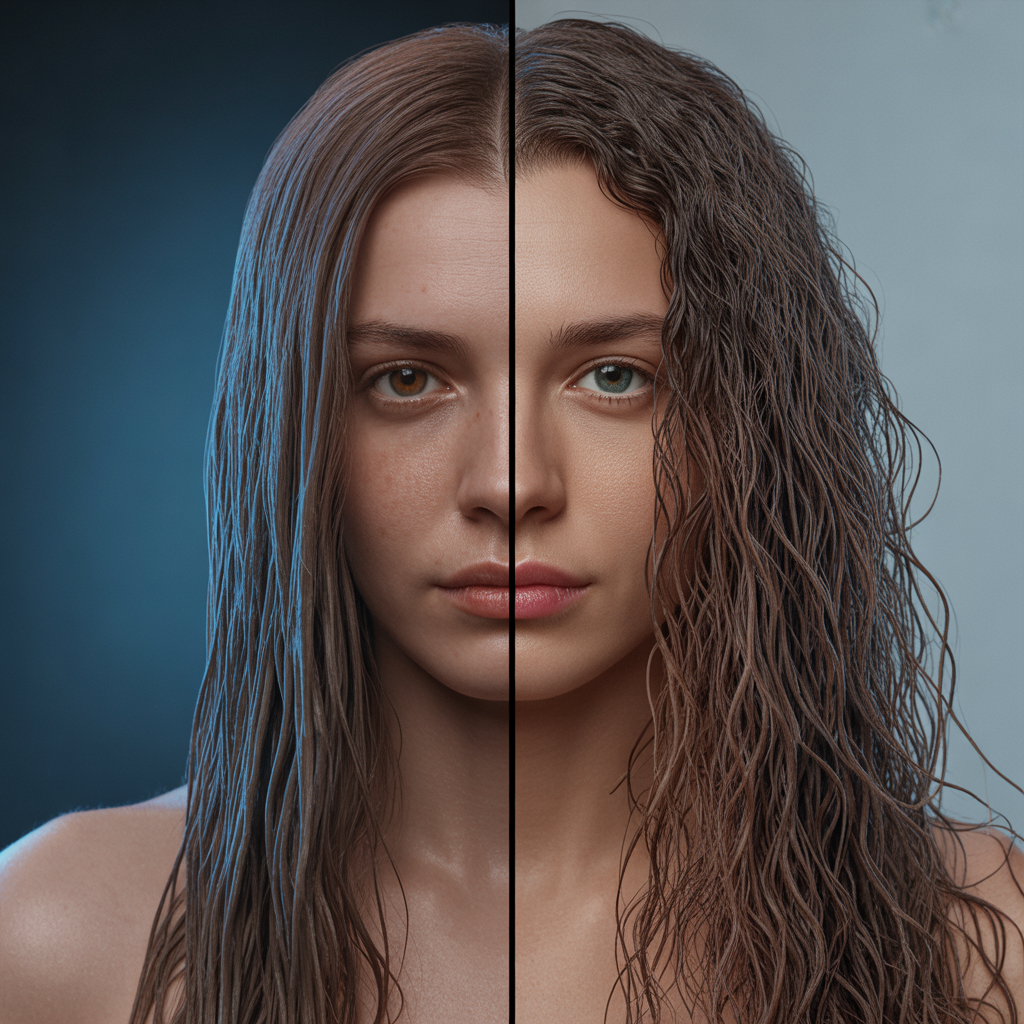
Skipping conditioner or using the wrong type leaves hair unprotected. Conditioners seal the cuticle, add slip, and prevent friction. People constantly asking why does hair dry frizzy often discover they haven’t been conditioning enough—or at all. A nourishing conditioner is non-negotiable if you want smoother strands.
Chemical Treatments
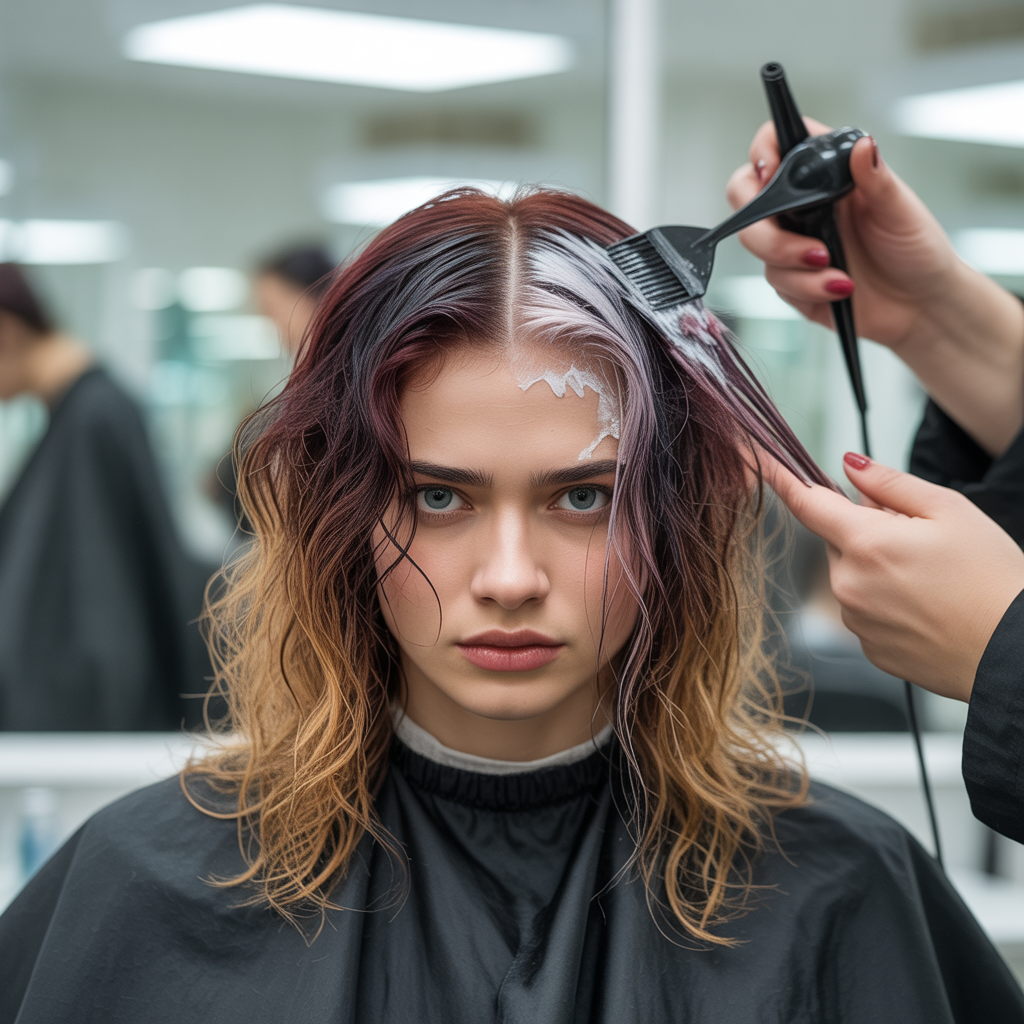
Bleaching, perming, and relaxing all strip hair of moisture and damage the cuticle. Once the cuticle is lifted, moisture escapes, and frizz takes over. Many find themselves asking why does hair dry frizzy after a chemical service. Recovery requires deep masks, bond repair treatments, and a pause from further processing.
Split Ends and Breakage
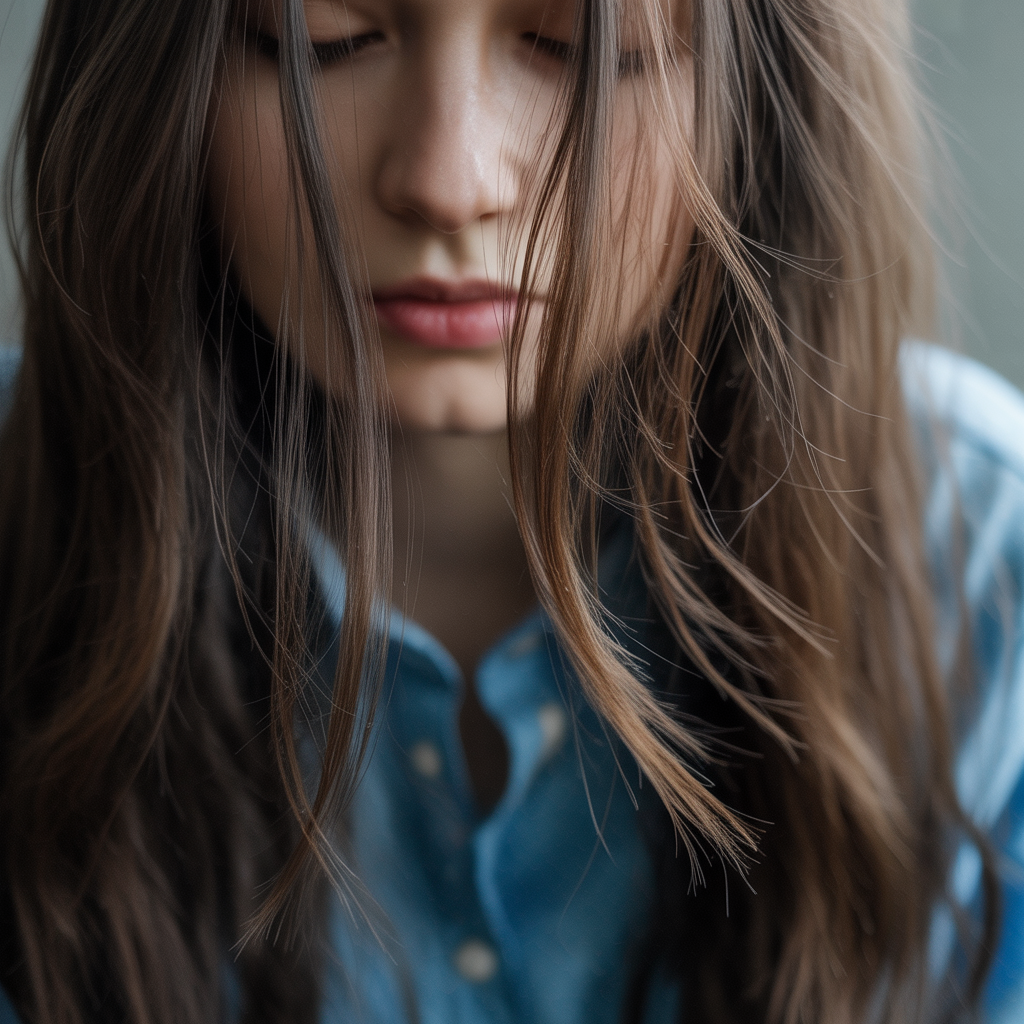
Damaged ends fray and puff out, making hair appear frizzier than it really is. If you’re noticing more dryness at the tips and wondering why does hair dry frizzy, split ends are likely to blame. The only real cure is trimming them off, followed by better maintenance to prevent more splits.
Wrong Hair Products
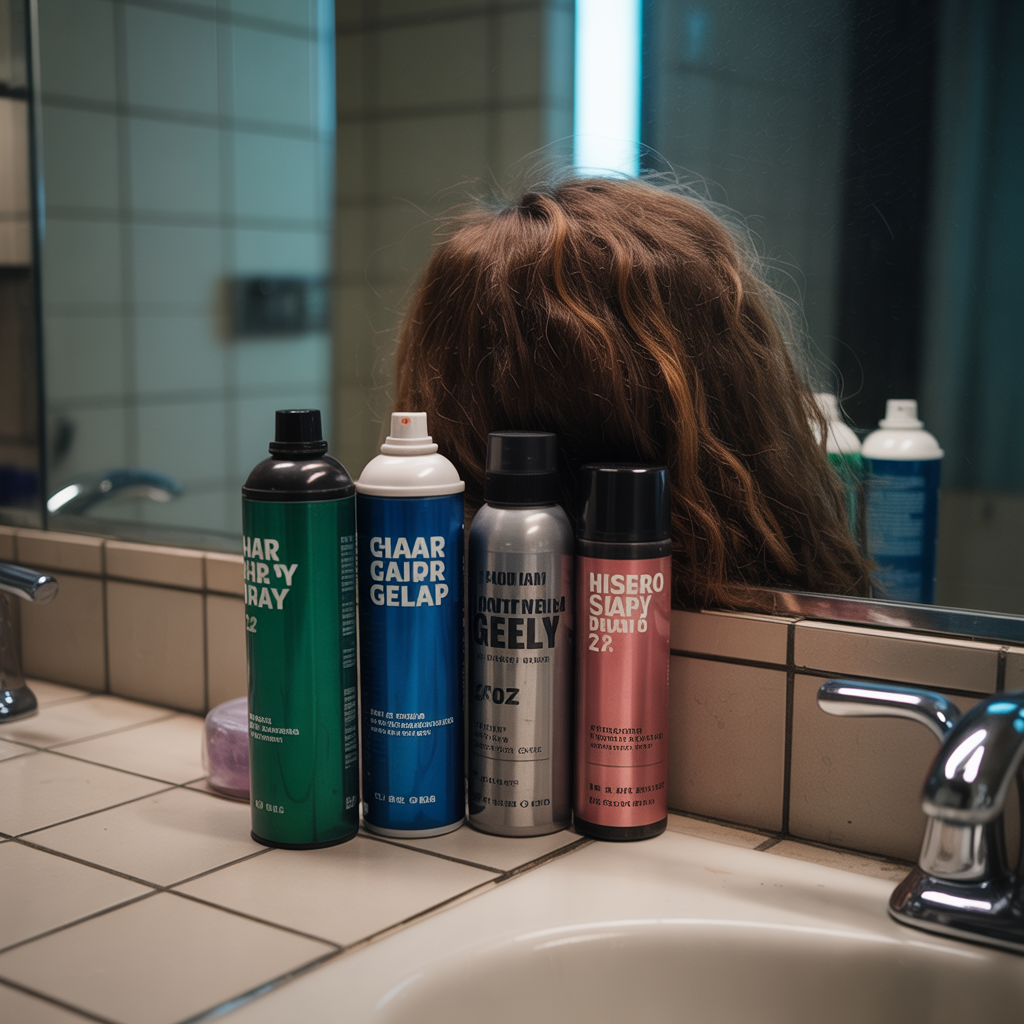
Some products do more harm than good. Alcohol-heavy sprays, cheap gels, and silicone build-up can make hair look even drier. People ask why does hair dry frizzy while unknowingly sabotaging it with the wrong formulas. Lightweight creams, natural oils, and water-based moisturizers are better choices.
Hard Water Damage
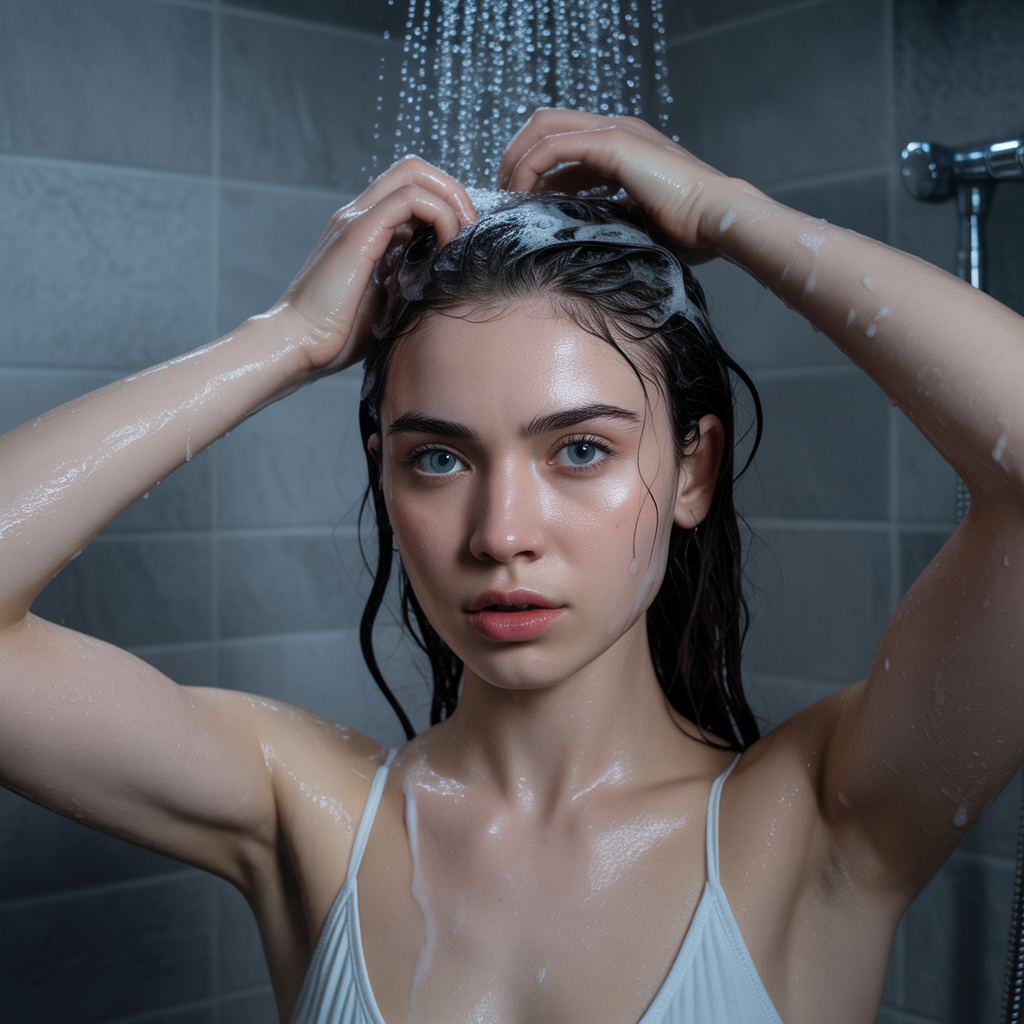
Mineral buildup from hard water coats the hair shaft and prevents proper moisture absorption. This buildup leaves hair brittle, rough, and unmanageable. If you keep asking why does hair dry frizzy despite using good products, your water may be the hidden problem. A shower filter can be a game changer.
Visit here:how to keep bangs from splitting
Poor Diet and Nutrition
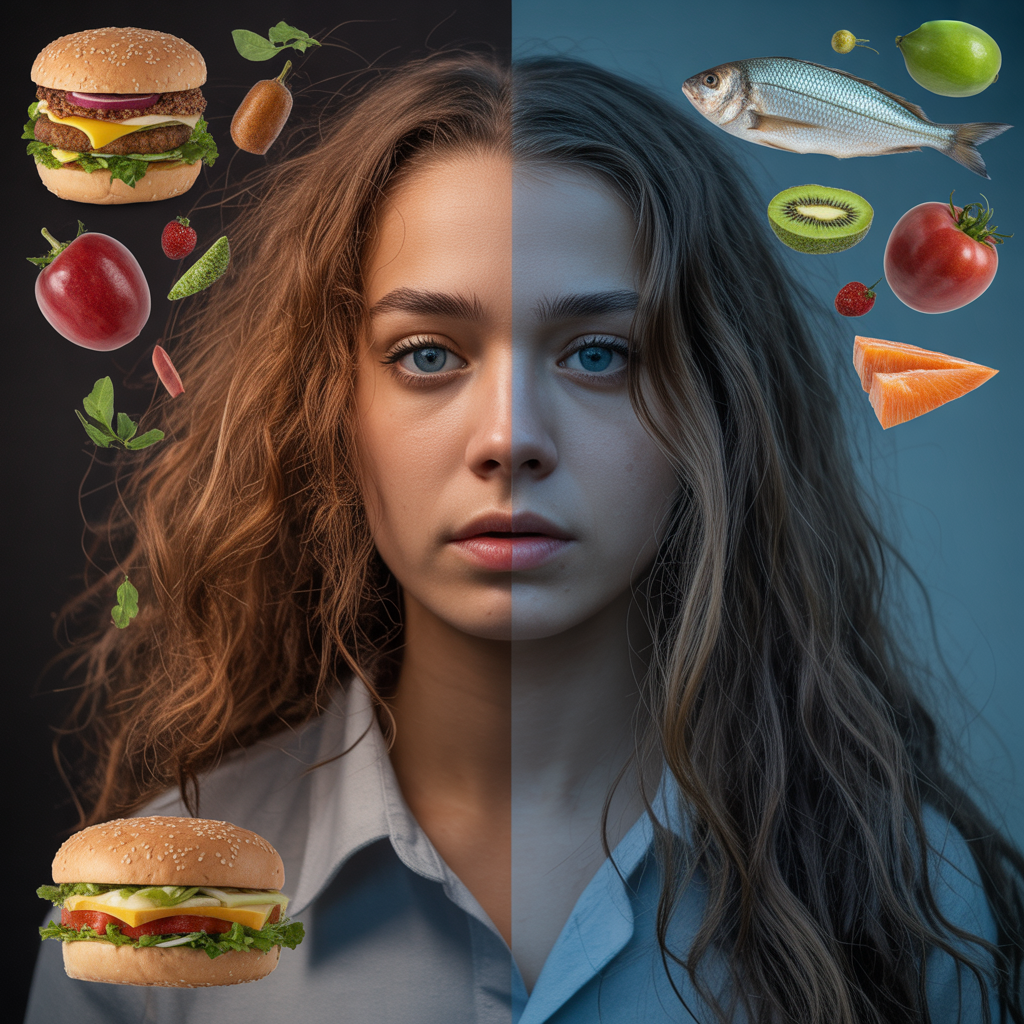
Hair health starts from within. Lack of essential fatty acids, protein, and vitamins weakens the hair structure. Many people puzzled by why does hair dry frizzy don’t realize diet plays a huge role. A nutrient-rich diet with omega-3s, lean protein, and hydration makes a visible difference in frizz control.
Overuse of Hair Brushes
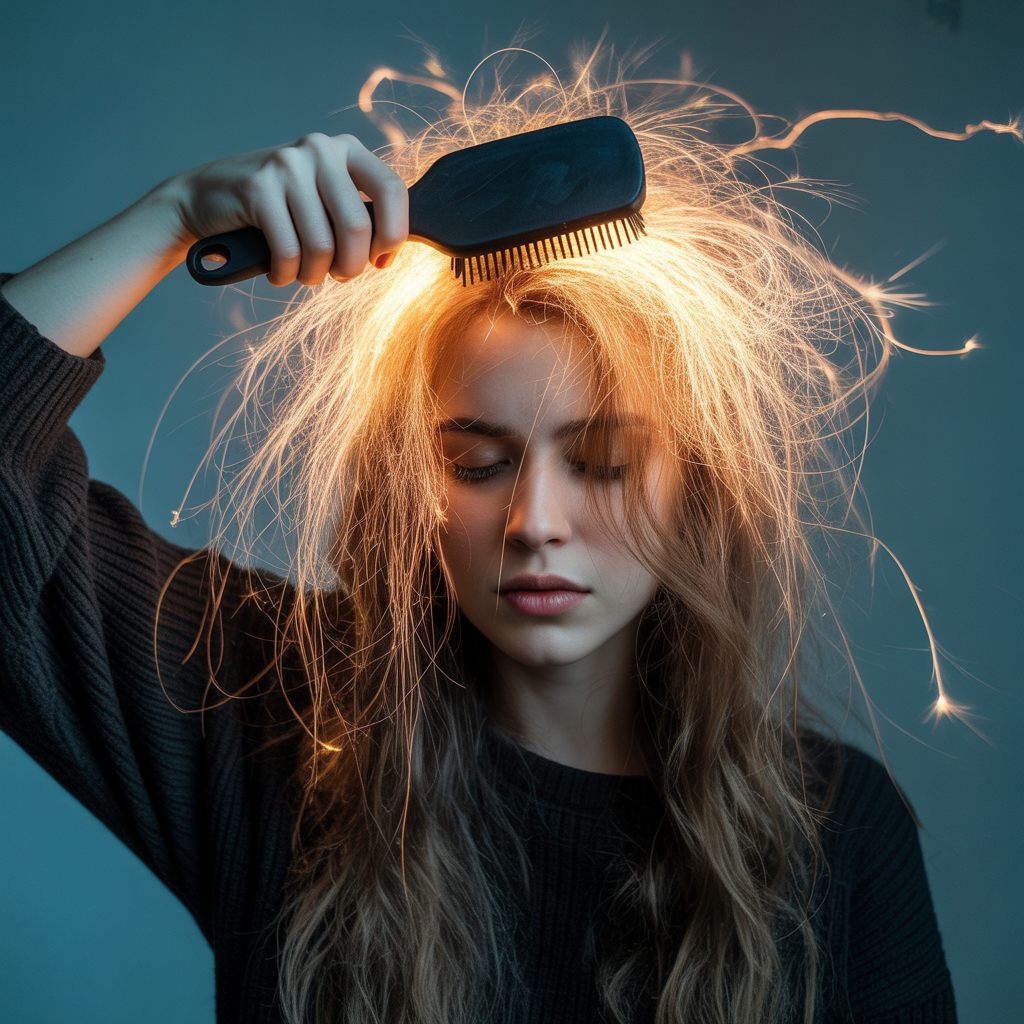
Excessive brushing disrupts the cuticle, creating static and frizz. Brushing dry hair too often lifts strands away from their natural pattern, making them appear rough. So when you ask why does hair dry frizzy, think about how often you’re brushing. Switch to wide-tooth combs and detangle gently.
Sleeping on Rough Fabrics
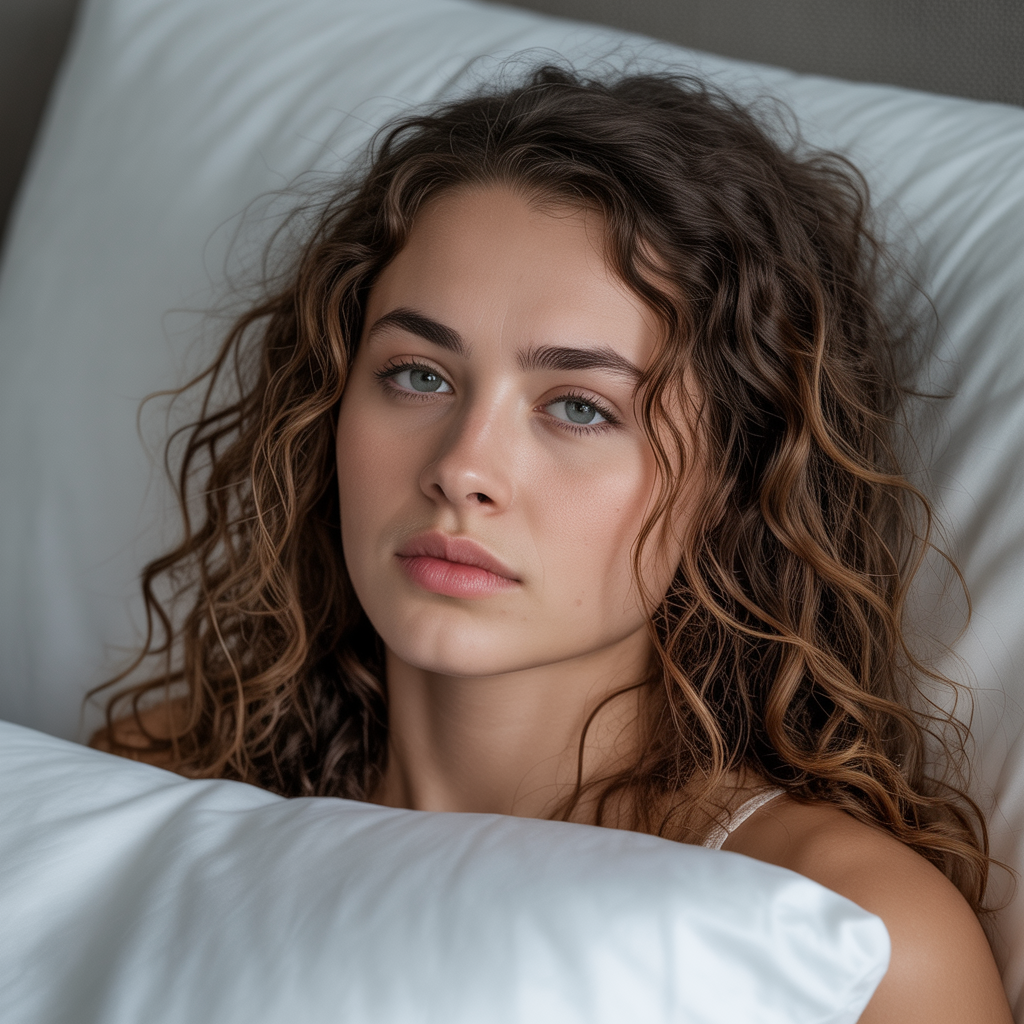
Cotton pillowcases soak up natural oils and cause friction, leading to frizz. Many people wake up wondering why does hair dry frizzy despite taking care of it during the day. Switching to silk or satin pillowcases helps reduce overnight friction and keeps hair smoother.
Skipping Hair Oils

Natural oils like argan, coconut, and jojoba act as shields against frizz. If you constantly ask why does hair dry frizzy, lack of oiling may be the answer. Oils nourish, seal in moisture, and smooth the cuticle—making them a reliable remedy for frizz-prone hair.
Hormonal Changes
Hormones affect scalp oil production, which in turn impacts frizz levels. During pregnancy, menopause, or even stress, many people ask why does my hair dry frizzy. Hormonal imbalance may dry out strands or make them coarser. Professional advice and a consistent care routine can help balance the effects.
Using Too Much Protein
Protein strengthens hair, but overloading it creates stiffness and dryness. This makes the cuticle brittle and prone to frizz. People searching why does my hair dry frizzy after protein treatments are often experiencing protein overload. Balancing protein with moisture is the key.
Neglecting Regular Trims
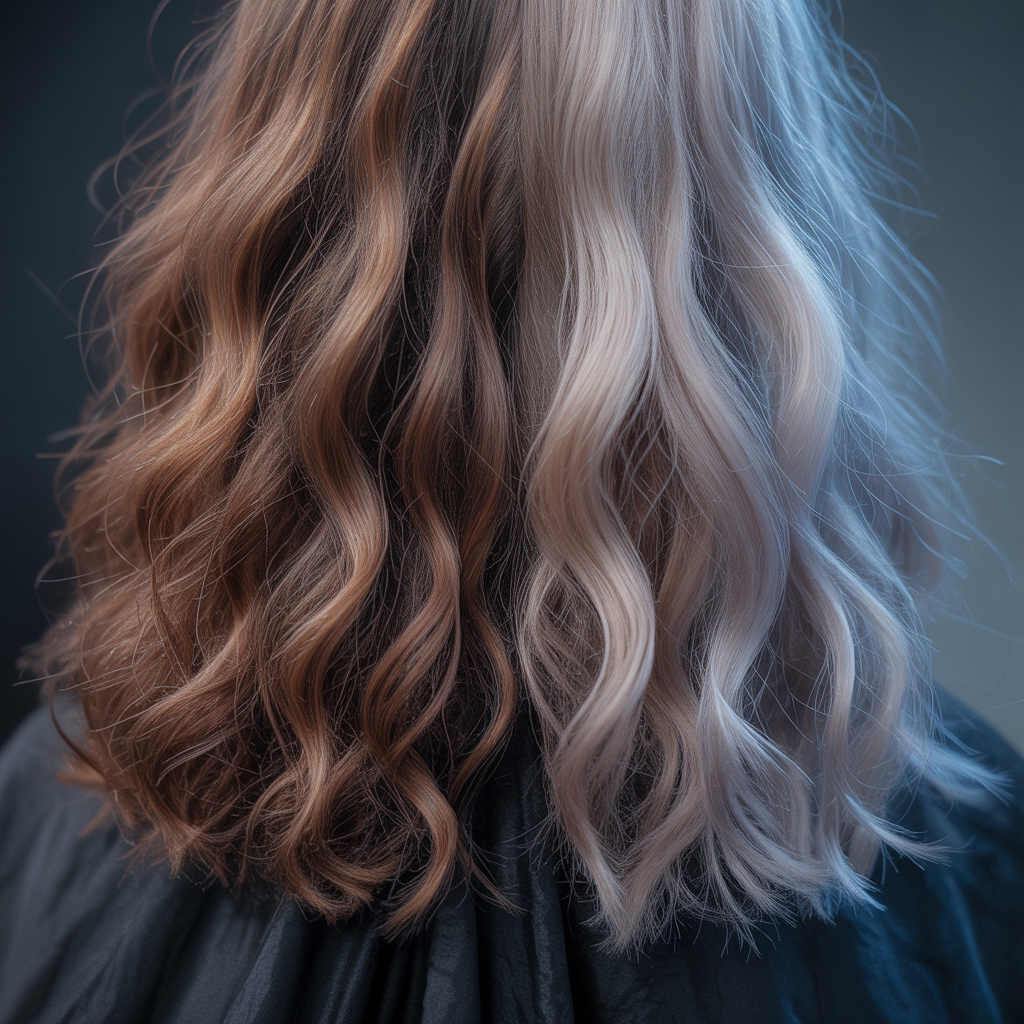
Long gaps between trims mean more split ends, breakage, and frizz. Those asking why does my hair dry frizzy often admit they haven’t trimmed in months. Regular trims every 8–12 weeks maintain healthier ends and reduce frizz significantly.
Weather Extremes
Cold winters, dry indoor heat, and blazing summers all stress the hair cuticle. Climate conditions are a hidden reason why many ask why does my hair dry frizzy. Protective styles, hats, and leave-in hydration can help combat environmental extremes.
Stress and Lifestyle
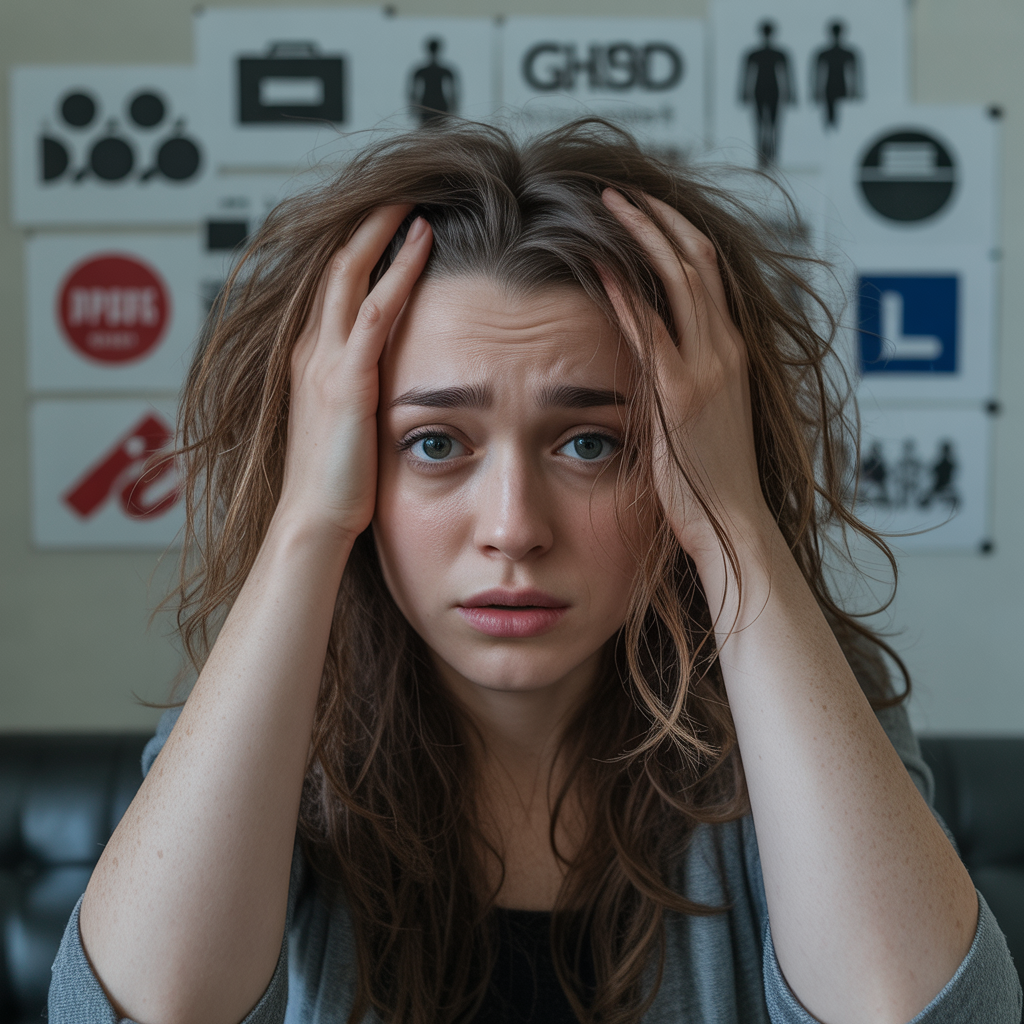
Stress alters hormone balance, affects diet, and impacts sleep—all of which affect hair. People under constant stress often wonder why does my hair dry frizzy. A healthy lifestyle with rest, hydration, and balanced routines makes a direct difference in reducing frizz.
Not Protecting Hair Outdoors

Sunlight, wind, and pollution all attack the cuticle, drying it out and making it frizz. Many people ask why does my hair dry frizzy after spending time outside without any protection. Using UV sprays, hats, or scarves can save hair from unnecessary stress.
FAQs
Why does my hair dry frizzy even after conditioning?
Conditioner may not be enough if your hair is damaged or exposed to harsh water. Deep treatments and leave-ins are often required for lasting results.
Why does my hair dry frizzy after coloring?
Hair dye lifts the cuticle, making it more porous and prone to dryness. Without proper aftercare, colored hair almost always turns frizzy.
Why does my hair dry frizzy in winter?
Cold air outside and heated indoor air both strip moisture. That’s why frizz gets worse in winter unless you increase hydration.
Why does my hair dry frizzy when I air dry it?
Air drying without protection leaves the cuticle exposed. Using a leave-in cream or oil before letting it dry can prevent frizz.
Why does my hair dry frizzy when I blow dry it?
High heat from blow drying removes natural moisture and roughens the cuticle. Using a diffuser and heat protectant can reduce damage.
Conclusion
Frizz doesn’t happen without a reason. If you’re constantly asking why does my hair dry frizzy, it’s usually a mix of lack of moisture, damaged cuticles, environmental stress, or lifestyle habits. The good news: frizz can be controlled. With consistent hydration, gentle handling, and the right products, your hair can stay smooth and manageable.