

30 Best Tips to Stop Sticky Hair After Washing Instantly
Having sticky hair after washing can be frustrating. You expect clean, soft strands, but instead, your hair feels heavy, oily, or coated. This problem is more common than most people realize and can be caused by product buildup, scalp imbalance, or even hard water. Let’s explore 30 detailed ideas to fix sticky hair and bring your locks back to life.
Clarify with a Detox Shampoo

Sometimes sticky hair after washed is caused by residue that normal shampoos can’t remove. A clarifying shampoo deeply cleanses the scalp and strands, eliminating stubborn buildup from styling products, silicones, or minerals in water. Use once a week to reset your hair.
Rinse with Apple Cider Vinegar
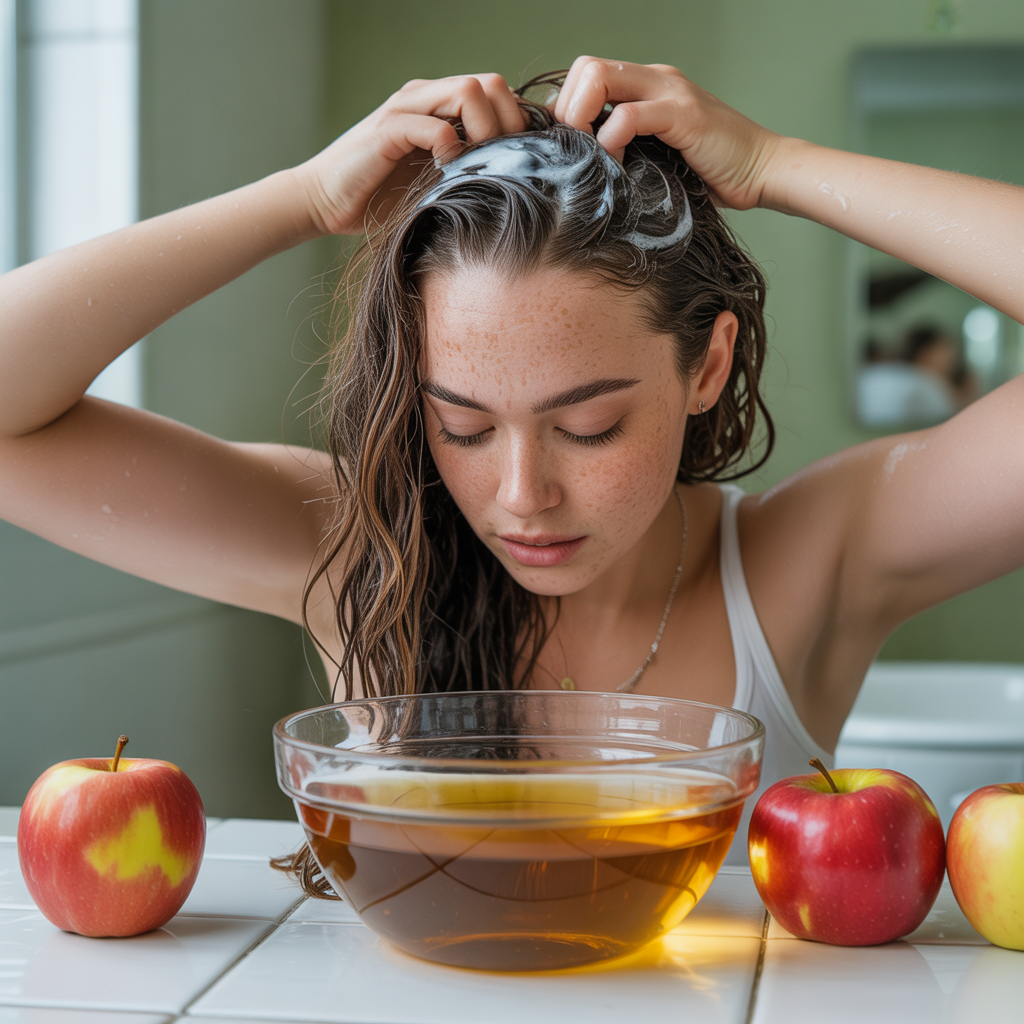
Apple cider vinegar is a natural remedy for sticked hair after washing. Its acidic nature helps balance scalp pH and removes leftover shampoo film. Dilute it with water and use as a final rinse to restore shine and softness.
Switch to Sulfate-Free Shampoo

Many people experience sticky hair after washed because sulfates strip natural oils too aggressively. The scalp overproduces oil to compensate, leaving hair heavy. A sulfate-free shampoo cleans gently without disrupting natural balance.
Wash Hair Less Frequently

Overwashing can backfire and lead to sticky hair washing. Shampooing daily strips protective oils, forcing the scalp to produce more. Washing every two to three days gives hair time to regulate naturally.
Check Your Conditioner

Using too much conditioner or applying it to the scalp often causes sticky hair after washed.Conditioners are designed for the mid-lengths and ends. Keeping it off the roots prevents heaviness and oiliness.
Avoid Silicone-Based Products

Silicones coat the hair shaft and may leave sticky residue after washing. Switching to silicone-free products allows your hair to breathe and avoids the waxy buildup that mimics greasiness.
Use Warm, Not Hot, Water
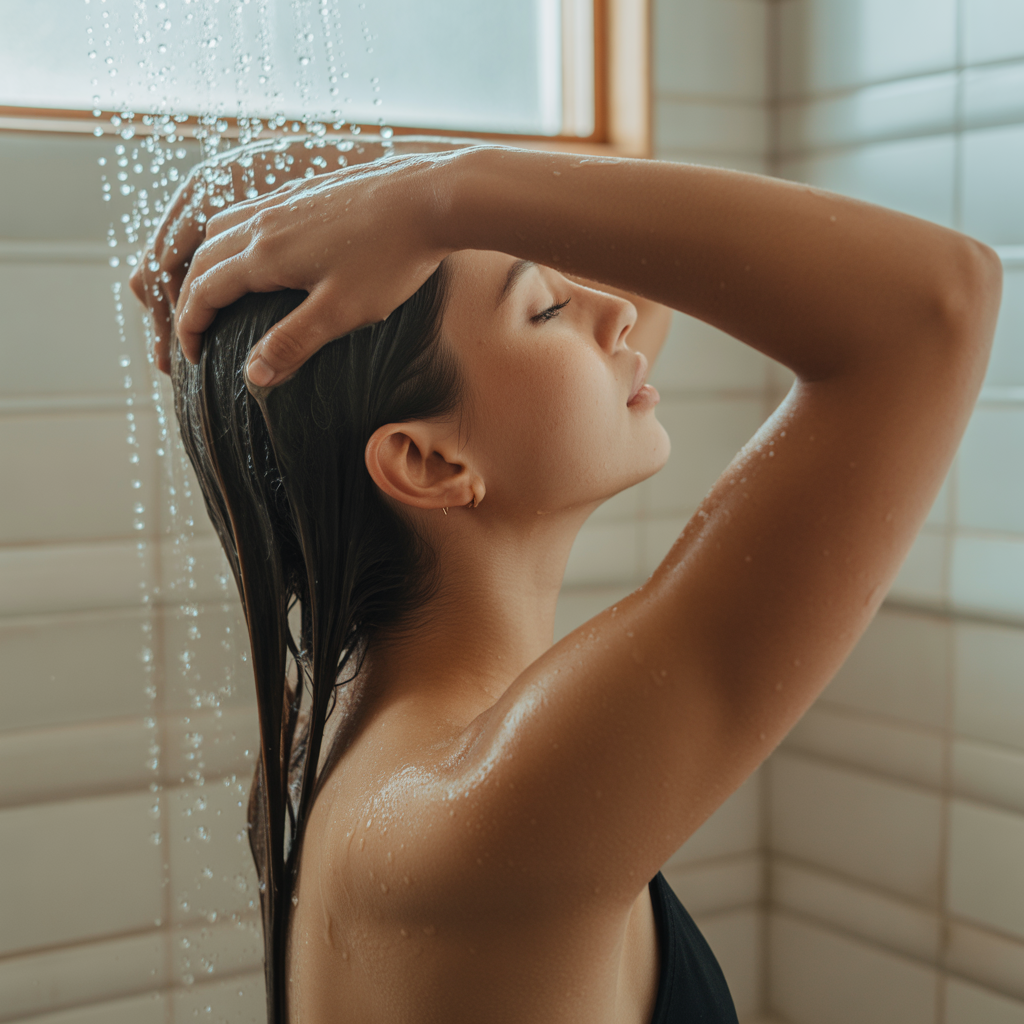
Hot water strips the scalp’s natural barrier and causes sticky hair. Warm water opens cuticles enough for cleaning but doesn’t trigger excessive oil production. Always finish with a cool rinse to lock in shine.
Double Shampoo for Deep Clean
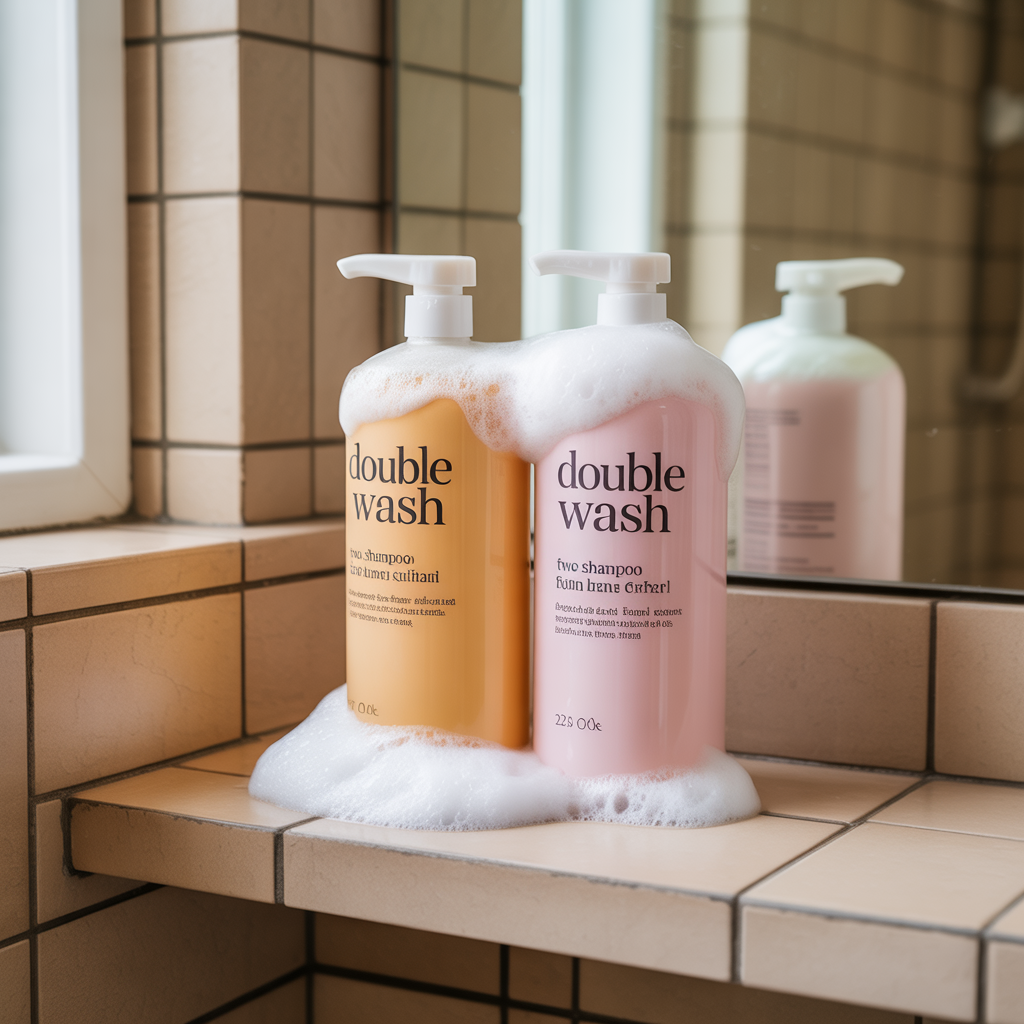
If your hair feels sticky even after a wash, try shampooing twice. The first wash breaks down oils and buildup, while the second removes it completely. This method ensures a thorough cleanse.
Visit here:how to grow edges back fast
Try Scalp Exfoliation

Dead skin and sebum can trap residue, leaving sticky hair after washed. Using a gentle scalp scrub once a week removes buildup and unclogs pores, allowing shampoo to work more effectively.
Eliminate Hard Water Minerals
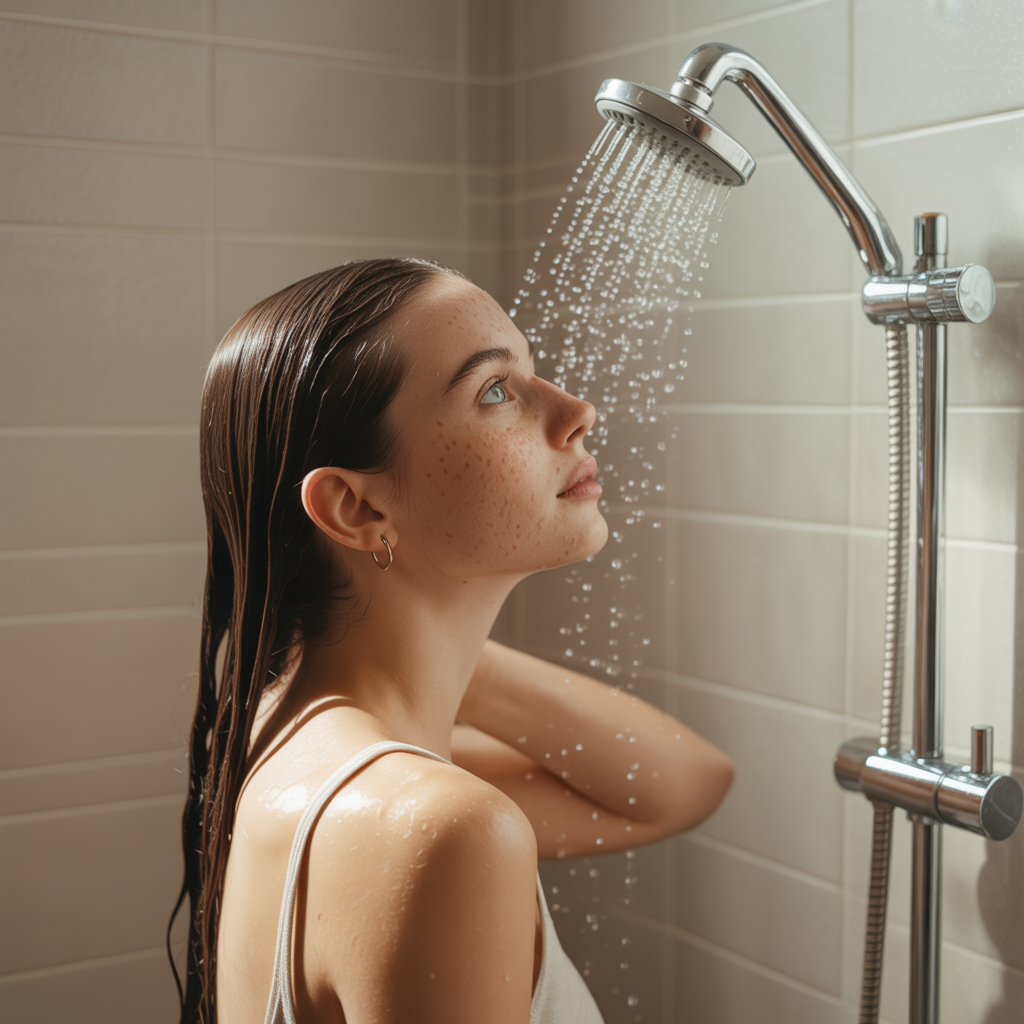
Hard water leaves calcium and magnesium deposits that make hair sticky after washing. Installing a shower filter softens the water, reducing mineral buildup and improving hair texture.
Change Your Towel-Drying Habit

Vigorously rubbing your hair with a towel can push leftover product deeper into strands, leading to sticky hair. Blot gently or use a microfiber towel to absorb excess water without friction.
Avoid Too Much Leave-In Cream
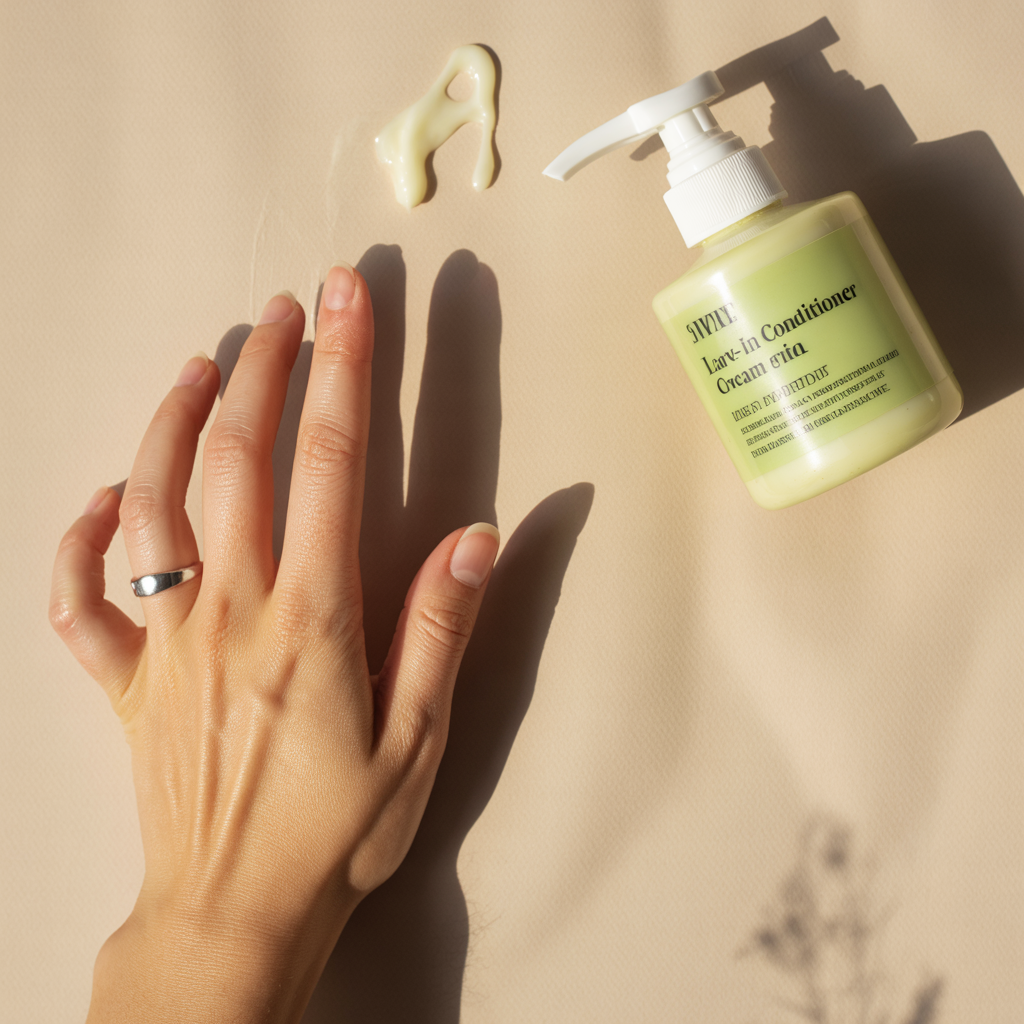
Heavy leave-in creams or oils may coat the hair, making it feel sticky after washing. Use lighter formulas or spray-based conditioners to maintain softness without residue.
Limit Dry Shampoo Use

Dry shampoo builds up over time, causing sticky hair after washing even when you cleanse. If you rely on it often, clarify weekly to prevent residue from sticking to your roots.
Wash with Less Shampoo
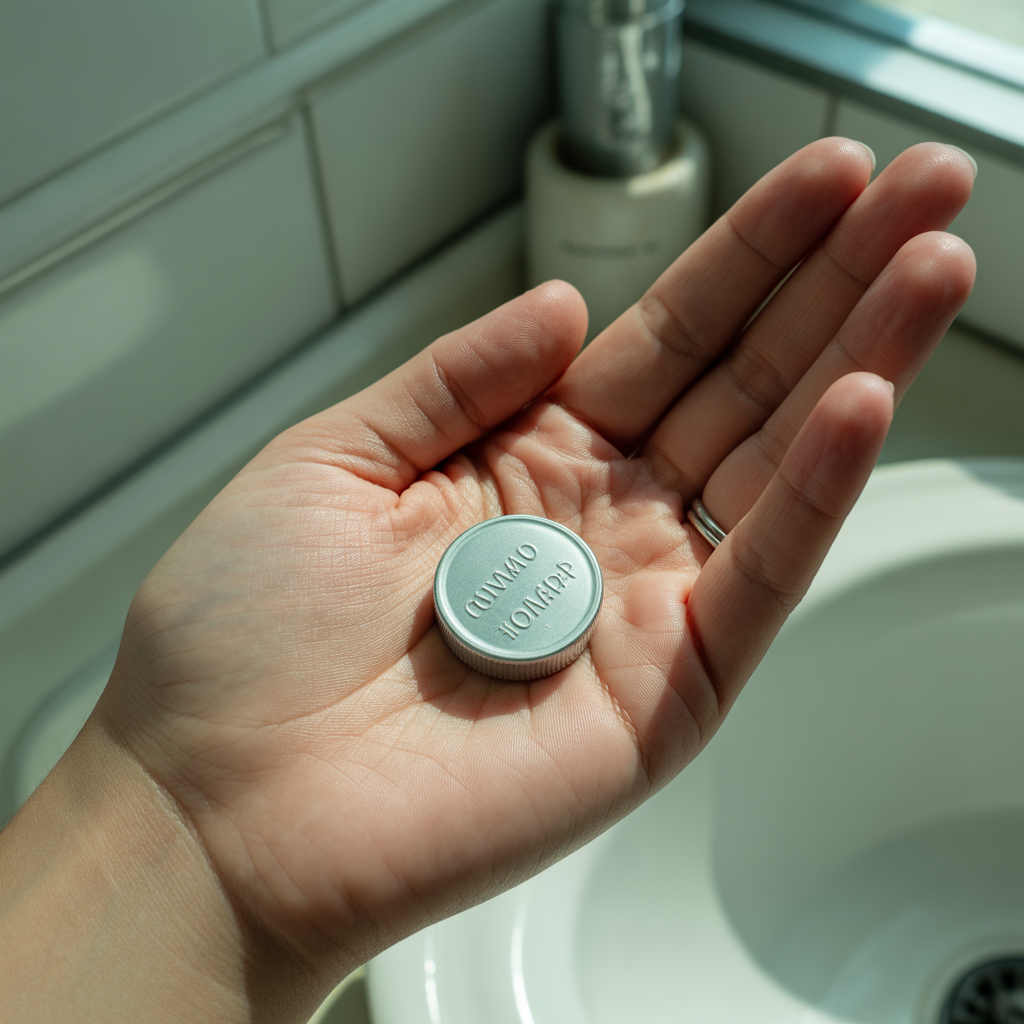
Sometimes sticky hair after washing happens because too much shampoo wasn’t rinsed out properly. Use only a small coin-sized amount, lather thoroughly, and rinse completely to avoid leftover film.
Focus on Rinsing Longer

Incomplete rinsing is a top reason for sticky hair after washing. Even if you feel clean, shampoo or conditioner can cling to strands. Spend extra time rinsing until water runs completely clear.
Try a Gentle Scalp Brush
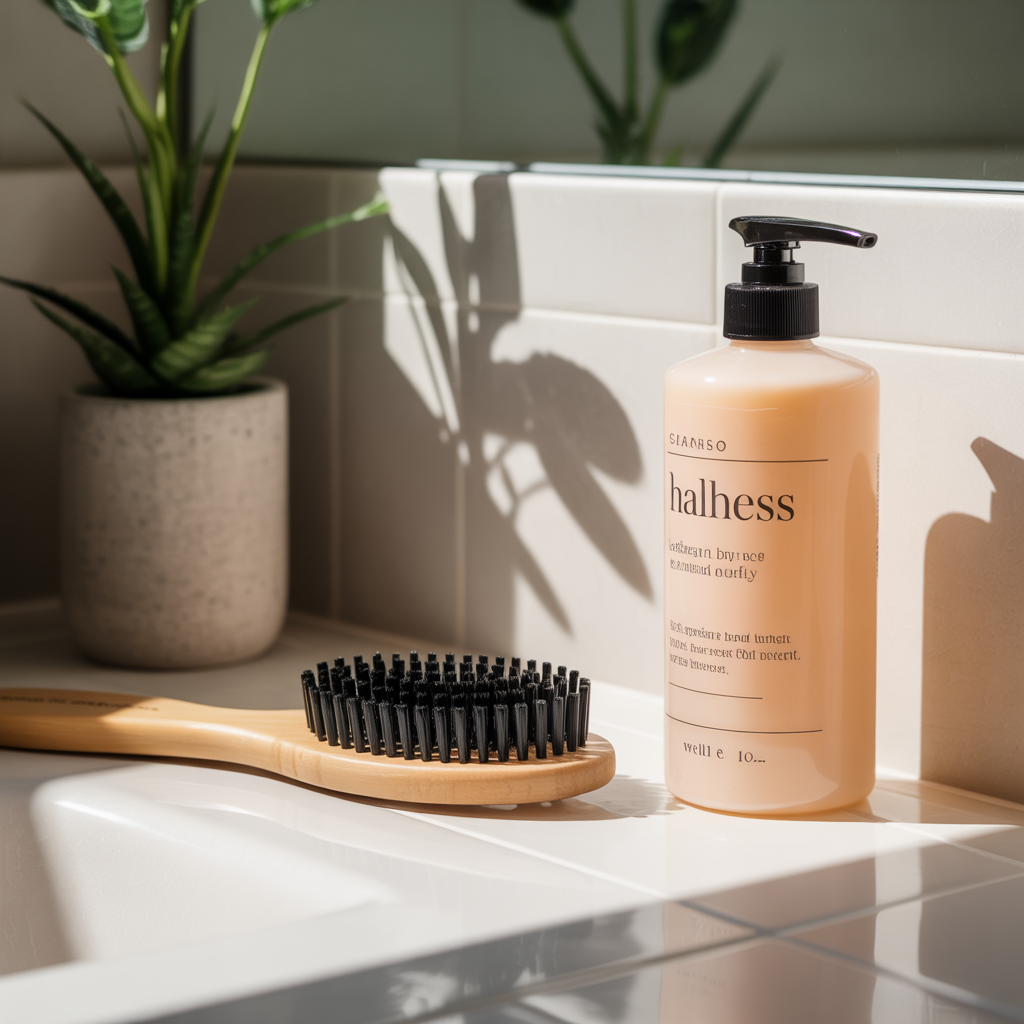
Scalp brushes help distribute shampoo evenly and lift away dirt that causes sticky hair. Massaging the scalp during cleansing boosts circulation and ensures deeper cleaning.
Adjust Your Diet

Oily, sticky hair can be linked to a diet high in processed fats. Eating more fresh vegetables, lean proteins, and omega-rich foods helps regulate sebum production naturally.
Avoid Heavy Styling Products
Waxes, pomades, and gels often stick to hair even after washing. Switching to lighter styling products reduces buildup and prevents sticky textures from forming.
Treat Scalp Fungus or Dandruff

Sometimes sticky hair is a symptom of fungal scalp issues. Medicated shampoos containing ketoconazole or zinc pyrithione can treat dandruff and balance scalp oil levels.
Rotate Shampoos Regularly

Using the same shampoo for months may cause product fatigue, where ingredients build up and cause sticky hair. Rotating between two or three shampoos prevents residue from settling.
Avoid Overconditioning
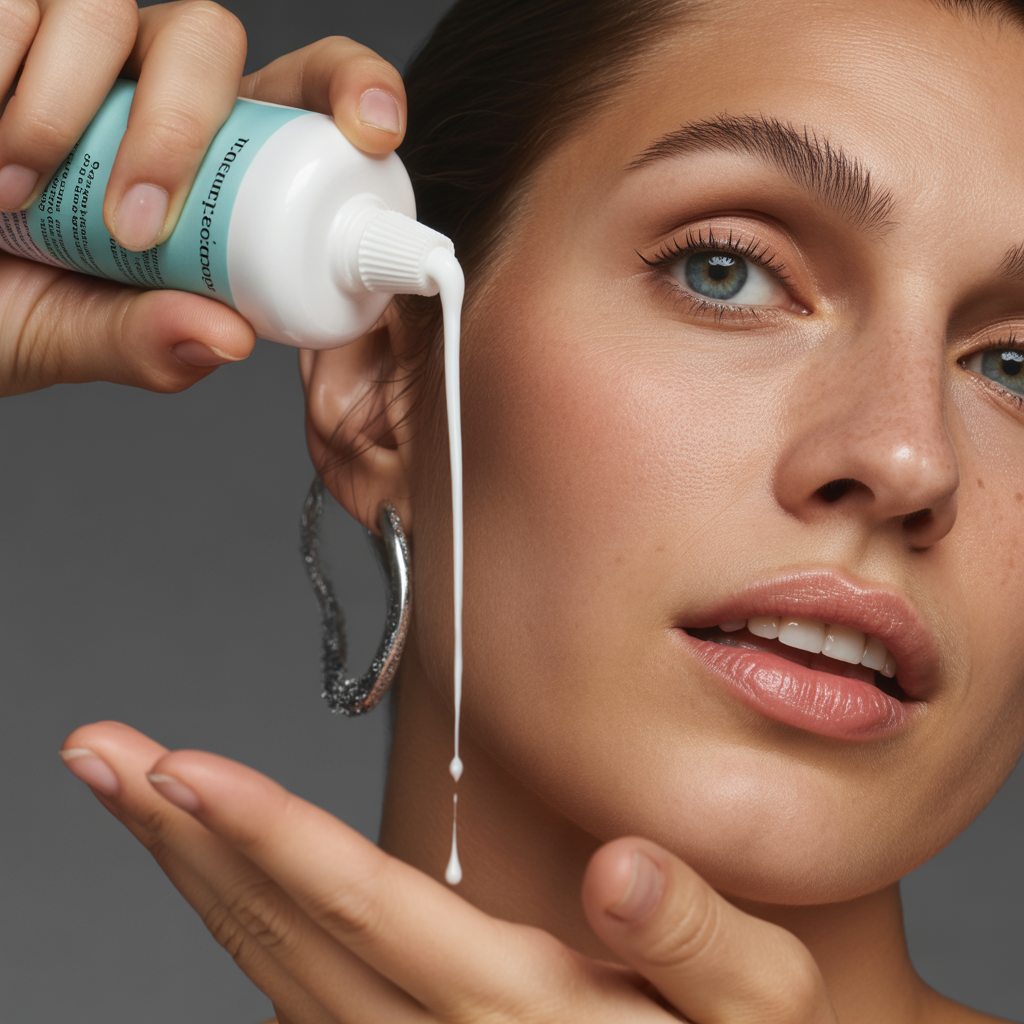
Applying conditioner daily or in large amounts can lead to sticky hair. Using it only when needed and in moderation helps maintain softness without weighing strands down.
Check Water Temperature in Showers
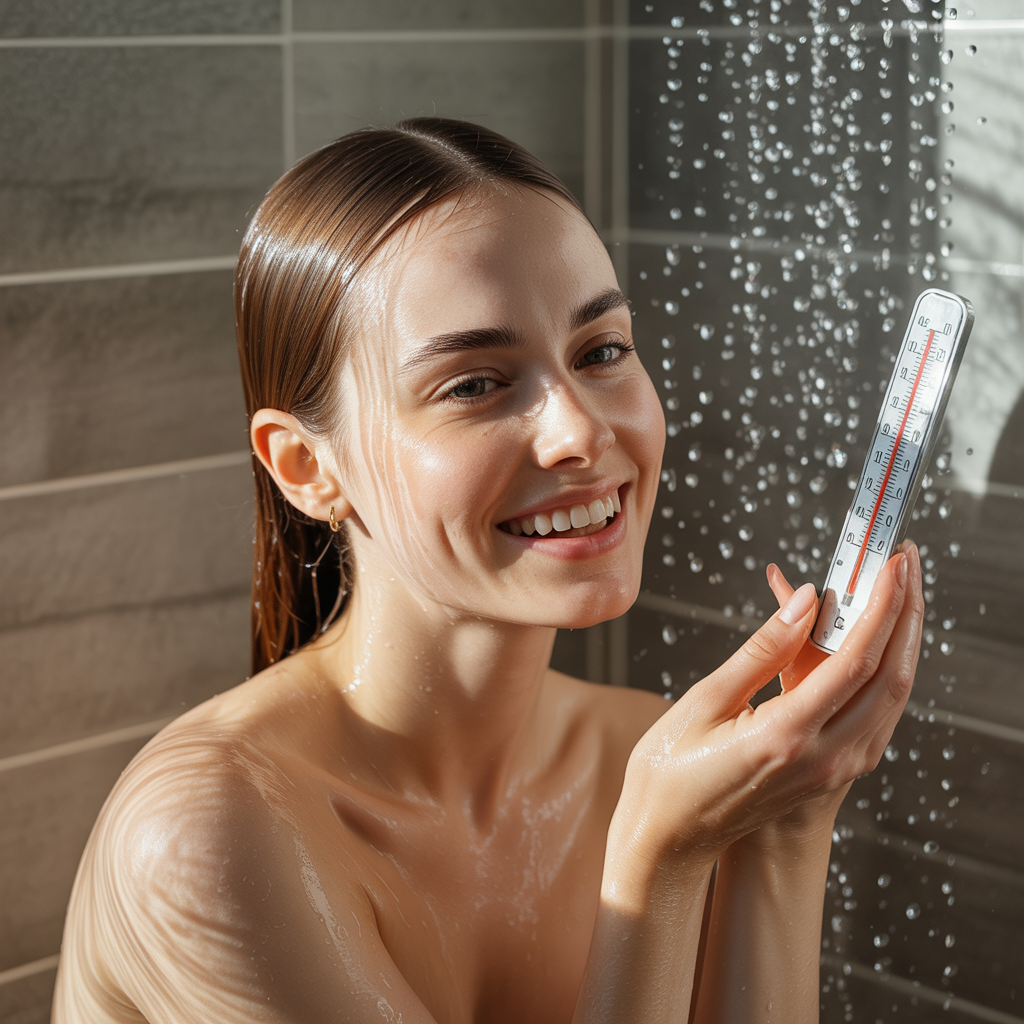
Cold water alone may not rinse shampoo effectively, leaving sticky residue after washing. Using lukewarm water first ensures proper cleansing before finishing with a cool rinse.
Consider Medical Causes

If sticky hair persists despite care, hormonal imbalance or scalp conditions may be at play. Consulting a dermatologist ensures underlying issues are addressed.
Clean Your Hair Tools

Dirty brushes and combs can redeposit oils and residue, causing sticky hair. Regularly washing your tools with warm water and mild soap keeps them clean and safe for use.
Avoid Touching Hair Frequently

Constantly touching your hair transfers oils from hands, leaving sticky hair. Training yourself to avoid this habit keeps strands fresher for longer.
Rethink Hair Oils

Heavy oils like coconut oil can sometimes remain sticky after washing. Switching to lighter oils like argan or jojoba ensures hydration without residue.
Limit Heat Styling
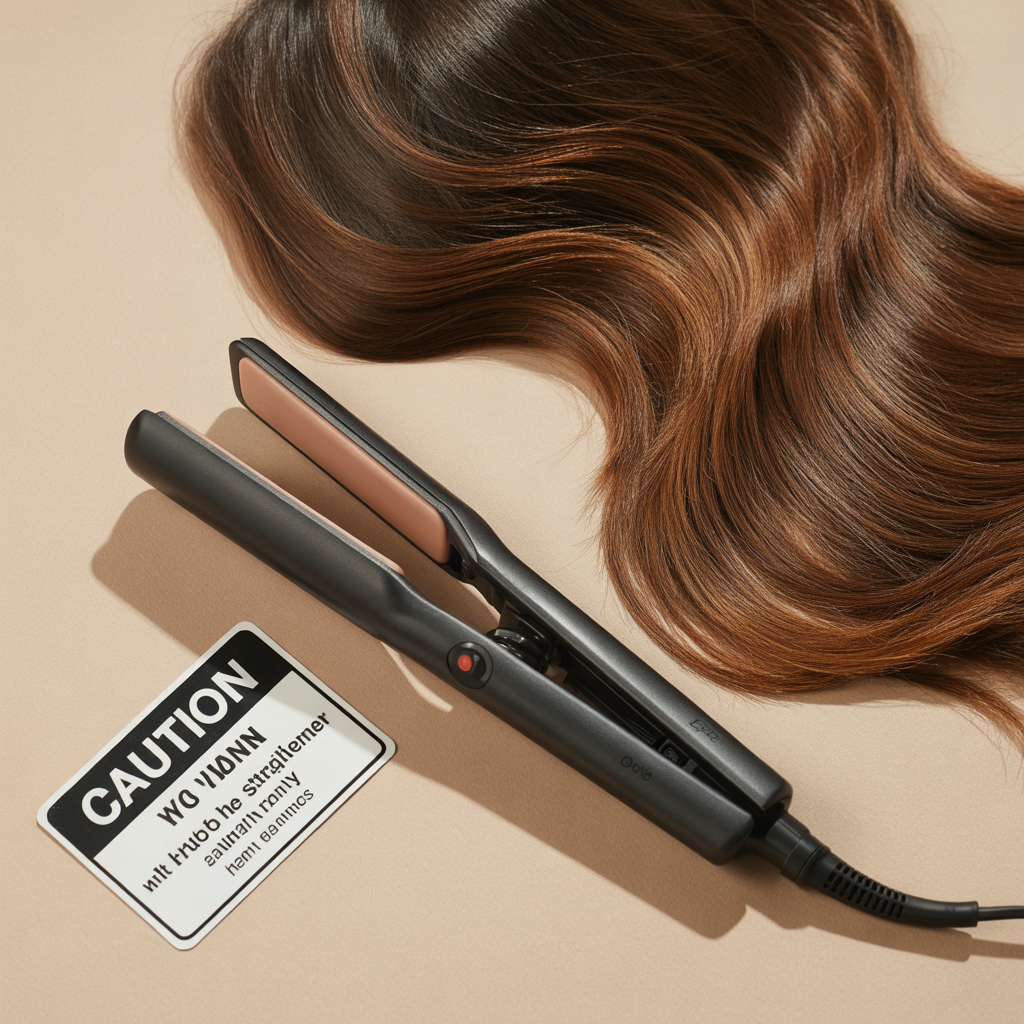
Excess heat can melt natural oils and styling products, making hair sticky after washing. Air drying or using heat protectant sprays helps prevent this problem.
Space Out Conditioning Treatments

Deep conditioners and masks are nourishing, but overuse leads to sticky hair after washing. Applying them once every one or two weeks is usually enough for most hair types.
Try Herbal Rinses

Natural rinses made from green tea, chamomile, or rosemary can refresh the scalp and reduce sticky hair after washing. They act as light tonics that don’t leave residue.
Monitor Hormonal Changes

Hormonal shifts, such as during puberty or pregnancy, can trigger sticky hair after washing. Knowing when your body is adjusting helps you adapt your hair care routine accordingly.
FAQs about Sticky Hair After Washing
Why does my hair still feel greasy after washing?
Sticky hair after washing is often caused by leftover product, scalp imbalance, or hard water residue. It may also result from overwashing, which increases oil production.
Can conditioner cause sticky hair?
Yes. Applying conditioner to the scalp or using too much can leave a waxy film, making hair sticky after washing. Apply only to the mid-lengths and ends.
Does hard water really make hair sticky?
Hard water contains minerals like calcium and magnesium that stick to hair even after rinsing, creating a sticky or coated feeling. A shower filter helps resolve this.
Is sticky hair after washing a medical problem?
Sometimes it can be. Scalp fungus, seborrheic dermatitis, or hormonal changes may cause sticky hair after washing. If it persists, consult a dermatologist.
What natural remedies fix sticky hair after washing?
Apple cider vinegar rinses, green tea washes, and scalp exfoliation are effective natural remedies that balance oil levels and reduce stickiness.
Conclusion
Sticky hair after washing is a problem rooted in scalp health, water quality, and hair care habits. From clarifying shampoos to scalp scrubs, natural rinses, and better product choices, you can restore freshness and softness. Identifying the cause is the first step, and once you adapt your routine, sticky hair becomes manageable. With the right adjustments, you’ll enjoy hair that feels truly clean after every wash.


