

16 Identifying Signs of Hair Shedding vs Hair Loss for Healthy Hair
Understanding the difference between signs of hair shedding vs hair loss is essential for proper care and treatment. While both involve the thinning of strands, shedding is a natural part of the hair growth cycle, whereas hair loss often signals an underlying issue. Recognizing subtle indicators early can prevent further damage and guide you toward effective solutions. This guide explores the key signs that separate temporary shedding from progressive loss and how to assess your scalp health accurately.Here is the 16 causes of signs of hair shedding vs hair loss.
Hair Appears Thinner After Washing

Many notice excess strands in the shower. Hair shedding usually results in a small, temporary increase in loose strands after washing. Hair loss, however, shows progressive thinning and a lighter ponytail over time.
Excessive Strands on Pillow or Clothes

Finding hair on pillows or clothes can be normal if minimal. If the volume increases daily, it may indicate early signs of hair loss rather than routine shedding.
Scalp Visibility Becomes Noticeable
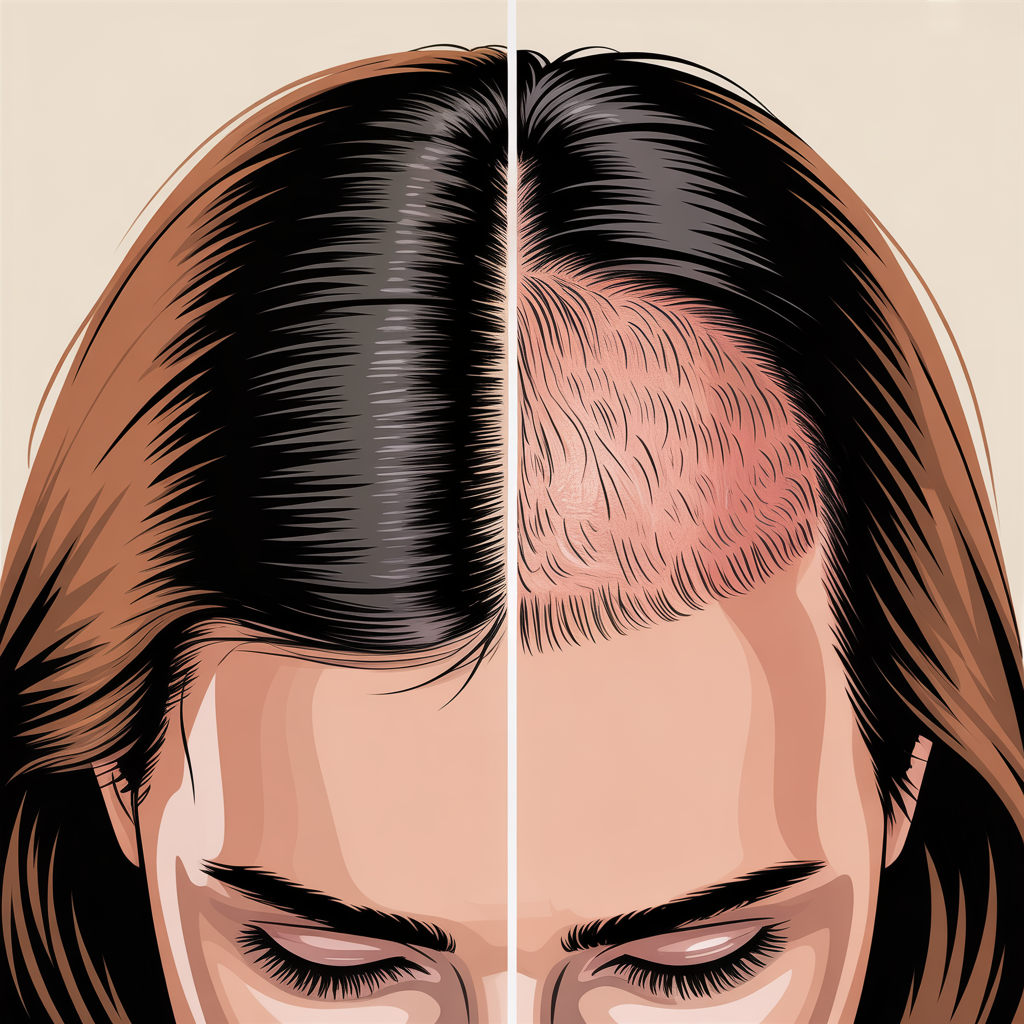
Shedding(signs of hair shedding vs hair loss) does not typically change scalp density. Hair loss creates visible scalp areas, particularly at the crown or along the part line, signaling follicle miniaturization.
Hair Breakage at Different Lengths

Shedding involves complete strands with bulbs attached. Hair loss often pairs with weak, brittle strands breaking mid-shaft, creating uneven lengths and reducing overall volume.
Gradual Thinning at the Hairline
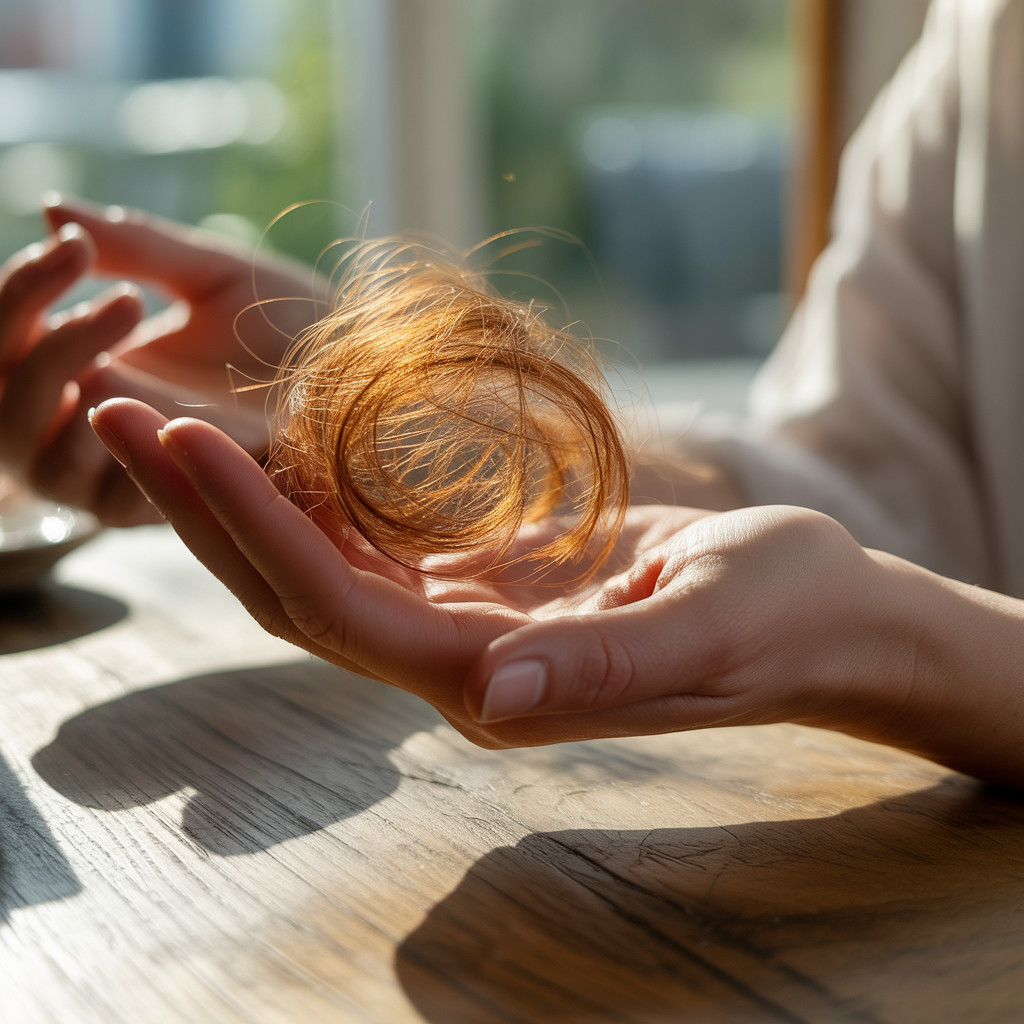
Shedding rarely causes changes in the hairline. When thinning or recession becomes visible, this leans toward hair loss, commonly from hormonal or genetic factors.
Sudden Increase After Stress or Illness

Temporary shedding often follows stress, illness, or dietary deficiencies. Hair usually regrows within months. Persistent fallout signals underlying hair loss patterns requiring medical review.
Reduced Volume Over Several Months

Natural shedding cycles should not cause noticeable volume loss. If hair becomes lighter or flatter over time, this points to progressive hair loss rather than temporary shedding.
Round Hair Bulbs on Fallen Strands

Examining strands helps distinguish between the two. Shedding shows round white bulbs at the root. Hair loss may lack bulbs or include thinning strands without intact roots.
Widening Hair Part Line
If your part appears wider than before, this is a sign of hair loss rather than shedding. It indicates decreased follicle activity and reduced density along the scalp.
Visit This lob for thin hair.
Patches of Missing Hair

Shedding spreads evenly across the scalp. Hair loss may create uneven patches or coin-sized bald spots, often signaling conditions like alopecia areata.
Increased Sensitivity or Itching on Scalp

Healthy shedding usually comes without discomfort. Itching, soreness, or tenderness often accompanies hair loss due to inflammation or scalp disorders.
Hair Growth Slows Noticeably
Hair shedding allows regrowth as part of a cycle. When new strands fail to replace lost ones, and growth slows significantly, hair loss becomes evident.
Hair Feels Lighter or Less Dense
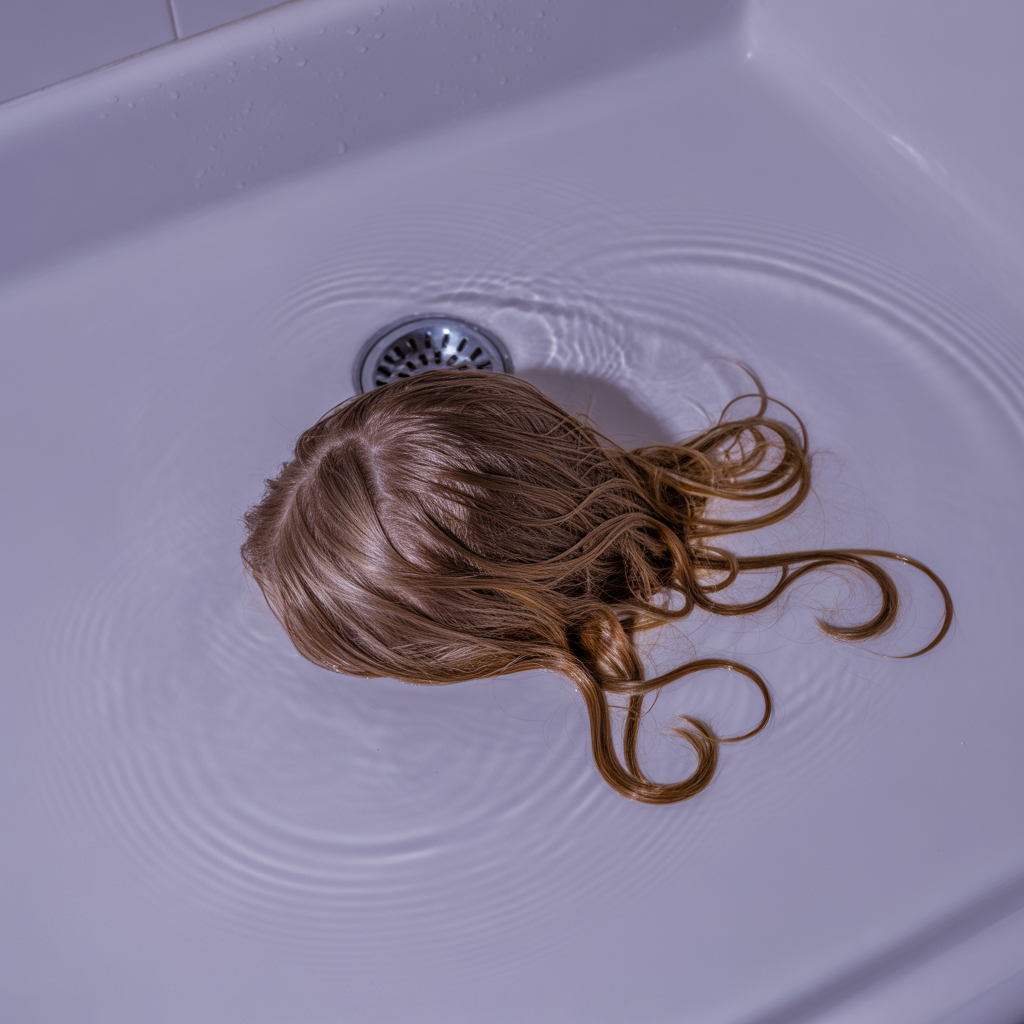
While shedding may temporarily reduce strand count, density quickly returns. Hair loss creates a long-term, noticeable decrease in weight and fullness.
More Hair in Brush Than Usual

Shedding usually leaves small amounts in a brush. Large clumps signal abnormal loss and a need for medical assessment or targeted hair therapy.
Shedding Persists Beyond Six Months

Temporary shedding rarely lasts beyond six months. Continued thinning past this point suggests a transition to permanent or chronic hair loss.
Hairline or Crown Appears See-Through

If scalp visibility extends beyond normal part lines or becomes noticeable at the crown, this strongly suggests hair loss rather than routine shedding.
FAQs Of Signs Of Hair Shedding vs Hair Loss
How can I tell if my hair fall is temporary or permanent?
Temporary shedding resolves within months and does not lead to visible thinning, while permanent loss shows progressive scalp exposure.
Is daily hair shedding normal?
Yes. Losing 50–100 strands daily is part of the natural cycle. Anything significantly beyond this may signal hair loss.
Can stress cause hair loss?
Severe stress can trigger shedding known as telogen effluvium. Chronic stress, however, may lead to long-term thinning or loss.
Do bulbs at the root mean healthy shedding?
Yes. Fallen strands with white bulbs usually indicate normal shedding, while hair loss often involves thinner, weakened strands without bulbs.
When should I see a specialist?
If thinning persists for six months, or you notice patches or widening parts, consult a dermatologist or trichologist for proper evaluation.
Conclusion
Differentiating signs of hair shedding vs hair loss requires attention to scalp changes, density, and growth patterns over time. Shedding is often temporary, but hair loss needs proactive care and sometimes medical intervention.
Final Thoughts Of Signs of hair Shedding vs Hair Loss
Early recognition allows for timely treatment and potential reversal of thinning. Track changes, examine strands, and seek expert advice when in doubt. Healthy hair begins with accurate observation and swift action.


