

30 Expert Tips on How to Stop Hair Breakage at the Crown Naturally
Hair breakage at the crown is one of the most frustrating hair problems. The crown takes the brunt of brushing, styling, heat, and environmental exposure. Once hair begins snapping in that area, it creates uneven lengths, thinner spots, and an unpolished look. The good news: breakage at the crown can be stopped with targeted changes to routine, products, and overall care. Below are thirty(how to stop hair breakage at the crown) proven strategies to restore crown strength and prevent further damage.
Switch to a Sulfate-Free Shampoo
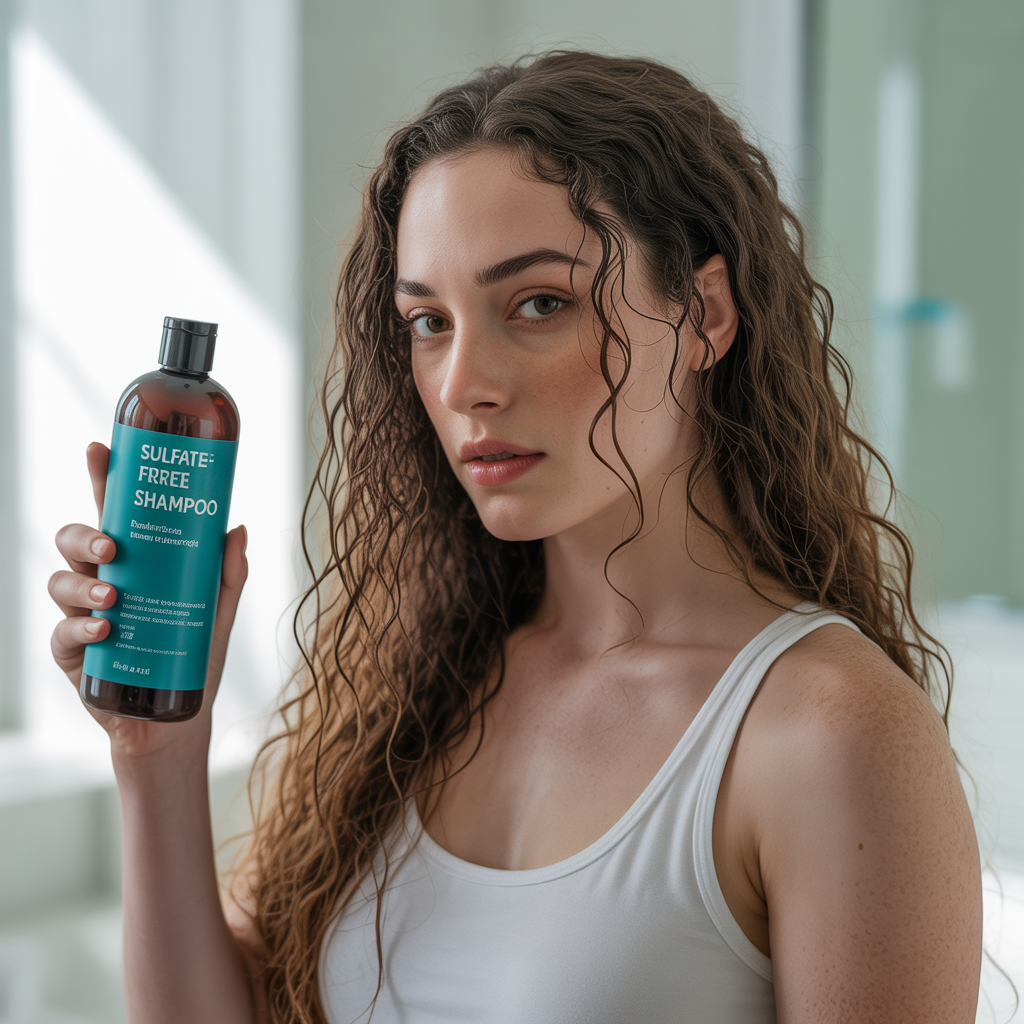
Sulfates strip the scalp and crown of natural oils, leaving hair brittle. A sulfate-free shampoo cleans gently without robbing strands of moisture, reducing breakage at the crown over time.
Deep Condition Weekly

Hydration is key to preventing crown breakage. A weekly deep conditioning treatment restores elasticity and resilience, helping the crown handle daily stress better.It is te second most ideas important for how to stop hair breakage at the crown.
Limit Heat Styling

Flat irons, curling irons, and blow dryers pull moisture from the crown, causing snapping and thinning. Reducing heat styling or using it sparingly protects fragile crown strands.
Apply Heat Protectant Spray

When heat is unavoidable, always apply a protectant spray. This shields the crown with a thermal barrier, preventing direct heat from breaking down the cuticle.
Use a Wide-Tooth Comb

Narrow combs pull and snap crown strands. A wide-tooth comb glides more gently through tangles, minimizing crown breakage after washing.
Sleep on a Satin Pillowcase

Cotton pillowcases absorb moisture and cause friction. Satin keeps crown strands smooth, cutting down breakage caused by tossing and turning.
Incorporate Protein Treatments
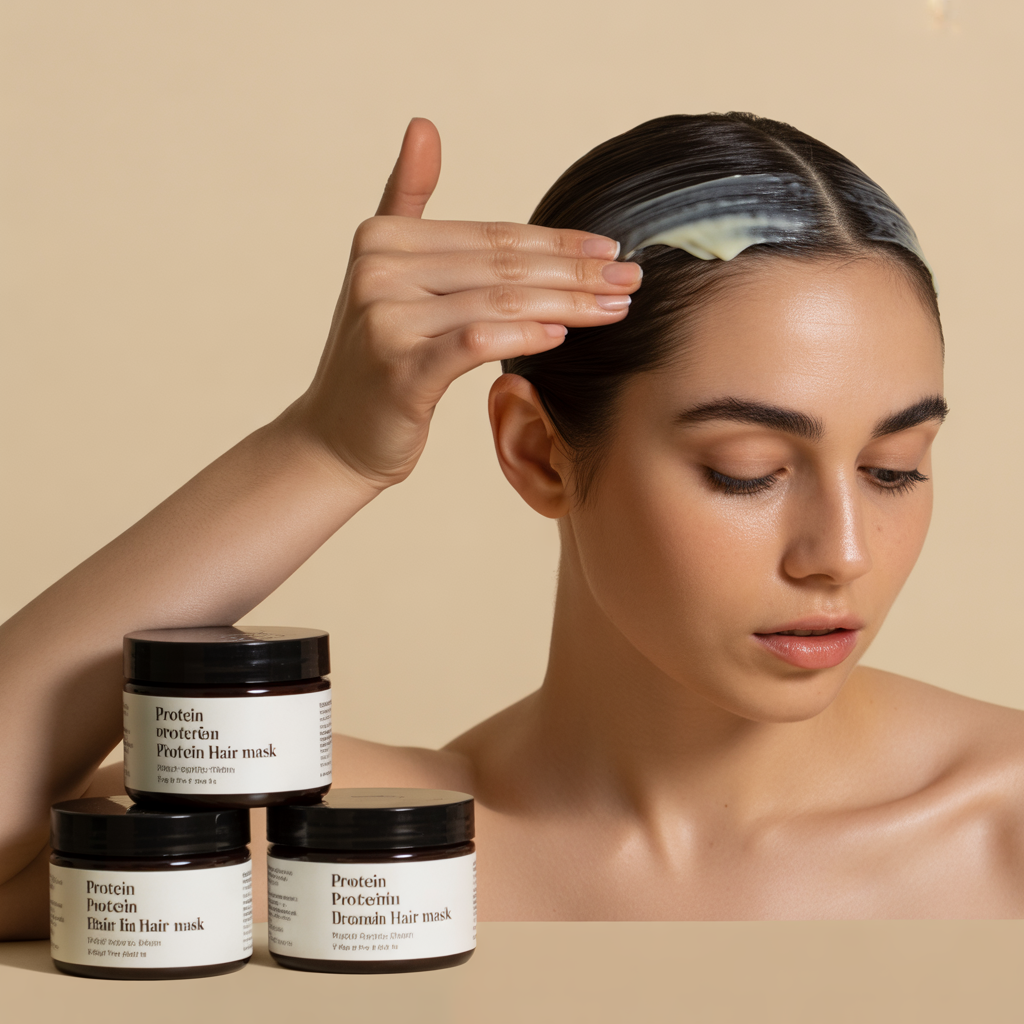
The crown needs strength as much as moisture. Protein treatments repair weak spots in the shaft, preventing snapping at the most vulnerable point—the crown.
Trim Split Ends Regularly

Split ends crawl upward and snap near the crown if left unchecked. Regular trims stop this spread, preserving length and health.
Visit here:how to make your hair hold a curl
Avoid Tight Hairstyles

Tight ponytails and buns put tension on the crown. Choosing looser styles prevents breakage from traction and stress.
Alternate Protective Styles

Long-term protective styles help, but keeping the same one too long can stress the crown. Alternating reduces strain and breakage.
Moisturize the Scalp

A dry scalp at the crown leads to brittle strands. Lightweight oils or leave-ins hydrate the scalp and prevent dryness-induced breakage.
Massage the Crown Area

Gentle scalp massage boosts circulation, delivering nutrients to the crown. Better blood flow means stronger strands less prone to snapping.It is the one of the most important for how to stop hair breakage at the crown.
Protect Hair from Sun Exposure

UV rays weaken hair fibers, especially at the crown where the sun hits first. Wearing hats or applying UV sprays reduces sun-related breakage.
Use a Microfiber Towel
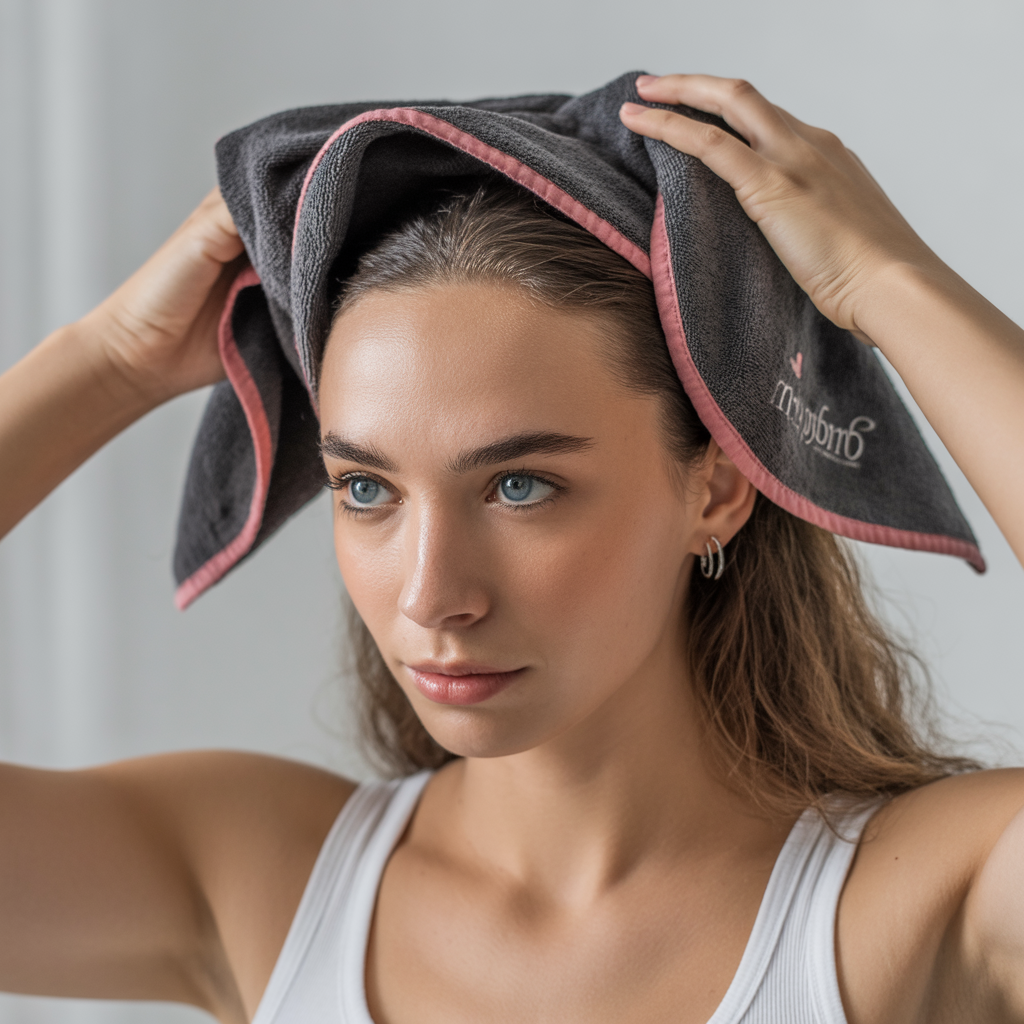
Traditional towels rough up cuticles and break crown strands. A microfiber towel absorbs water without friction, keeping hair intact.
Switch to Low-Manipulation Styles

The more you style the crown, the more stress it faces. Low-manipulation hairstyles give it a rest and reduce breakage risk.
Avoid Over-Washing

Daily washing strips oils from the crown, leaving strands dry. Washing two to three times a week retains natural moisture balance.
Balance Protein and Moisture
Too much protein makes hair stiff, while too much moisture weakens it. Striking a balance keeps crown strands flexible yet strong.
Be Gentle When Detangling

Rough detangling causes the crown to snap easily. Start at the ends and move up with patience to save delicate strands.
Avoid Chemical Overlap

Coloring or relaxing over previously treated crown hair causes instant breakage. Careful application prevents overprocessing.
Try Scalp-Friendly Oils

Natural oils like jojoba, argan, or almond oil reinforce crown strands and lubricate the scalp, preventing dryness and brittleness.
Adjust Diet for Hair Strength

Nutrients like protein, iron, and omega-3s are crucial. A balanced diet strengthens strands from the inside, reducing breakage at the crown.
Hydrate Consistently

Dehydration shows up in dry, weak hair. Drinking enough water keeps crown strands hydrated from root to tip.
Avoid Over-Brushing

Brushing too often wears down crown fibers. Limit brushing to what’s necessary and use soft-bristle brushes.
Use Leave-In Conditioners

Leave-in products provide constant hydration and protection for crown strands, making them less likely to snap during the day.
Protect Hair During Workouts

Sweat and friction from headbands damage the crown. Wearing moisture-wicking wraps protects strands during exercise.
Choose Gentle Hair Accessories

Metal clips and rough elastics snag crown hair. Opt for fabric scrunchies or seamless clips to reduce breakage.
Space Out Chemical Treatments

Processing hair too frequently weakens the crown. Give at least 6–8 weeks between relaxers, colors, or perms.
Avoid Direct Heat on Crown While Drying

Blow-dryers concentrated on the crown cause it to dry out first. Use medium heat and keep the dryer moving to avoid damage.
Regularly Clarify Build-Up

Product build-up suffocates strands and leads to weak crown hair. Monthly clarifying keeps follicles clear and strands light.
Be Patient with Growth

Rushing hair care with aggressive styling, over-manipulation, or shortcuts worsens breakage. Patience allows the crown to recover naturally.
FAQs on How to Stop Hair Breakage at the Crown
Why does hair break most at the crown?
The crown is the highest point of the head, exposed to sun, heat, and constant friction. It also experiences tension from tight styles, making it more vulnerable.
How long does it take to repair crown breakage?
Repair depends on severity. With consistent care—moisture, protein balance, and protection—it may take 3–6 months to see stronger regrowth.
Can hair breakage at the crown be reversed?
Breakage itself cannot be reversed since snapped strands do not fuse back. But with prevention and healthy care, new growth can be stronger.
Should I stop using heat completely to protect the crown?
Eliminating heat is ideal, but if unavoidable, reduce frequency and always use protectants to minimize crown breakage.
Is crown breakage a sign of health problems?
Sometimes. Severe or sudden breakage can be linked to deficiencies in iron, protein, or stress-related issues. A medical check-up may be wise.
Conclusion Of How To Stop Hair Breakage at The Crown
Hair breakage at the crown is preventable and manageable with the right habits. From gentle detangling and moisture balance to reducing heat and chemical stress, every small change strengthens the crown area. Consistency is the most important step—hair will not repair overnight, but daily protection and care will ensure healthier growth and less snapping at the most visible point of your head. By following these thirty strategies, you can stop how to stop hair breakage at the crown hair’s resilience and shine.


