
16 Protective Guide on How to Sleep with Fine Hair Overnight
Fine hair is delicate and easily prone to tangling, frizz, and breakage. The way you care for your strands at night(how to sleep with fine hair) directly impacts how they look the next morning. Learning how to sleep with fine hair is more than just choosing the right pillowcase—it’s about building a routine that protects volume, prevents knots, and keeps strands strong. Here are sixteen powerful ideas(how to sleep with fine hair) to help you wake up with hair that feels fresh and manageable.
Using a Silk or Satin Pillowcase

Switching from cotton to silk or satin pillowcases makes a huge difference for fine hair. These smooth fabrics reduce friction while you sleep, preventing tangles and minimizing breakage. Unlike cotton, silk won’t absorb natural oils, allowing fine hair to retain its shine.
Braiding Hair Before Bed

Loose braids are an effective way to protect fine hair overnight. They prevent strands from rubbing together and reduce the chances of waking up with knots. Braids also help maintain soft waves, giving your hair a natural, effortless look in the morning.
Applying Lightweight Leave-In Conditioner
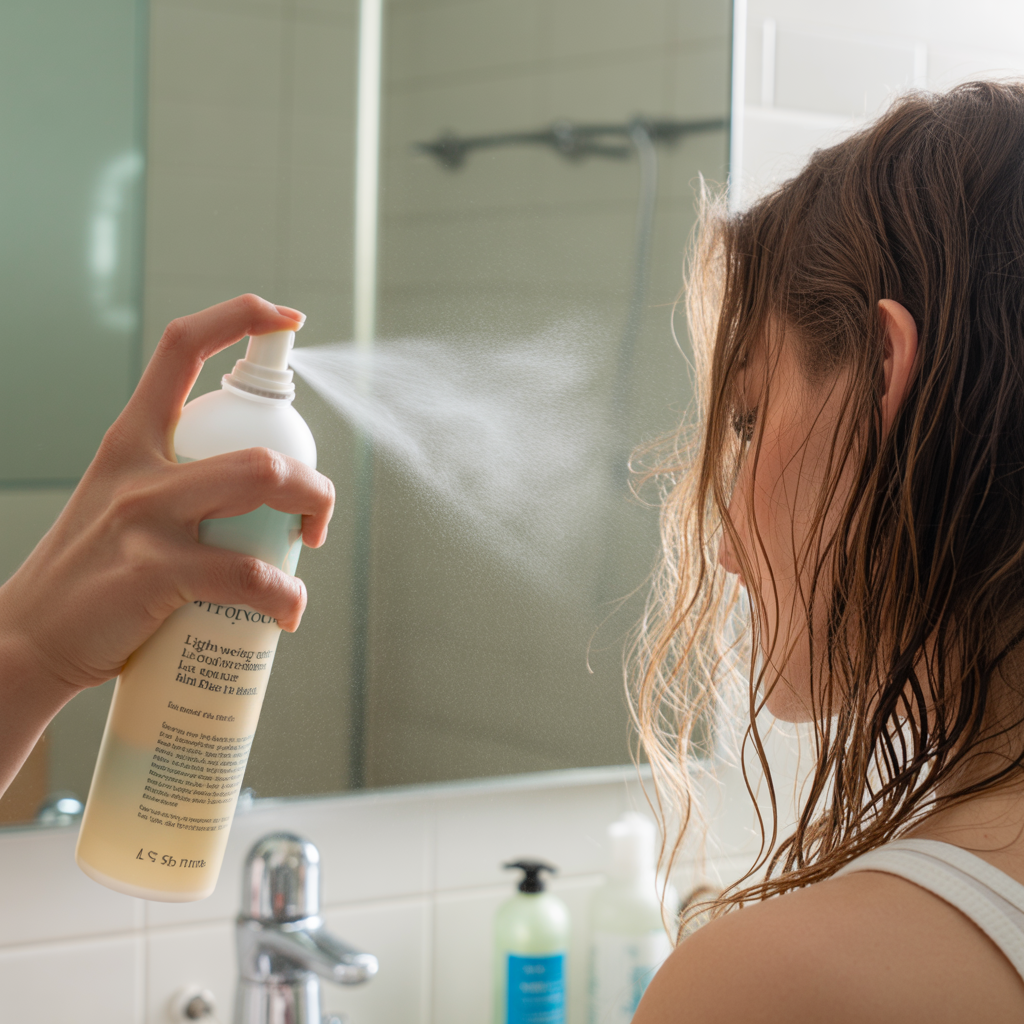
A small amount of leave-in conditioner keeps fine hair hydrated while preventing frizz. Choose lightweight, spray-based formulas that nourish without weighing strands down. Applying this before bed ensures your hair feels soft and manageable when you wake.
Sleeping with Hair in a Loose Bun

Gathering fine hair into a loose bun on top of your head reduces friction against the pillow. This protective style prevents tangling and helps maintain volume overnight. Using a soft scrunchie instead of a tight elastic avoids creases and breakage.
Avoiding Sleeping with Wet Hair

Sleeping on wet hair can damage fine strands, leading to tangles and flatness. Damp hair is more fragile and prone to breakage under the weight of your head. Let your hair air dry or use a cool blow-dryer setting before bed for healthier results.
Wrapping Hair in a Silk Scarf

A silk scarf is one of the oldest but most effective methods of protecting how to sleep with fine hair overnight. Wrapping your strands shields them from friction, maintains style, and reduces frizz. This method is especially helpful if you want to preserve curls or waves.
Choosing the Right Pillow Position

The way you position your head impacts your fine hair. Sleeping on your back reduces the amount of friction against the pillow compared to sleeping on your side or stomach. Less contact means fewer tangles and smoother strands by morning.
Scalp Massages Before Bed

A gentle scalp massage before sleeping promotes circulation and encourages healthy hair growth. For fine hair, this practice also helps distribute natural oils evenly. Using your fingertips, apply light pressure in circular motions to relax your scalp and strengthen roots.
Visit this hair routine for thin curly hair.
Applying Lightweight Hair Oils

Fine hair needs moisture but in small amounts. A drop of argan or jojoba oil applied to the ends prevents dryness and frizz. This treatment helps seal cuticles while keeping strands silky without flattening them.
Using Protective Hairstyles

Protective styles like loose twists or gentle ponytails help keep fine hair organized during sleep. These styles reduce breakage and prevent tangling while maintaining volume. Always use soft hair ties or scrunchies instead of elastics.
Refreshing Hair with Dry Shampoo Overnight

Applying a light mist of dry shampoo before sleeping can absorb excess oil and add volume to fine hair. This trick works especially well for those who want a fresher look in the morning without washing daily. Choose formulas designed for fine textures.
Sleeping with Hair Clips or Pins

Soft hair clips or pins can be used to secure sections of fine hair overnight. They keep strands in place, preventing tangling and preserving a polished look. Always choose smooth, padded clips that don’t leave dents.
Protecting Hair from Bedroom Environment

Humidity, dust, and even heating systems can affect fine hair at night. Using a humidifier in dry climates helps maintain hair hydration. Keeping your bedroom clean and ventilated ensures your strands stay healthier while you sleep.
Gentle Brushing Before Bed
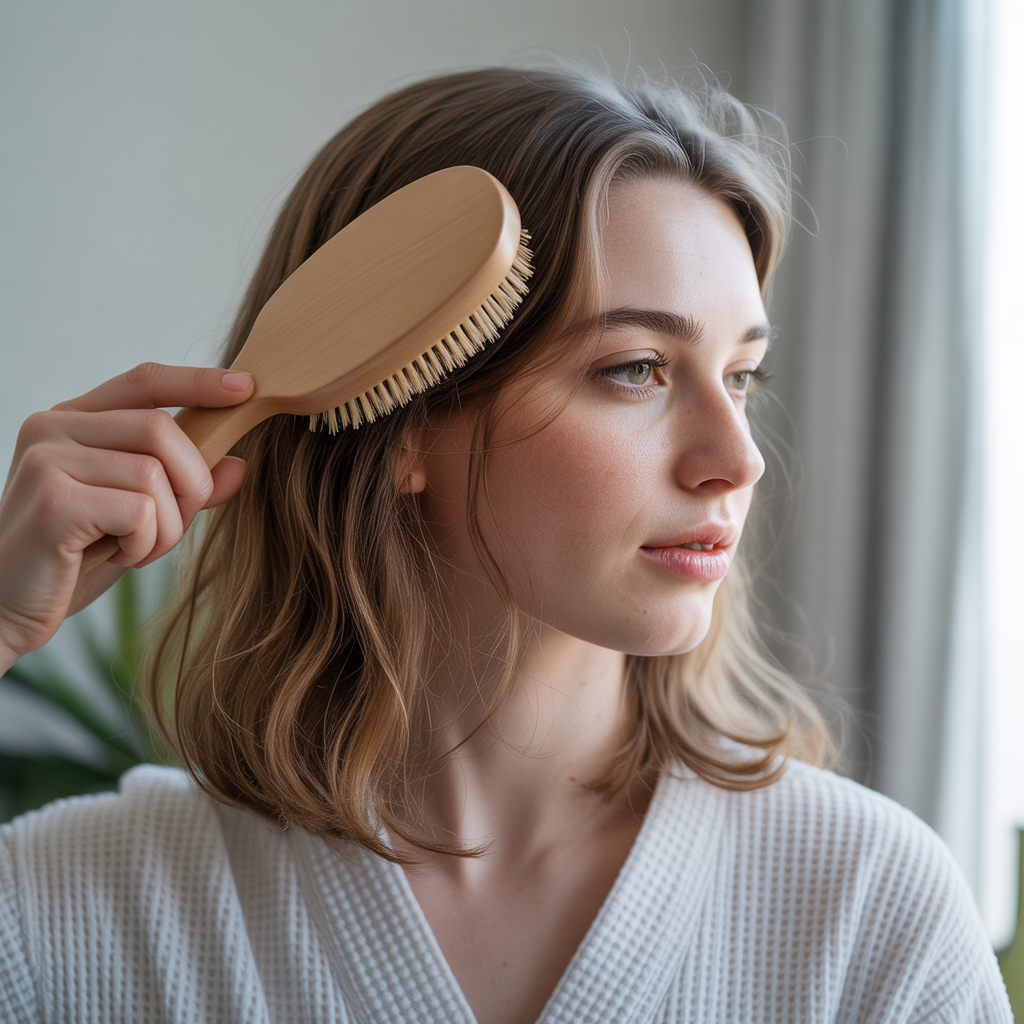
Brushing fine hair with a soft-bristle brush before sleeping helps remove tangles and distributes natural oils evenly. Avoid over-brushing, which can stress fragile strands. Just a few strokes are enough to keep hair smooth and ready for rest.
Maintaining Clean Bedding

Dirty pillowcases can transfer oil and dirt to fine hair, causing it to look flat and greasy. Washing pillowcases at least twice a week prevents buildup and keeps your strands fresher for longer. Clean bedding creates a healthier sleeping environment.
Avoiding Tight Hairstyles Overnight

Tight ponytails or braids pull on the scalp and weaken fine hair follicles. Sleeping with tight styles increases the risk of breakage and tension. Always choose loose, gentle styles that protect without straining your hair.
FAQs
Is silk better than satin for fine hair?
Yes, silk is more natural and less absorbent, making it ideal for reducing friction. Satin, however, is also effective and more budget-friendly.
Can I sleep with how to sleep with fine hair down?
You can, but it’s not recommended. Sleeping with hair down increases tangling and friction. Loose braids or buns are better for protecting fine strands.
How often should I oil fine hair at night?
Use lightweight oils only once or twice a week. Overusing oils can weigh fine hair down and make it look greasy.
Should I wash fine hair before bed?
Not necessarily. Washing every day can strip natural oils. Instead, wash two to three times a week and refresh with dry shampoo when needed.
Can sleeping position really affect fine hair?
Yes, back sleeping reduces pressure on hair and minimizes friction compared to side or stomach positions, helping prevent damage.
Conclusion
Knowing how to sleep with fine hair helps protect fragile strands from overnight damage. From silk pillowcases and protective styles to scalp massages and clean bedding, small changes in your nightly routine can make a big difference. Consistency is key for stronger, smoother, and more manageable hair.
Final Thoughts Of How to Sleep With Fine Hair
Fine hair needs protection not just during the day but also while you sleep. Building habits like wrapping hair in silk, using lightweight products, and avoiding tight styles creates long-term benefits. Treat your strands with care at night, and they will reward you with healthier, fuller-looking volume every morning.