25 Best Tips on How to Fix Orange Hair After Bleaching at Home DIY
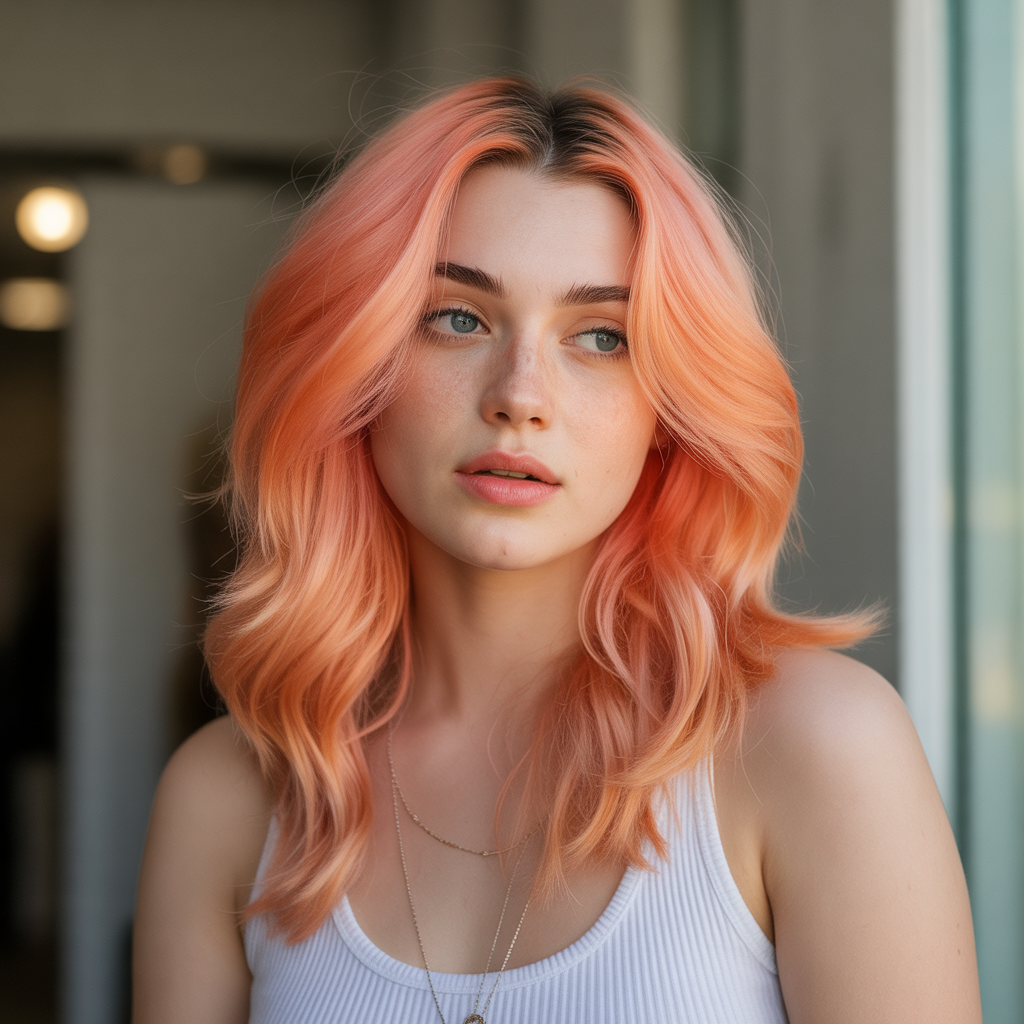
Bleaching can turn dark strands into bright tones, but the risk of orange hair is real. Many who try it at home end up staring at brassy shades instead of the blonde they wanted. Learning how to fix orange hair after bleaching at home is a skill every DIY hair enthusiast needs. Below are 25 solid ways(how to fix orange hair after bleaching at home) to restore balance and achieve the color you wanted, without wasting time or money.
Use Purple Shampoo

The fastest way to neutralize orange tones is purple shampoo. Purple pigments counteract warm hues and bring your shade closer to ash blonde. Make it a staple in your routine and watch the brass fade away.
Apply Blue Shampoo

If your hair leans toward reddish-orange, blue shampoo works better. It cools down copper tones and makes your color more balanced. Use it once or twice a week for steady results.
Try a Toner

Toner is a must when learning how to fix orange hair after bleaching at home. It’s designed to correct undertones and push your hair toward the shade you want. Pick an ash or silver toner to fight brassiness effectively.
Go For A Demi-Permanent Dye
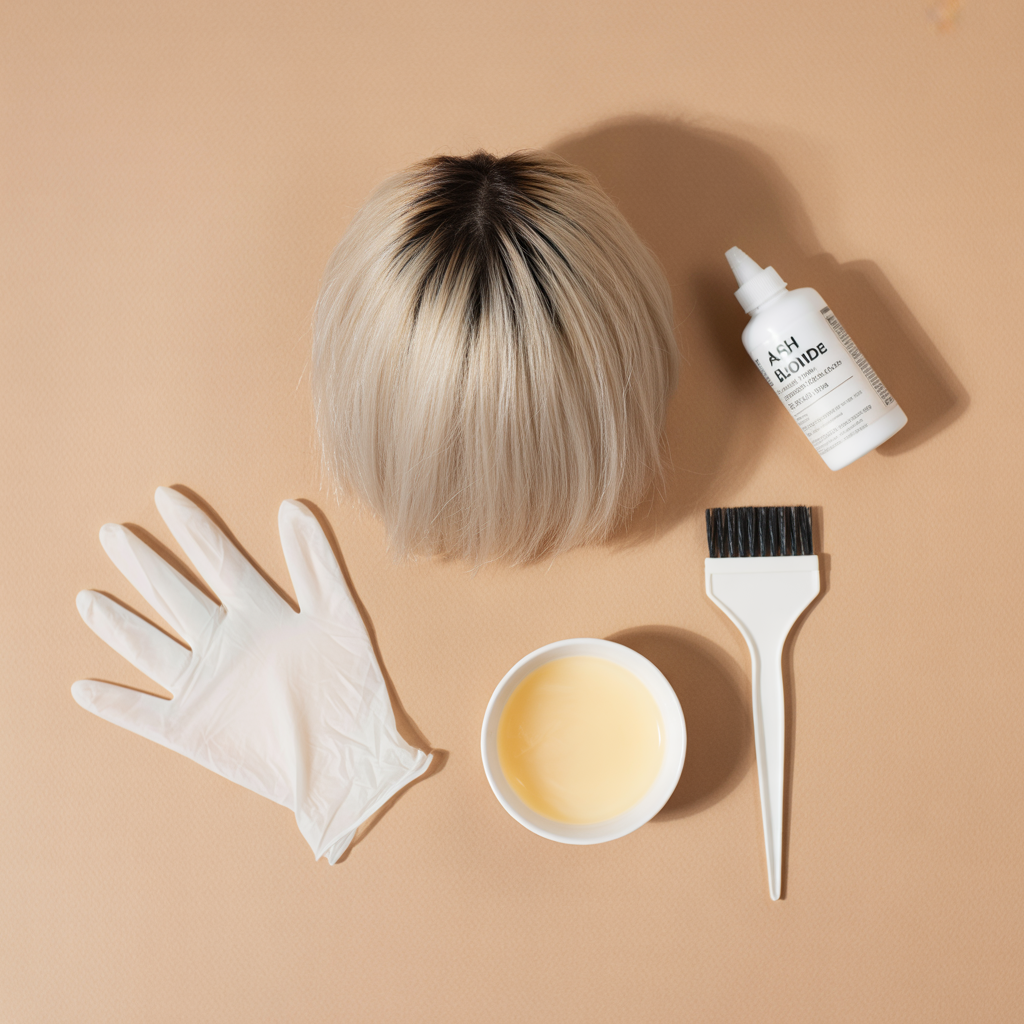
If toner alone doesn’t cut it, apply a demi-permanent ash blonde dye. It lasts longer and covers uneven spots. This method not only hides orange but also gives your hair a glossy finish.
Mix Conditioner With Purple Dye

Create your own DIY toning mask by mixing conditioner with a small amount of purple dye. Leave it on your hair for 10–15 minutes to let the pigments cancel brass. It’s a low-cost, effective fix.
Re-Bleach With Caution

Sometimes orange means the bleach didn’t lift enough. If your hair is healthy, re-bleach carefully. Target the darker zones, but never overdo it. Damaged hair can’t handle constant bleaching.
Use Color-Correcting Hair Masks

Color-depositing masks are a lifesaver. They hydrate while fixing tones. Pick a purple or blue-based mask to fight brass, and you’ll notice both softness and color improvement.
Try Ash Brown Instead Of Blonde

Not every fix means going lighter. If you’re open to a deeper shade, ash brown dye cancels orange instantly. It’s a strong way to make your color look intentional.
Experiment With Silver Toner

Silver toner is bold but effective. It mutes orange and leaves you with a trendy ash or grey vibe. It also adds dimension to your color if you’re aiming for a cool finish.
Apply Lemon Juice Rinse
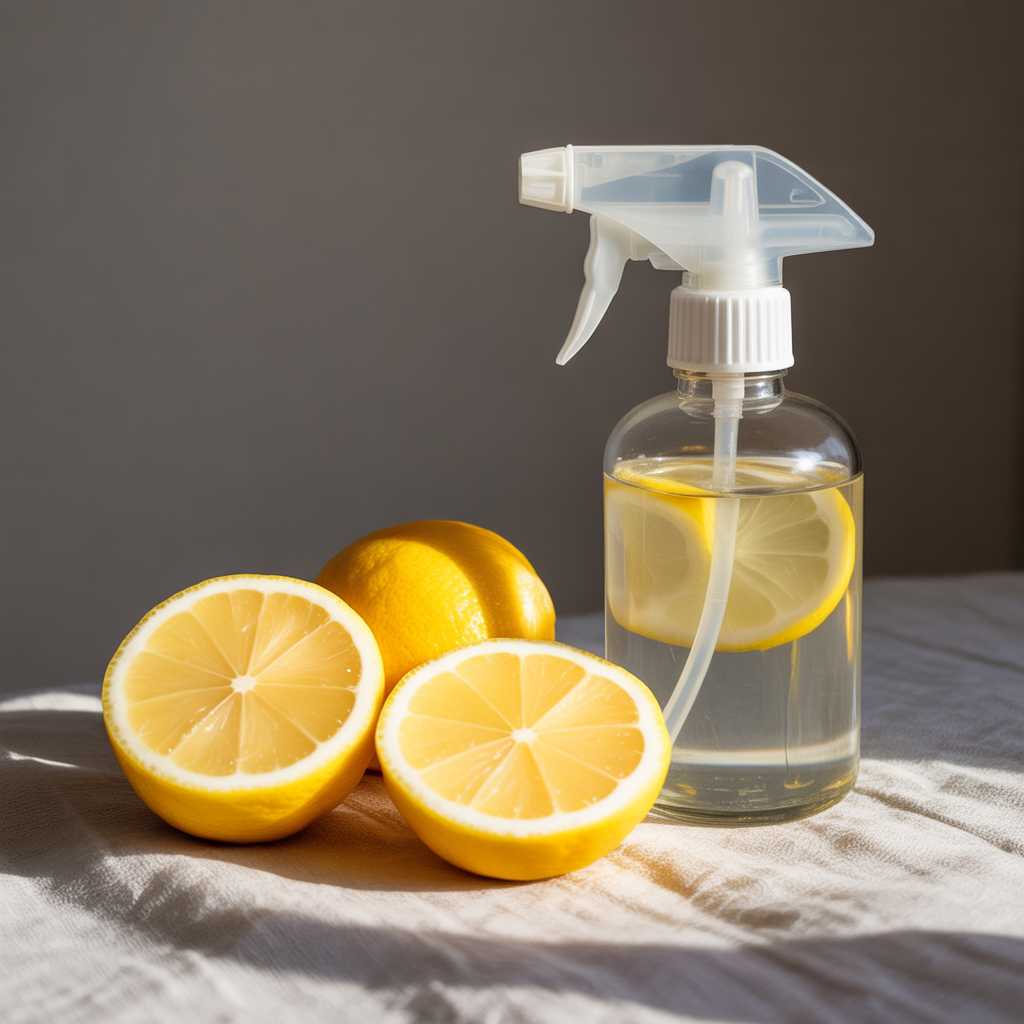
For a natural fix, try lemon juice. Its acidity helps brighten hair and soften brass. Mix it with water, spray on your hair, and sit in the sun for subtle lightening.
Try Apple Cider Vinegar Rinse
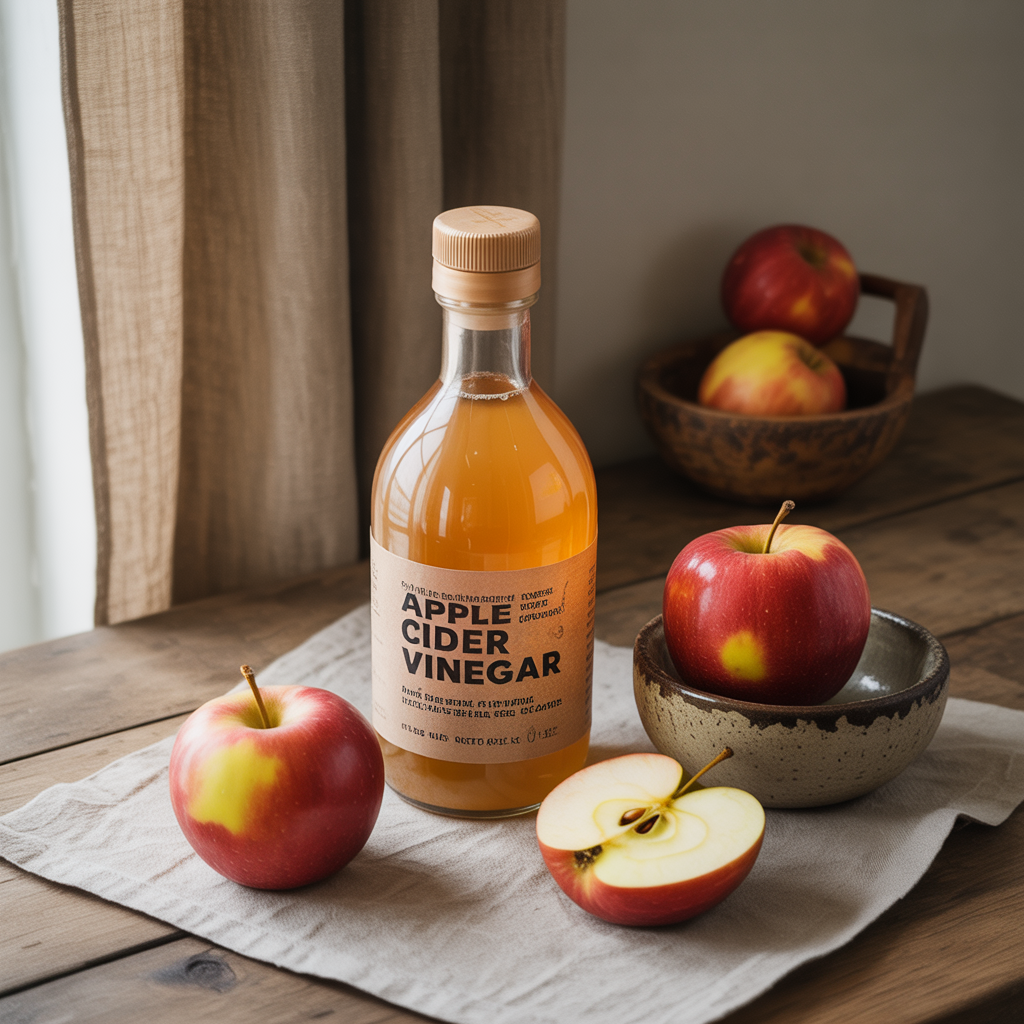
Apple cider vinegar balances pH levels, making color look smoother. It also gently strips away orange buildup. Use it as a final rinse once a week for natural correction.
Use A Blue Or Purple Hair Gloss

Gloss treatments tone and shine at the same time. Pick one with cool pigments to neutralize brassiness. It’s an easy solution if you want quick results without damage.
Visit here:dry scalp during winter
Cover With A Cool-Toned Balayage
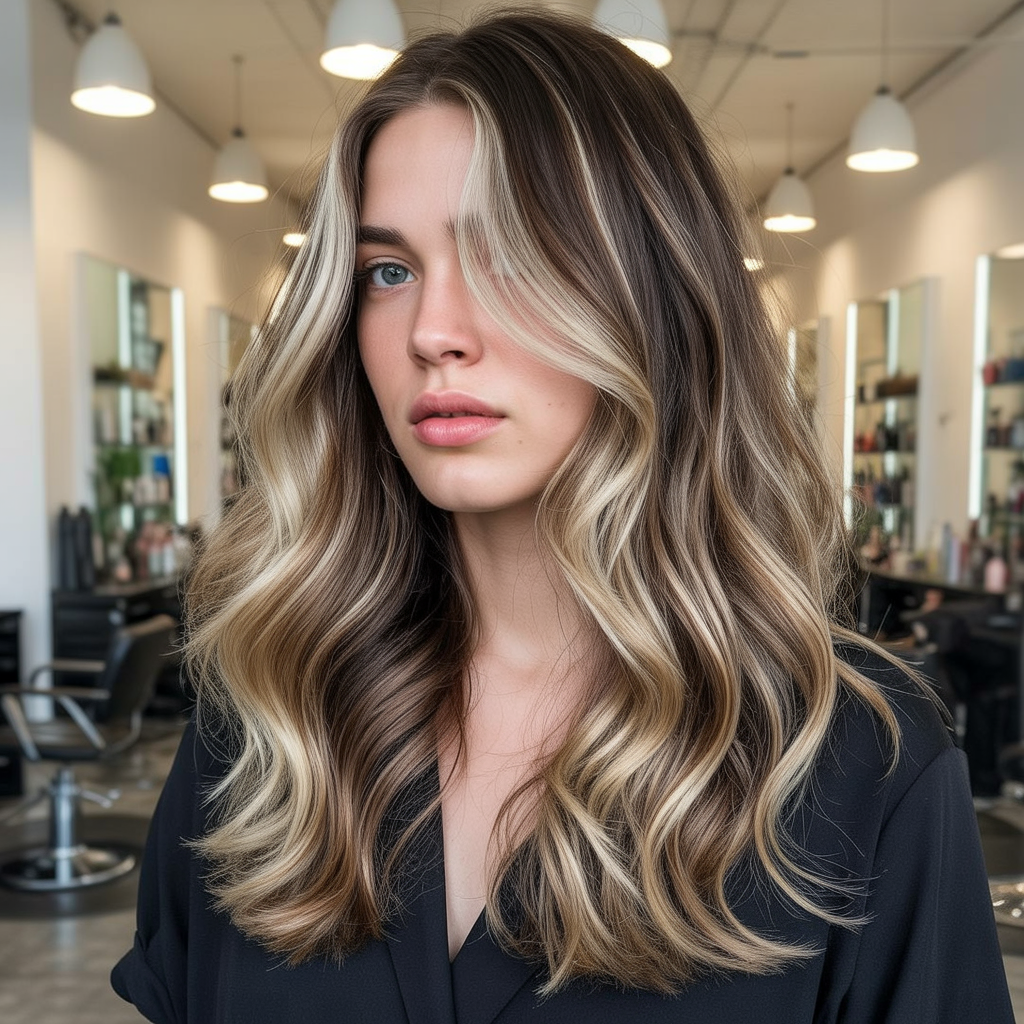
Instead of fighting orange, blend it. Add cool-toned balayage highlights to distract the eye and soften the brass. This trick makes your hair look professionally done.
Try A Charcoal Hair Mask
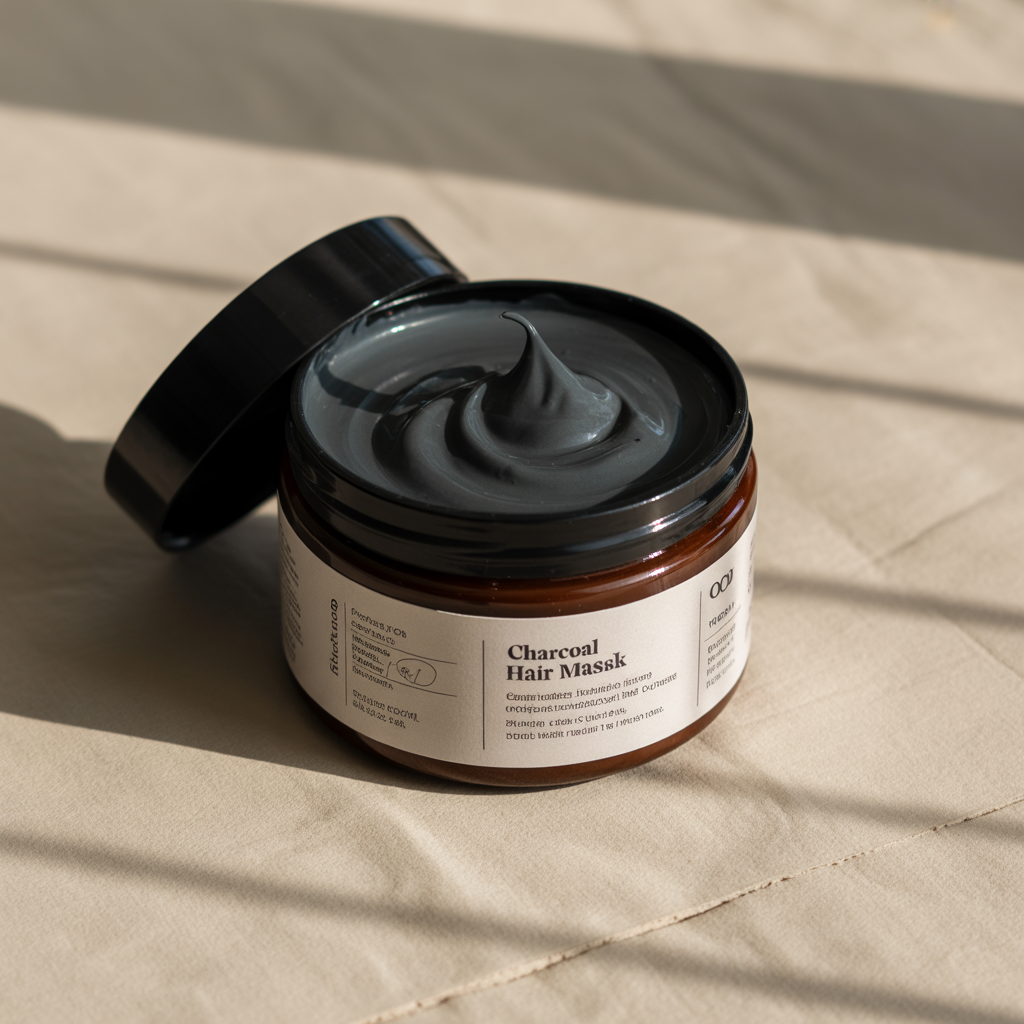
Charcoal masks not only detox the scalp but also help absorb warm tones. They create a cleaner base, which makes your hair look more even-toned.
Add A Temporary Color Rinse

Temporary rinses are quick solutions if you need to fix orange before an event. Blue or purple rinses add instant tone correction and wash out in a few days.
Use Chamomile Tea Rinse
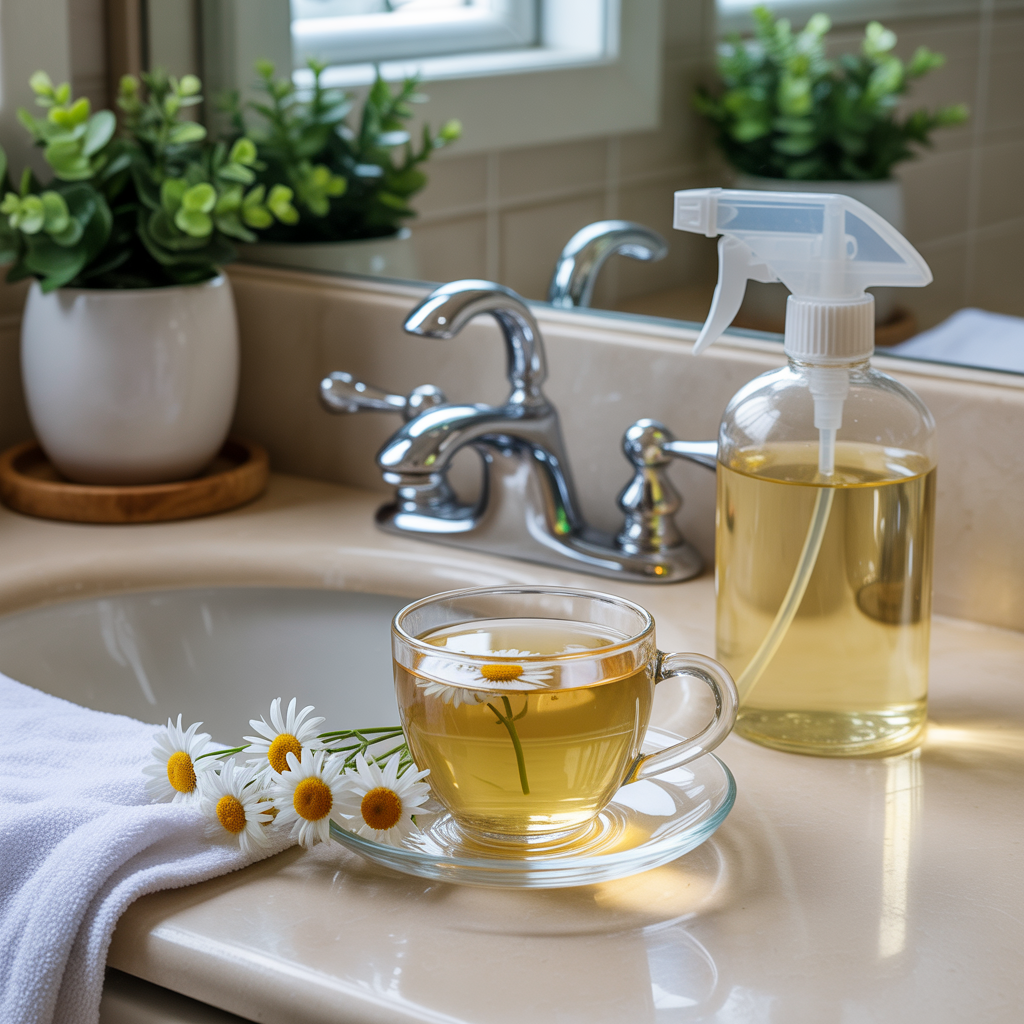
Chamomile tea is another natural method for brightening. Brew strong tea, cool it down, and use it as a rinse. It works slowly but can help soften brass.
Apply A Protein Treatment Before Re-Toning

Weak hair won’t hold toner. Use a protein treatment to strengthen strands before applying another color fix. This ensures the toner lasts longer and looks more even.
Avoid Heat Styling For A While
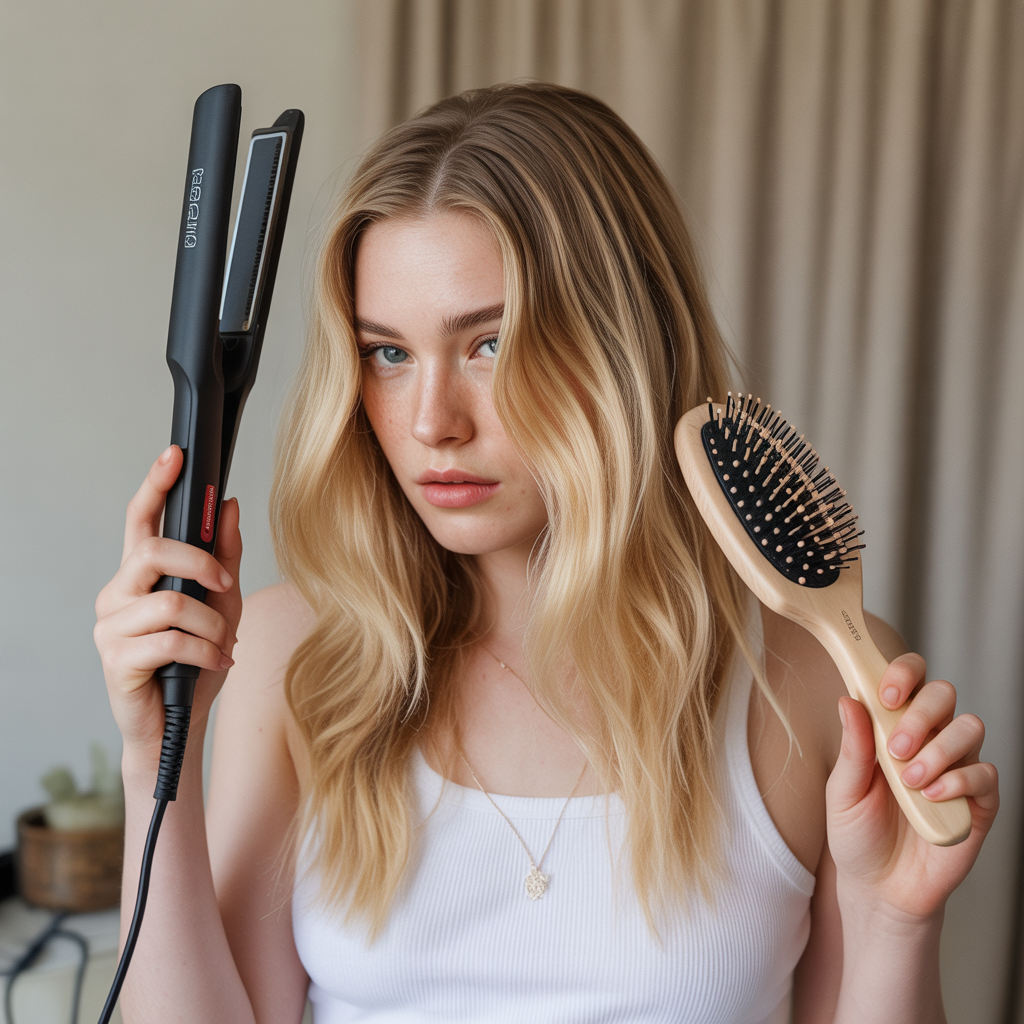
Heat styling makes brass worse by oxidizing hair pigments. Put the straightener down if you’re serious about how to fix orange hair after bleaching at home. Protect your strands before you tone.
Try A Cool Blonde Box Dye

If you don’t want salon trips, box dyes in cool blonde shades are an easy fix. They layer over orange and push your color closer to the shade you aimed for.
Deep Condition After Every Fix

Every correction strips your hair. To keep it strong, deep condition weekly. Hydrated hair holds color better and looks shinier, even after toning.
Use A Sulfate-Free Shampoo

Sulfates strip pigments, making orange come back faster. Switch to sulfate-free shampoo to protect your color correction. This small step makes results last longer.
Blend With Lowlights

If orange patches remain, add lowlights in cooler shades. They blend with your bleached sections and reduce the contrast that makes brass obvious.
Try A Violet-Based Semi-Permanent Dye

Semi-permanent violet dye can mask stubborn orange undertones. It’s less harsh than permanent dye and fades naturally into a softer shade.
Be Patient With Multiple Sessions

Sometimes, fixing orange isn’t instant. Give your hair time between treatments. This prevents breakage and allows your strands to recover while color correction builds up.
Know When To Seek Professional Help
Not every DIY fix works. If your hair feels fried or the brass won’t budge, see a colorist. Sometimes the smartest way to fix orange hair at home is to admit when it’s time for pro help.
FAQs
How long does it take to how to fix orange hair after bleaching at home?
It depends on your method. Purple shampoo may take a few washes, while toner can work instantly. Consistency is the key.
Can I fix orange hair without bleach?
Yes. Toners, glosses, and cool-toned dyes can neutralize orange without re-bleaching. Bleach should only be a last resort.
Will natural remedies work for orange hair?
Natural rinses like chamomile tea, lemon juice, and apple cider vinegar can help, but results are slow. They’re better as maintenance than immediate fixes.
Why does my hair always turn orange after bleaching?
Dark hair has underlying warm pigments. When bleach doesn’t lift enough, those pigments show through, leaving orange or copper tones.
Is it safe to re-bleach orange hair?
Only if your hair is healthy. Over-bleaching can cause breakage and dryness. Always space out bleaching sessions and use strong aftercare.
Conclusion
Bleaching at home is never risk-free, but knowing how to fix orange hair after bleaching at home saves both time and frustration. From purple shampoo to demi-permanent dyes, there are plenty of solutions. Some are quick fixes, others take patience, but all of them work when applied smartly. Stay disciplined, protect your strands, and embrace the process. The right shade is within reach—you just need to stay relentless.