30 Expert Tips: How to Choose the Right Hair Brush for Every Hair Type
When it comes to achieving healthy, sleek, and manageable hair, your styling tools matter as much as your shampoo or conditioner. Many people underestimate the impact of using the correct brush. This guide dives deep into how to choose the right hair brush for your specific hair type, needs, and styling goals.
Understanding Your Hair Type
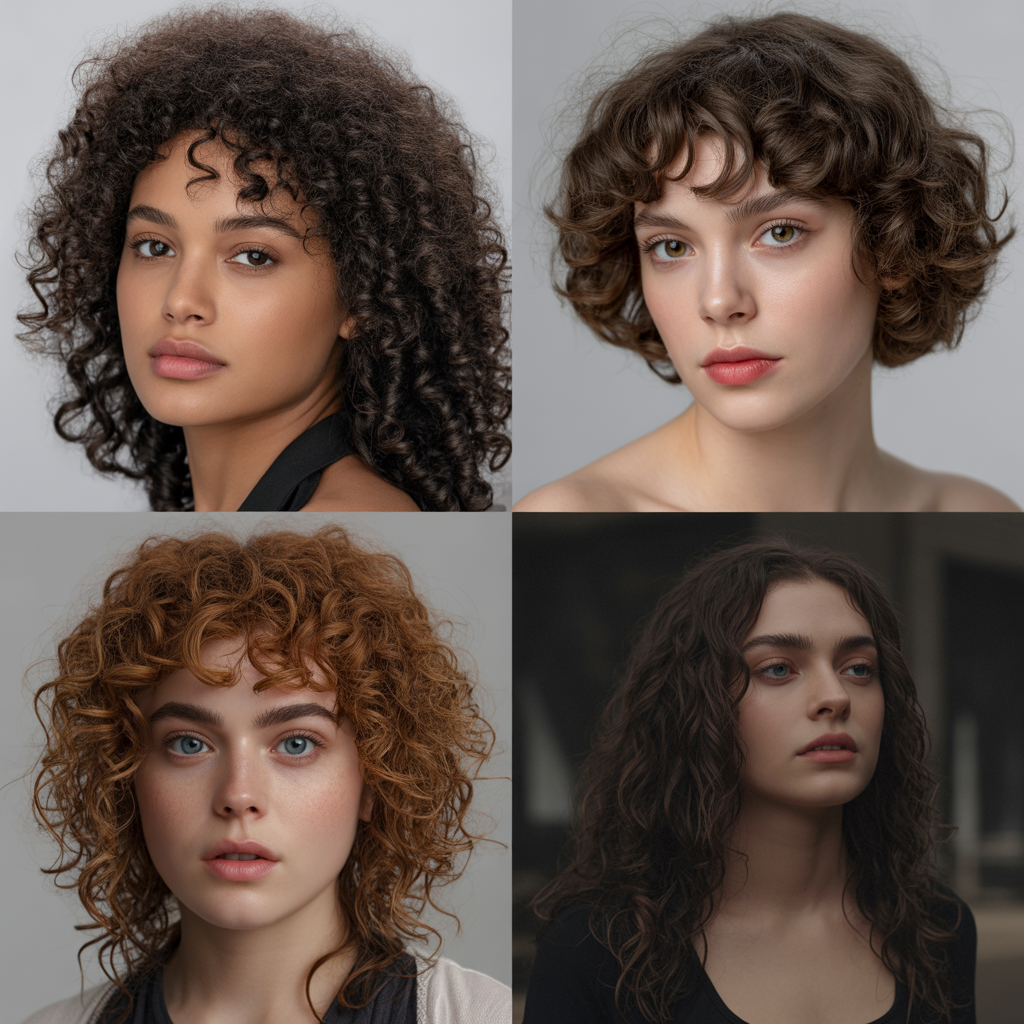
Before exploring brush options, it’s crucial to understand your hair type. Fine, thick, curly, straight, or coily hair all respond differently to various bristles and shapes. Knowing your natural texture helps you narrow down the best tools.
Why Hair Brush Choice Matters

The wrong brush can lead to unnecessary breakage, static, and frizz, while the right one enhances shine, smoothness, and scalp health. Understanding how to choose the right hair brush directly influences your styling results.
Paddle Brushes for Everyday Use
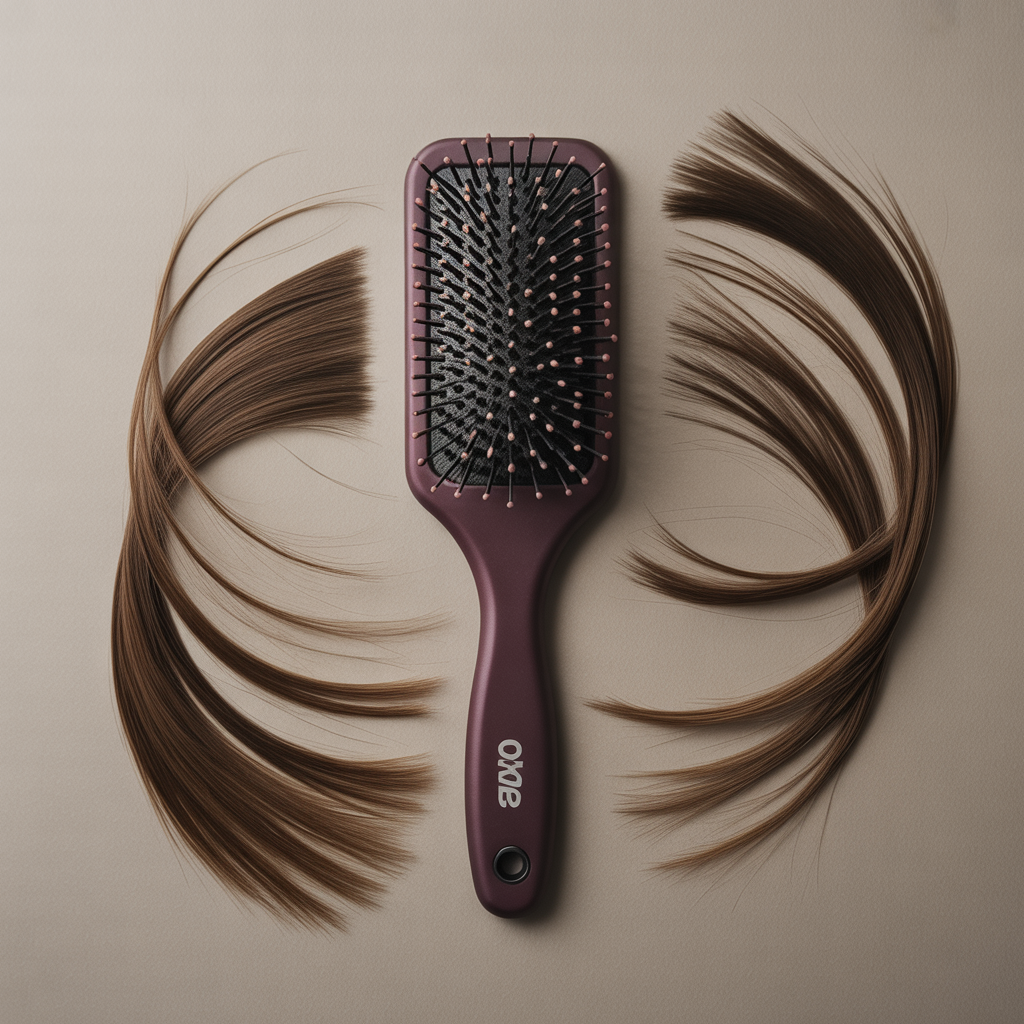
Paddle brushes are wide and flat, making them perfect for detangling long or medium hair. They distribute natural oils from scalp to ends, leaving your strands smoother and shinier.
Round Brushes for Volume

Round brushes are designed for blowouts, offering volume, body, and curl definition. They work well when paired with a hair dryer, lifting roots and shaping ends beautifully.
Vent Brushes for Faster Drying

Vent brushes are built with open slots that allow air to pass through. They are great if you want quicker drying time while adding shape and reducing heat exposure.
Boar Bristle Brushes for Shine

Boar bristles mimic the scalp’s natural oils and help distribute them evenly. This brush type works wonders for creating smooth, glossy finishes and taming flyaways.
Nylon Bristle Brushes for Thick Hair

Nylon bristles are strong enough to handle thick, coarse, or tangled hair. They provide grip and tension, making detangling more effective without excessive pulling.
Mixed Bristle Brushes for Balanced Results

Some brushes combine boar and nylon bristles, giving you the best of both worlds. They smooth hair while still managing volume and detangling.
Detangling Brushes for Wet Hair

Detangling brushes are flexible and gentle, designed to handle fragile wet strands. They glide through knots without causing breakage or scalp pain.
Visit here:natural remedies for hair growth
Wide-Tooth Combs as Alternatives

Though not brushes, wide-tooth combs are excellent for detangling curly or coily hair. They reduce shedding and prevent curls from losing their shape.
Cushioned Brushes for Comfort
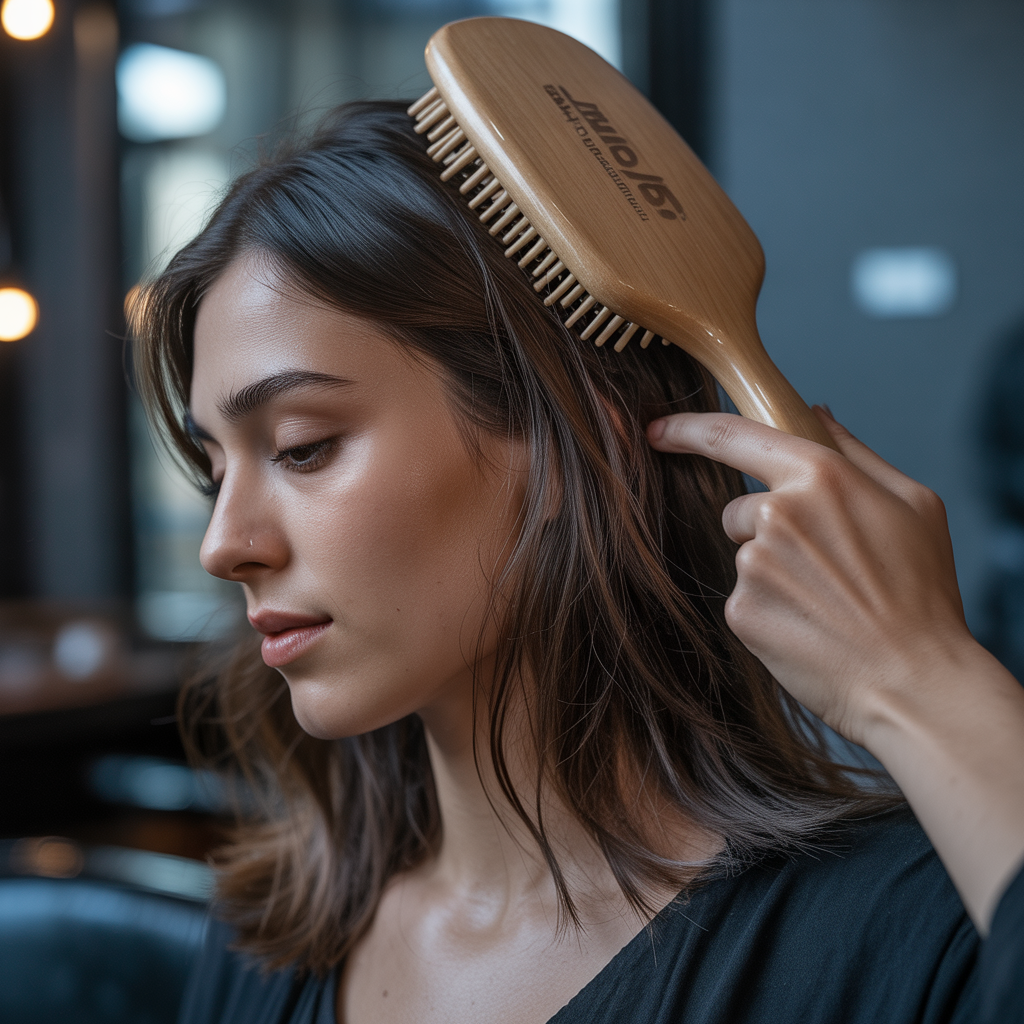
Cushioned brushes come with a padded base that bends with your scalp’s shape. They provide comfort while massaging the scalp and distributing pressure evenly.
Ceramic Brushes for Heat Styling

Ceramic brushes heat up quickly during blow-drying, holding warmth that helps shape curls and waves. They cut down drying time and lock in smoothness.
Metal Barrel Brushes for Sleek Styles

Metal barrel brushes work well for straight blowouts. They retain heat effectively, offering smooth and polished looks without frizz.
Travel Brushes for Convenience

Compact and foldable brushes are perfect for on-the-go touch-ups. They keep your hair looking neat without taking up space in your bag.
Eco-Friendly Hair Brushes
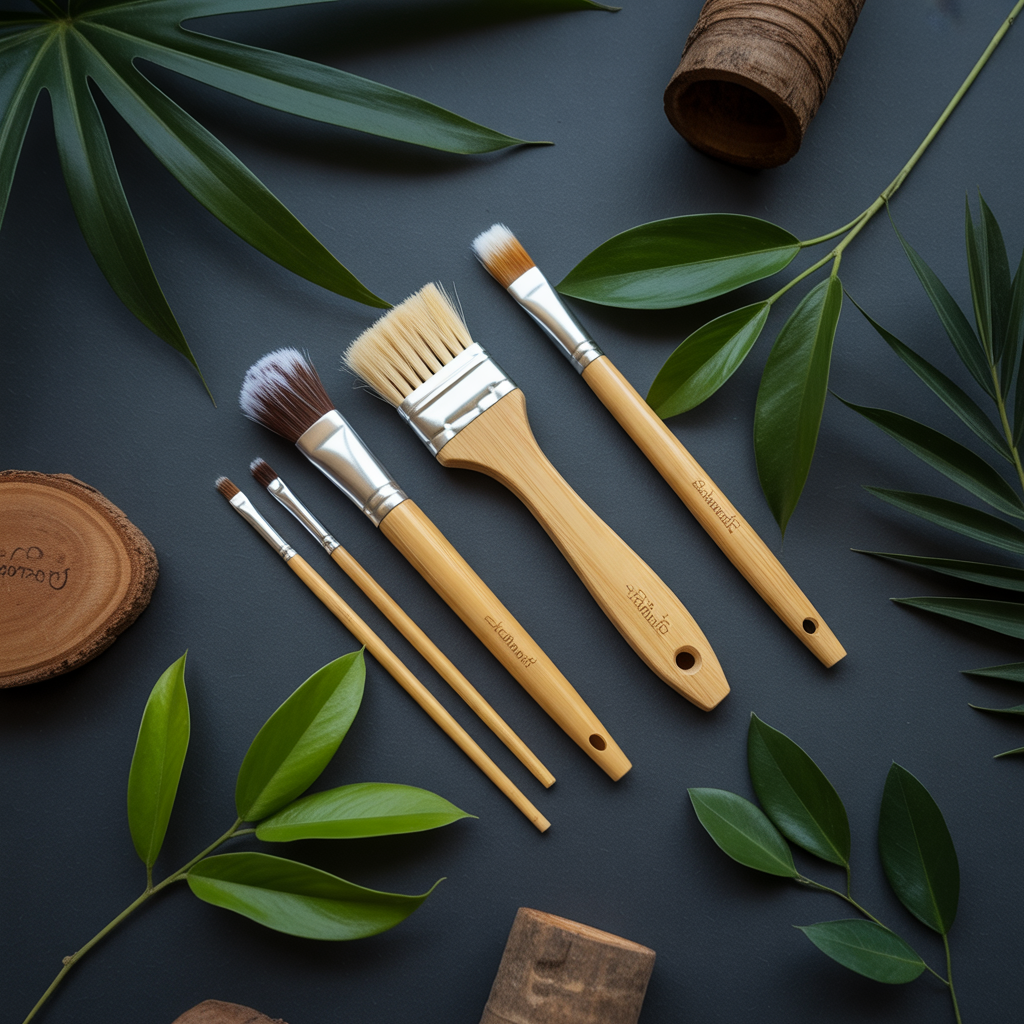
Brushes made from bamboo or recycled materials are sustainable alternatives. They perform just as well as plastic brushes while reducing environmental impact.
Scalp-Stimulating Brushes

Some brushes are designed with rounded tips to massage the scalp. They boost circulation, promote growth, and relax the scalp muscles.
Brushes for Curly Hair
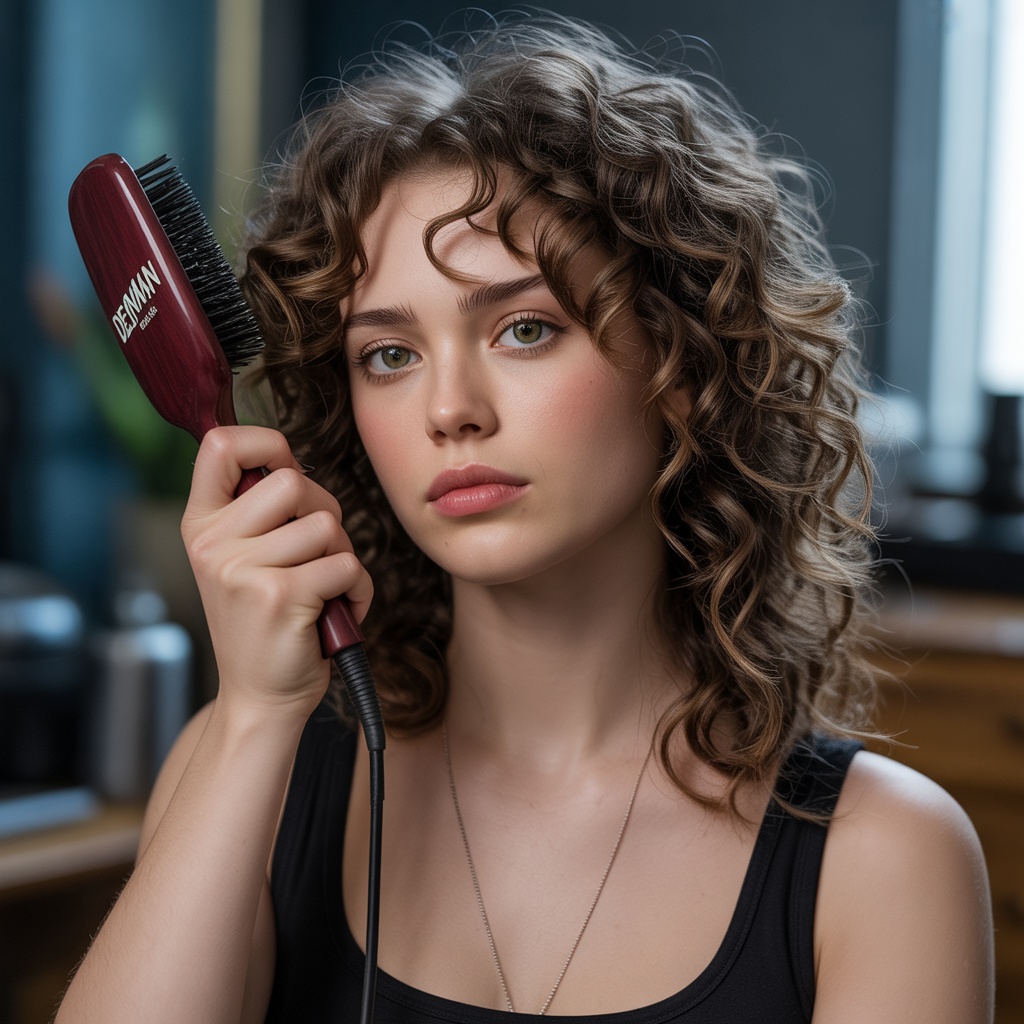
Curly hair needs brushes that don’t break curl patterns. Denman-style brushes or wide-bristle designs define curls while preventing frizz.
Brushes for Straight Hair

Straight hair benefits from smooth bristles like boar or nylon. They keep strands sleek, reduce static, and prevent limpness.
Brushes for Fine Hair
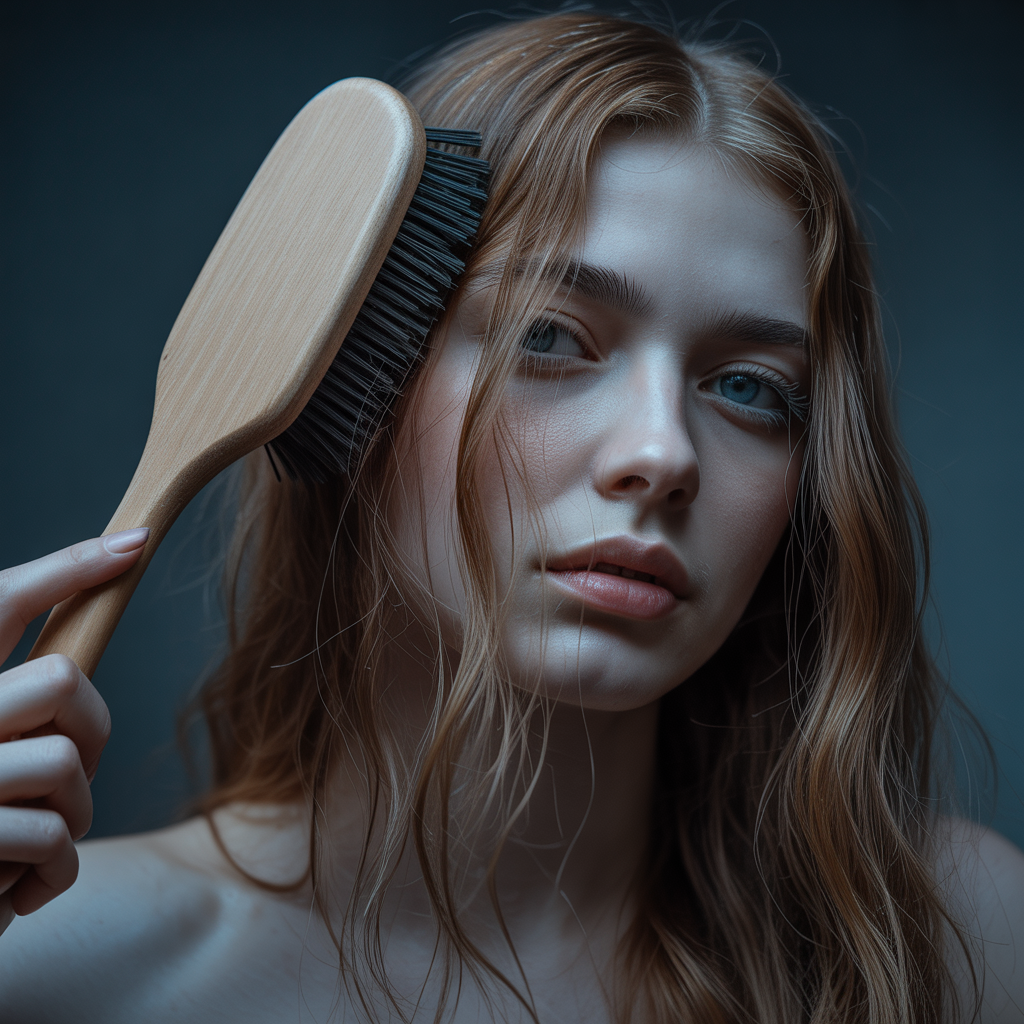
Fine hair can break easily, so soft-bristle brushes are essential. They detangle gently without pulling or stressing delicate strands.
Brushes for Thick Hair

Thick hair requires firm bristles, often nylon or mixed bristles, to detangle effectively. These brushes manage volume without breaking strands.
Choosing the Right Brush for Blowouts

If you’re blow-drying often, pick brushes that hold heat, like ceramic or round barrels. They reduce drying time while shaping your style.
Choosing a Brush for Daily Use

For everyday brushing, paddle or cushioned brushes work well. They maintain natural oils and keep hair neat without over-styling.
Choosing a Brush for Styling Bangs
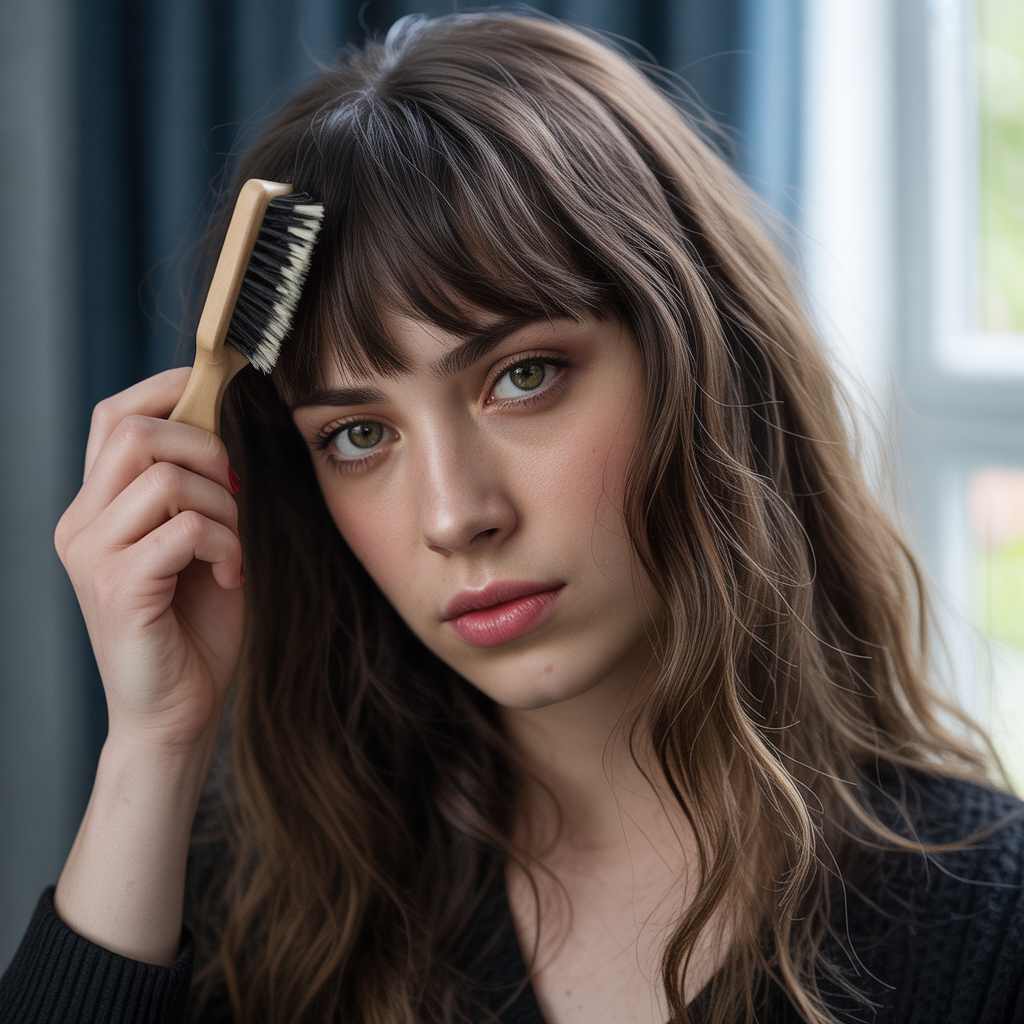
Bangs require precision, so small round brushes help shape them properly. They allow you to style without frizz or awkward bends.
Choosing a Brush for Updos

For sleek buns or ponytails, flat boar bristle brushes are ideal. They smooth down flyaways and create a polished finish.
Brushes That Prevent Breakage

Gentle detangling brushes or wide-tooth options help reduce breakage. Choosing them ensures your hair remains healthy and resilient.
How to Clean Your Hair Brush

A clean brush prevents oil and residue buildup. Remove trapped hair regularly and wash with mild shampoo to keep bristles fresh.
How Often to Replace Hair Brushes
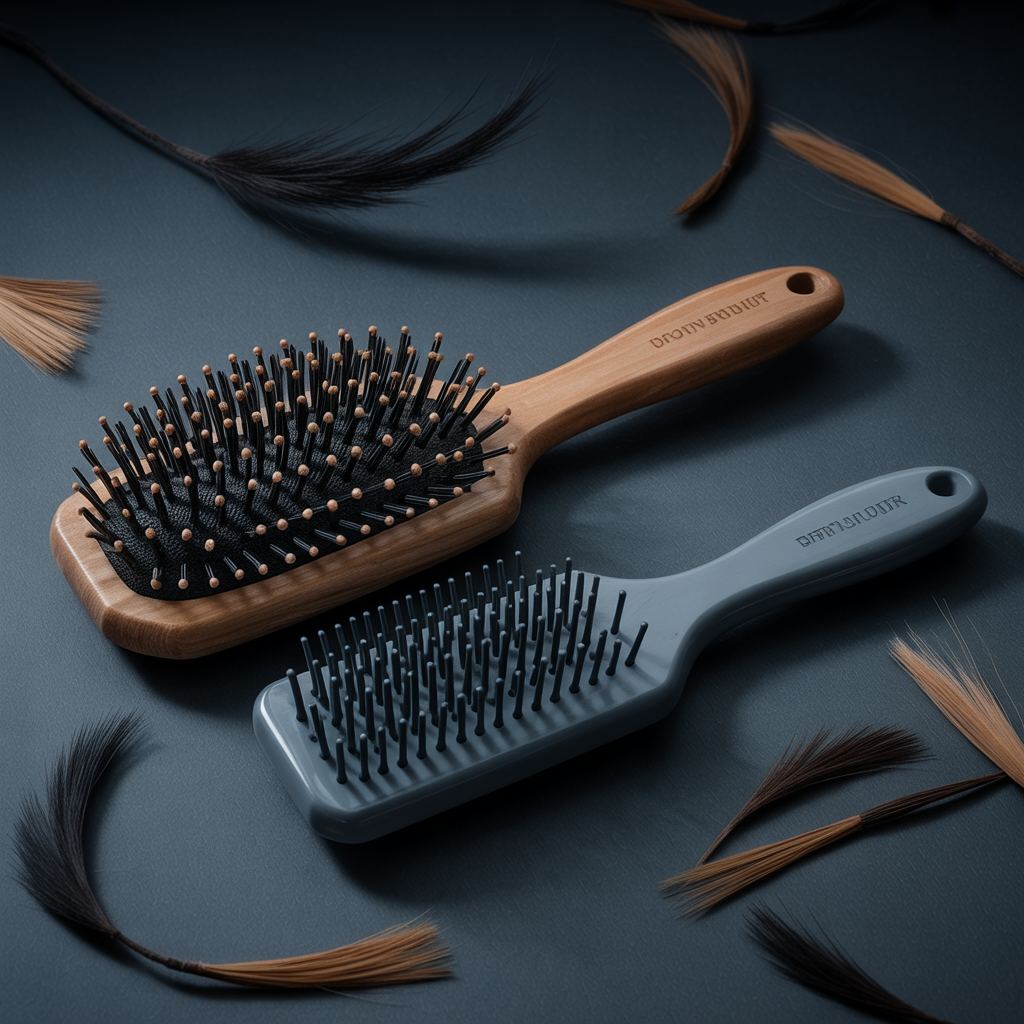
Over time, bristles wear down and lose effectiveness. Replacing your hair brush every 6–12 months ensures consistent styling results.
Budget vs. Luxury Hair Brushes
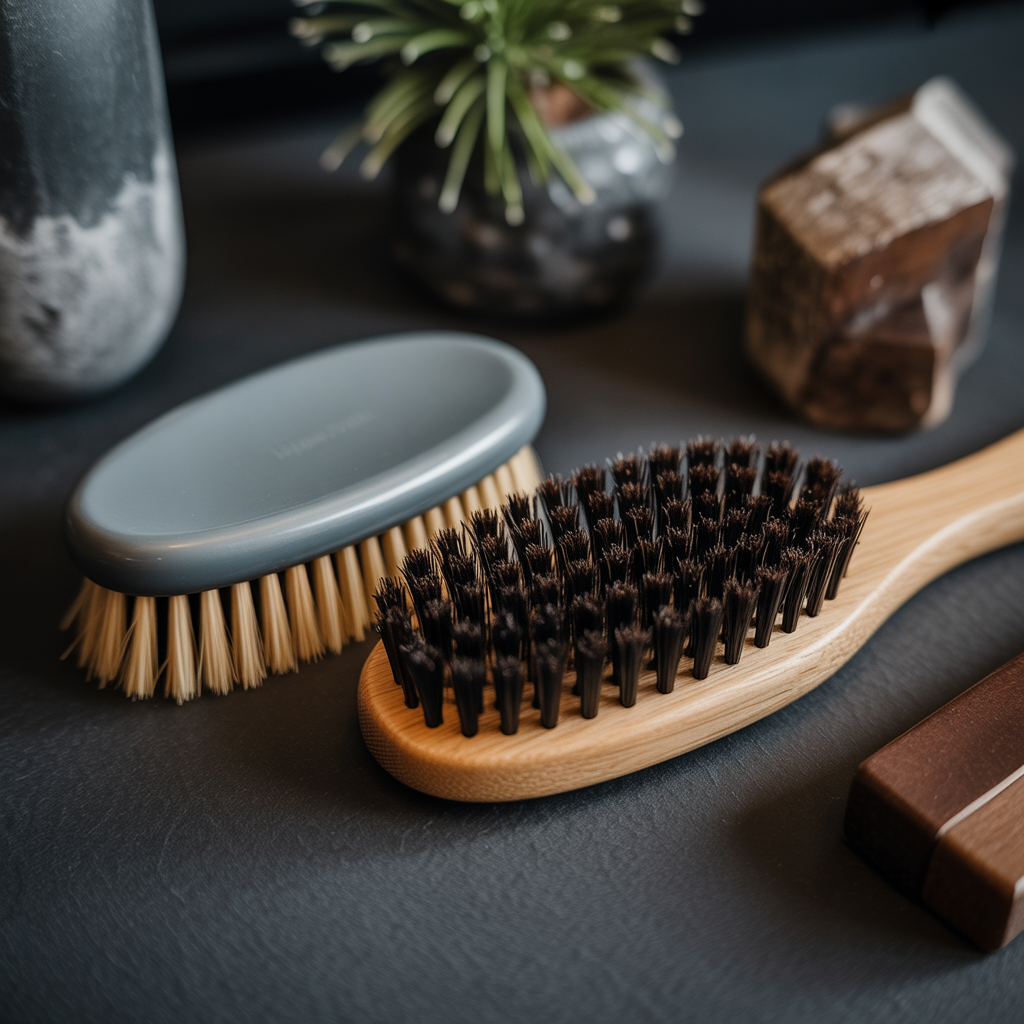
High-end brushes may last longer and provide a better finish, but budget-friendly options can also perform well. It depends on your hair needs.
Common Mistakes in Choosing Hair Brushes
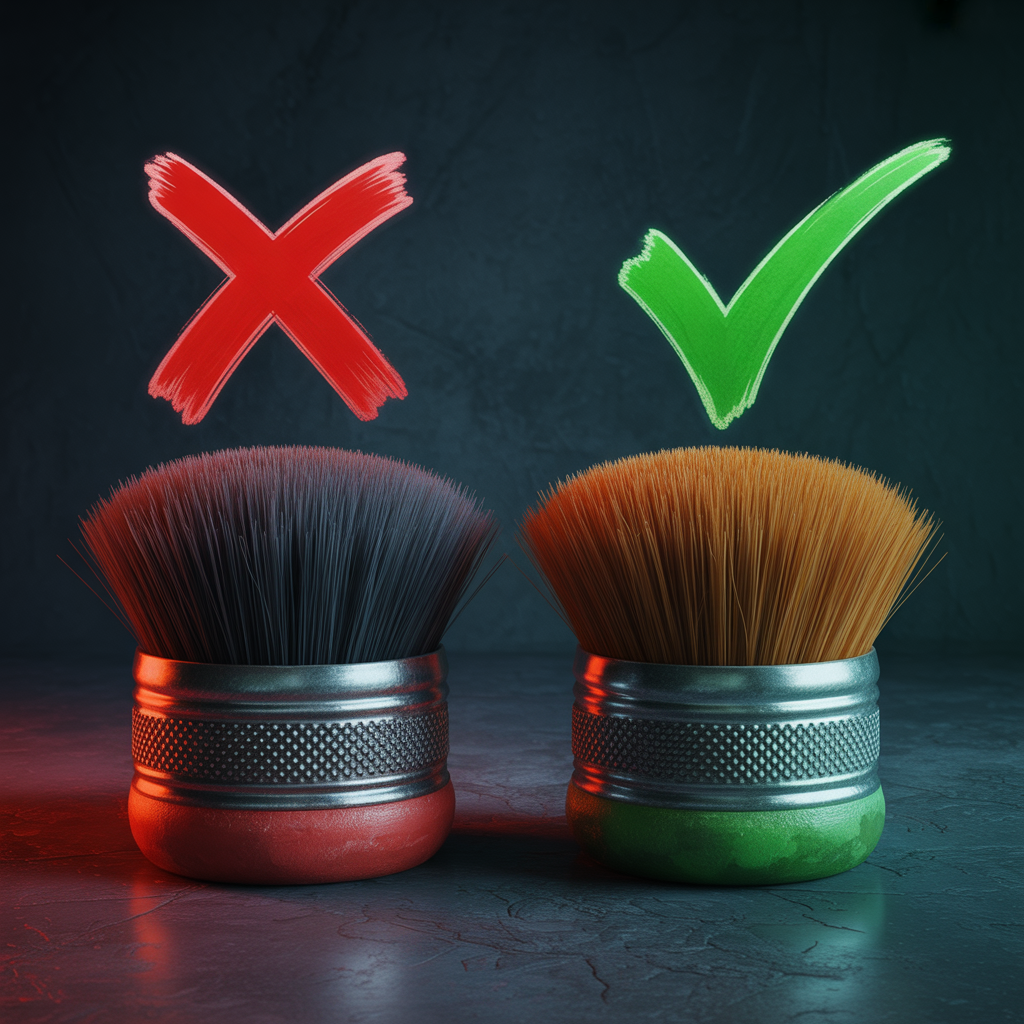
Many people buy brushes without considering their hair type. Avoid this mistake by learning how to choose the right hair brush before purchasing.
Personalizing Your Hair Brush Collection

One brush often isn’t enough. Building a collection based on your daily styling needs ensures you’re always prepared for any look.
FAQs About How to Choose the Right Hair Brush
Which brush is best for reducing frizz?
A boar bristle brush helps distribute oils and smooth cuticles, reducing frizz naturally.
Can I use the same brush for wet and dry hair?
It’s better to use a detangling brush or wide-tooth comb on wet hair to avoid breakage.
Are expensive brushes worth the money?
Yes, premium brushes often have higher-quality bristles and last longer, but a good budget brush can still work effectively.
What type of brush should I use for curly hair?
Curly hair benefits from detangling brushes or Denman-style brushes, as they define curls without breaking them apart.
How do I know if I’m using the wrong brush?
If you notice breakage, scalp discomfort, or persistent frizz, it’s a sign you may need a different brush type.
Conclusion Of How to Choose The Right Hair Brush
Mastering how to choose the right hair brush can completely transform your hair routine. From detangling wet strands to achieving flawless blowouts, the right brush keeps your hair healthier and your style sharper. Consider your hair type, daily routine, and styling goals before investing. A thoughtful choice ensures long-term results, shinier strands, and stronger hair.