
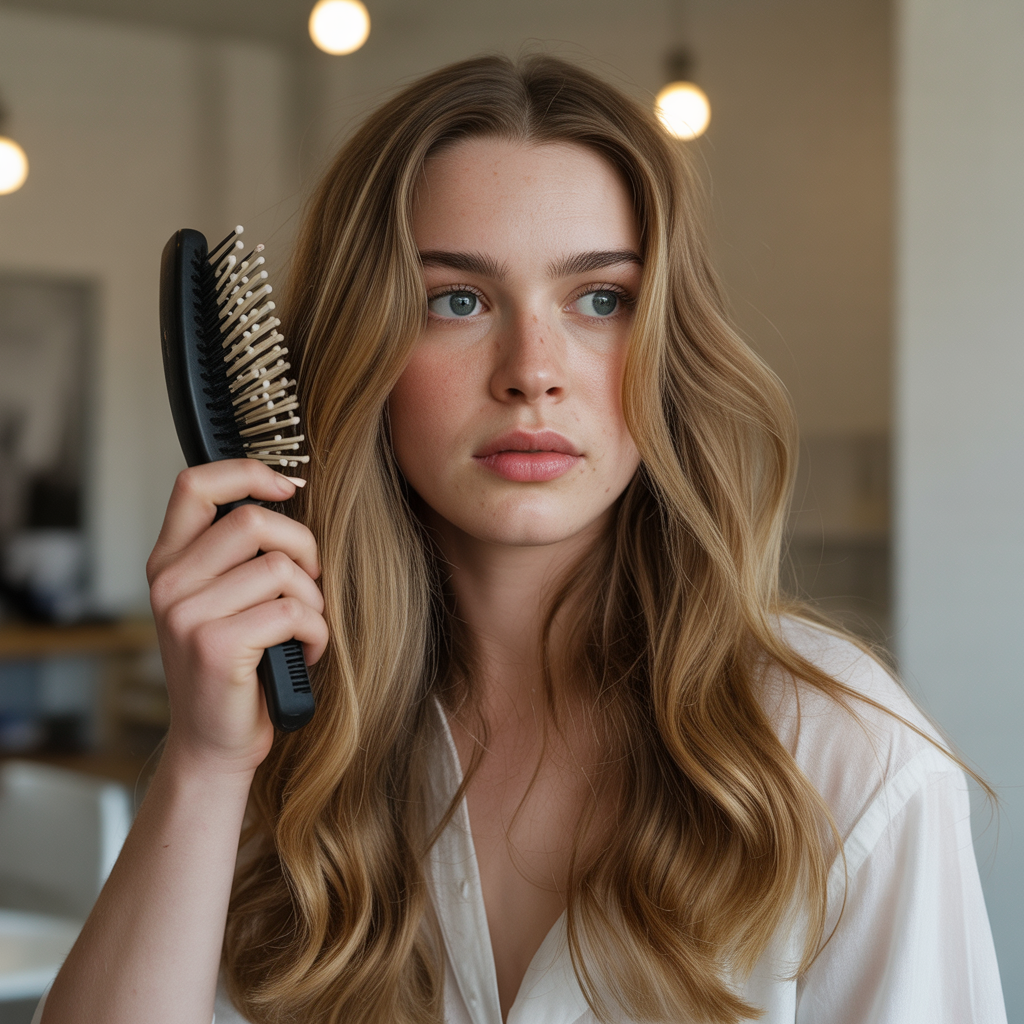
18 How to Brush Thin Hair and Keep Strands Healthy Daily
Brushing thin hair requires a careful balance between detangling, protecting, and enhancing volume. Thin strands are fragile, prone to breakage, and easily weighed down by the wrong tools or techniques. Learning how to brush thin hair can improve shine, reduce shedding, and preserve its natural movement. Below are 18 effective ideas for(how to brush thin hair) building a brushing routine that keeps thin hair healthy and resilient.
Choosing the Right Brush

The foundation of learning how to brush thin hair starts with selecting the right tool. Soft bristle brushes or wide-tooth combs are best because they glide through hair without pulling or snapping fragile strands. Avoid stiff or metal bristles, which can cause unnecessary tension.
Brushing Hair While It Is Dry

Thin hair is weaker when wet, so brushing it dry helps reduce breakage. A gentle glide with a soft brush distributes oils evenly and prevents stretching of delicate fibers. Always work in small sections to avoid tugging at knots.
Using a Wide-Tooth Comb for Detangling
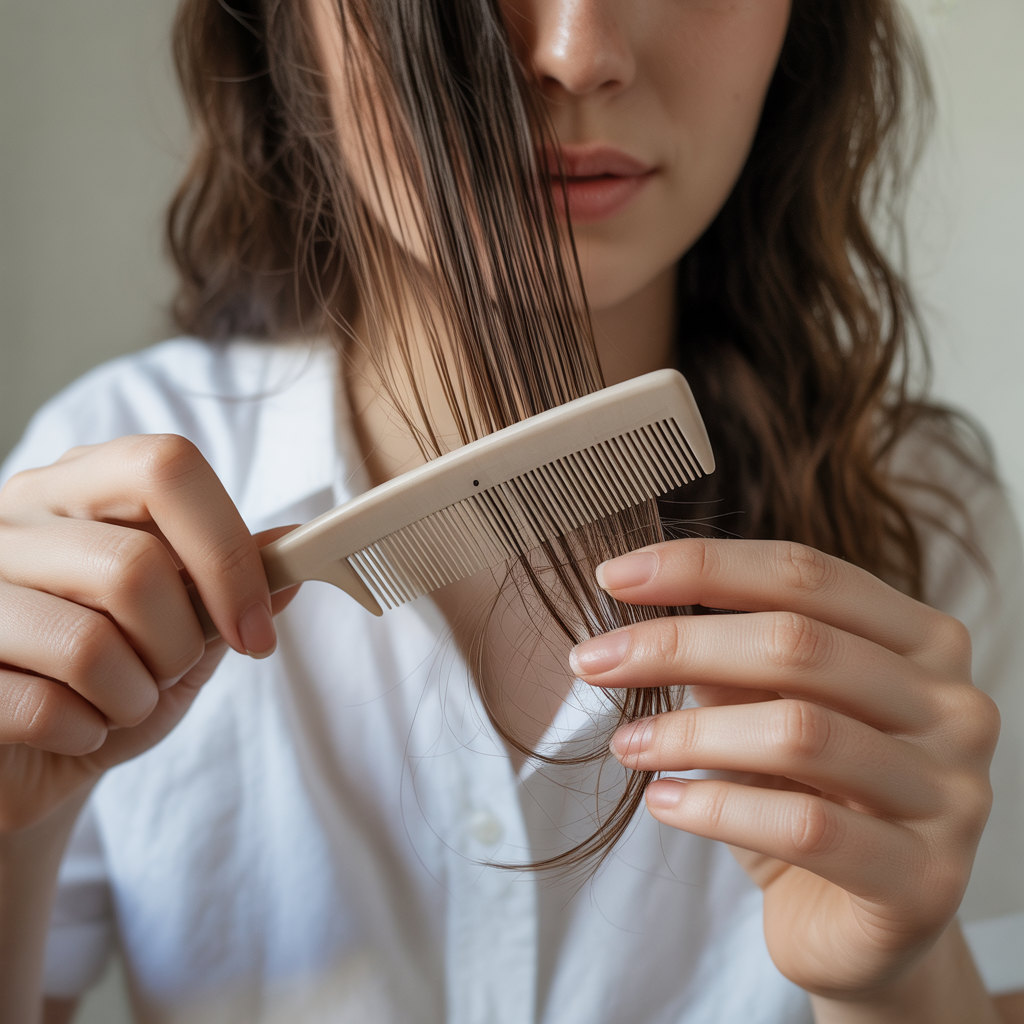
For stubborn tangles, a wide-tooth comb is safer than a standard brush. It allows for controlled detangling without breaking multiple strands at once. This tool is especially useful when starting a brushing routine after washing.
Starting from the Ends
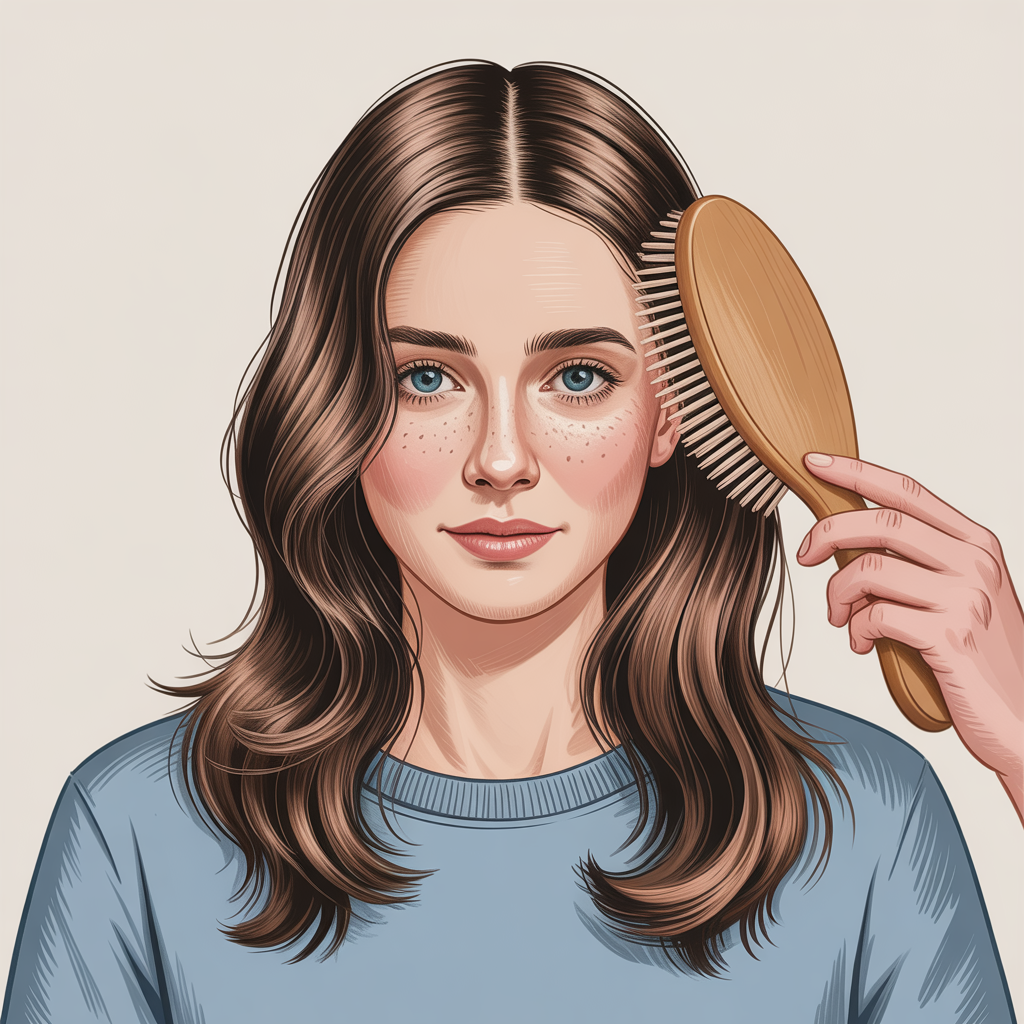
When figuring out how to brush thin hair, always begin from the ends and work upward. This approach prevents knots from compounding at the tips, which can lead to snapping. Moving slowly upward ensures a smoother brushing process.
Incorporating Leave-In Conditioner

A lightweight leave-in conditioner softens thin strands, making them easier to brush. It reduces friction, allowing the brush to glide more smoothly. Spritzing a small amount before brushing keeps strands manageable and hydrated.
Brushing Before Washing
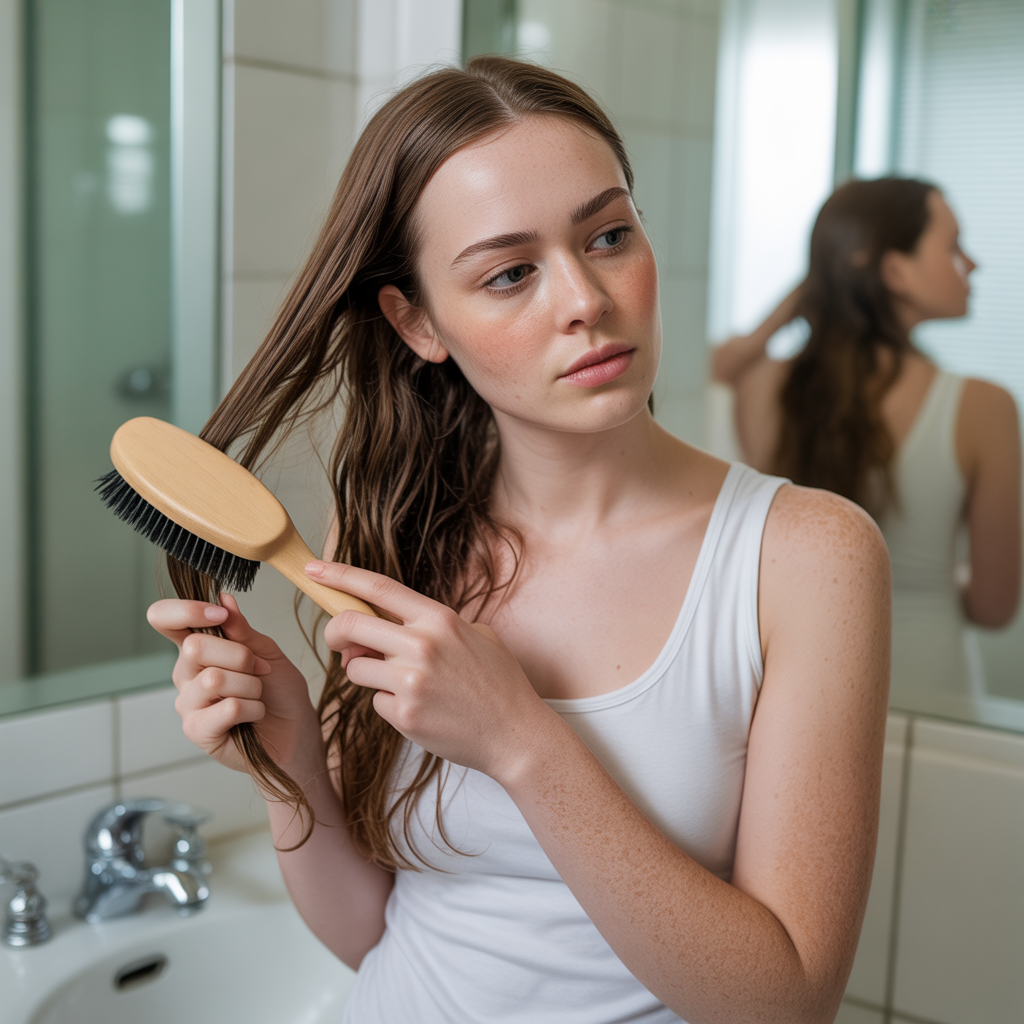
Brushing before shampooing helps loosen dirt, oils, and product buildup. For thin hair(how to brush thin hair), this reduces tangling during washing and ensures shampoo spreads more evenly. It also stimulates circulation at the scalp for stronger roots.
Gentle Daily Brushing Routine
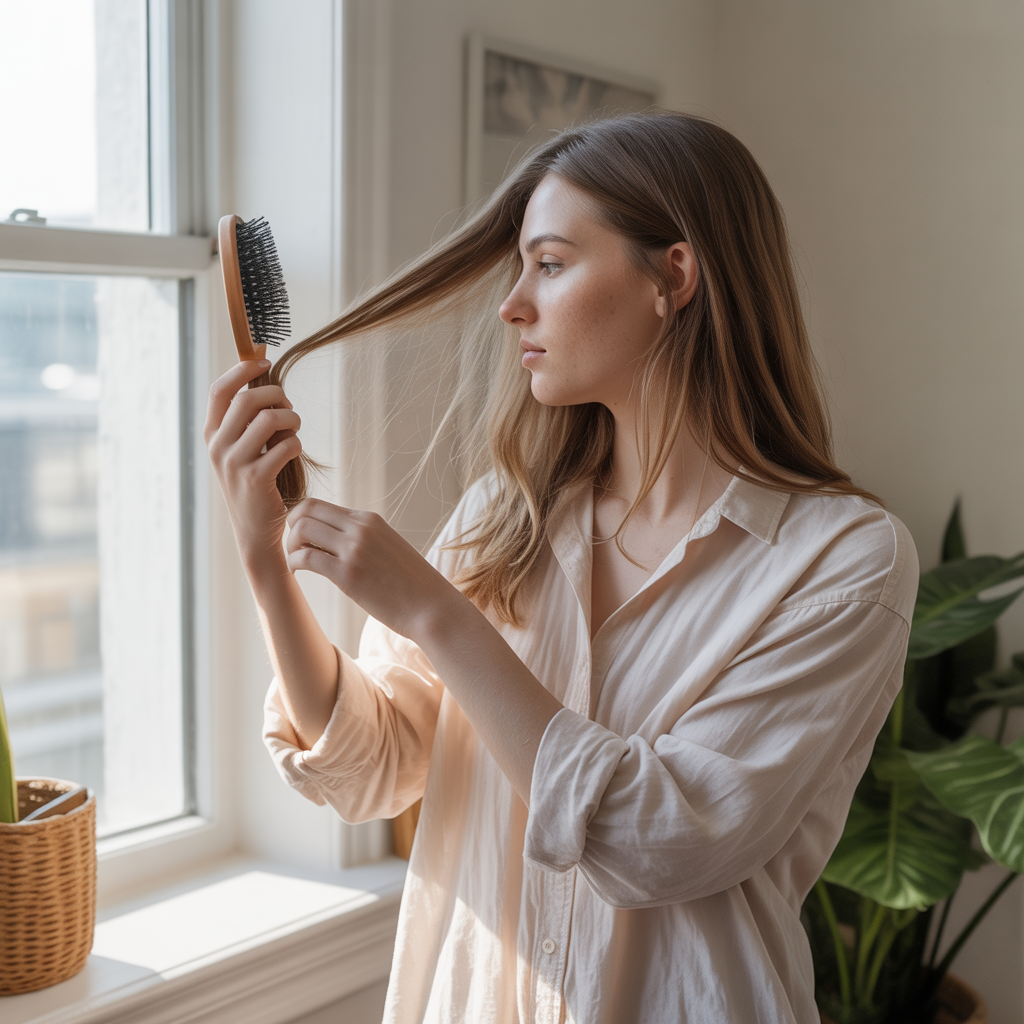
Thin hair benefits from daily brushing, but the technique must be gentle. Two to three minutes of slow strokes with a soft bristle brush can refresh the scalp and improve natural shine. Avoid excessive brushing, which weakens fragile fibers.
Visit this how to sleep with fine hair.
Brushing to Distribute Natural Oils
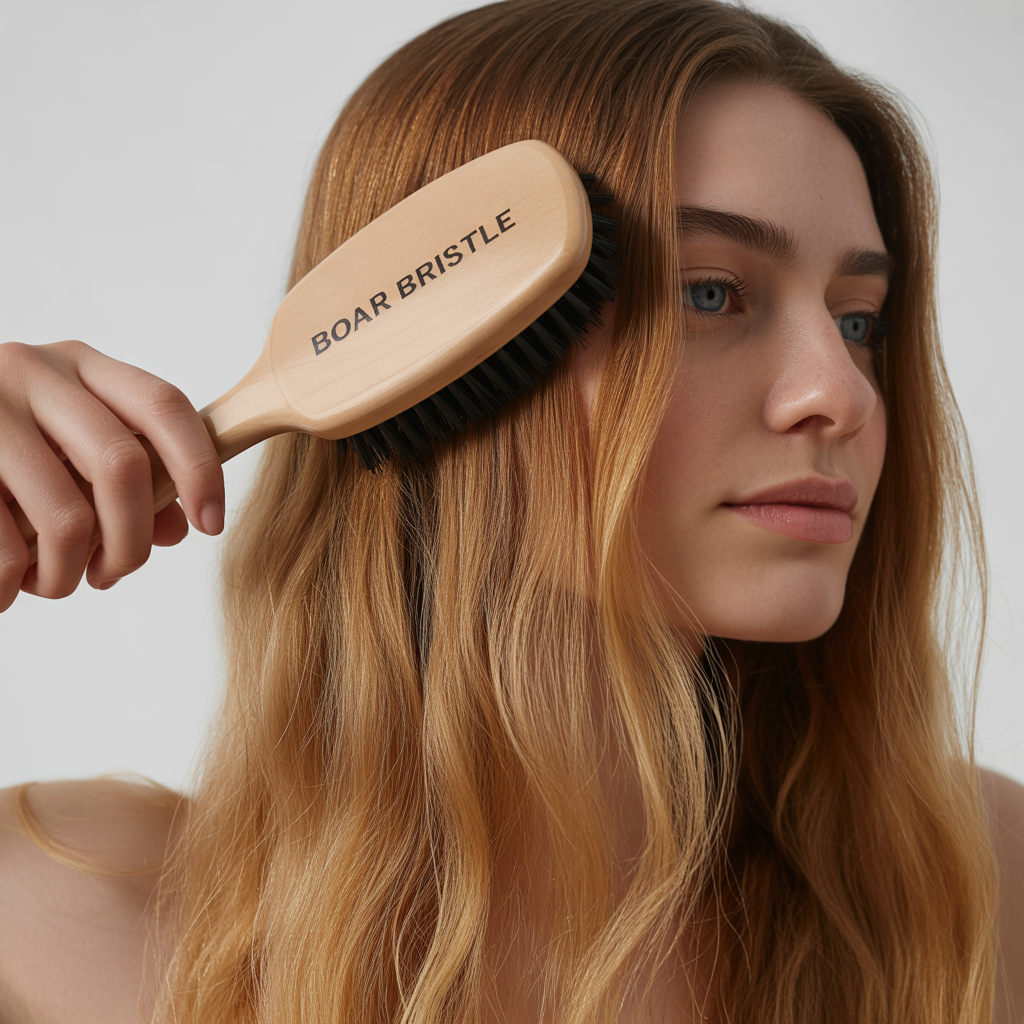
The scalp produces natural oils that often remain concentrated near the roots. Brushing thin hair helps carry these oils toward the ends, preventing dryness. Using a boar bristle brush is especially effective for this purpose.
Avoiding Over-Brushing

Fine strands can easily become greasy and limp if brushed too much. Limiting brushing sessions to once or twice daily keeps hair balanced. This prevents overstimulation of oil glands while still maintaining softness and movement.
Using Detangling Sprays
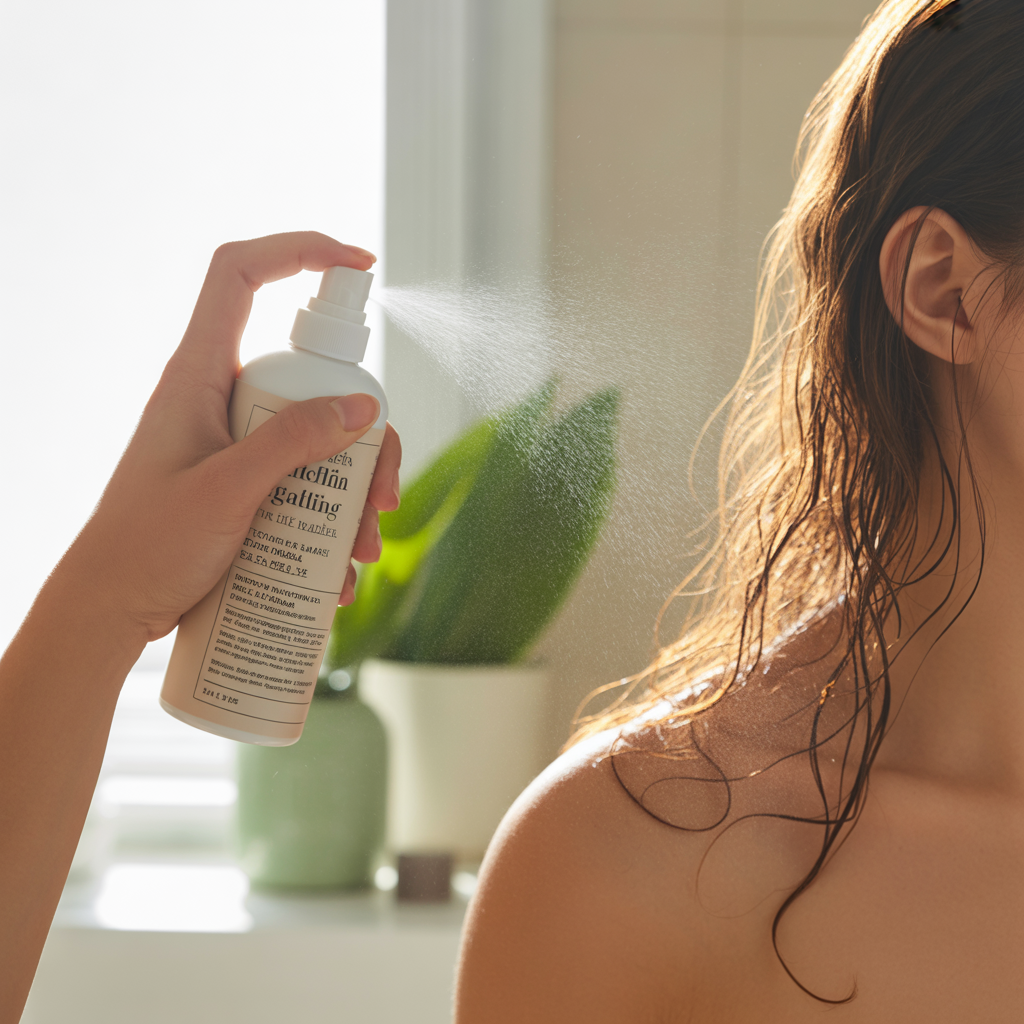
Light detangling sprays are helpful for reducing pulling while brushing thin hair. They create slip that allows strands to separate easily. This is especially useful when tackling post-shower tangles.
Brushing Hair in Sections
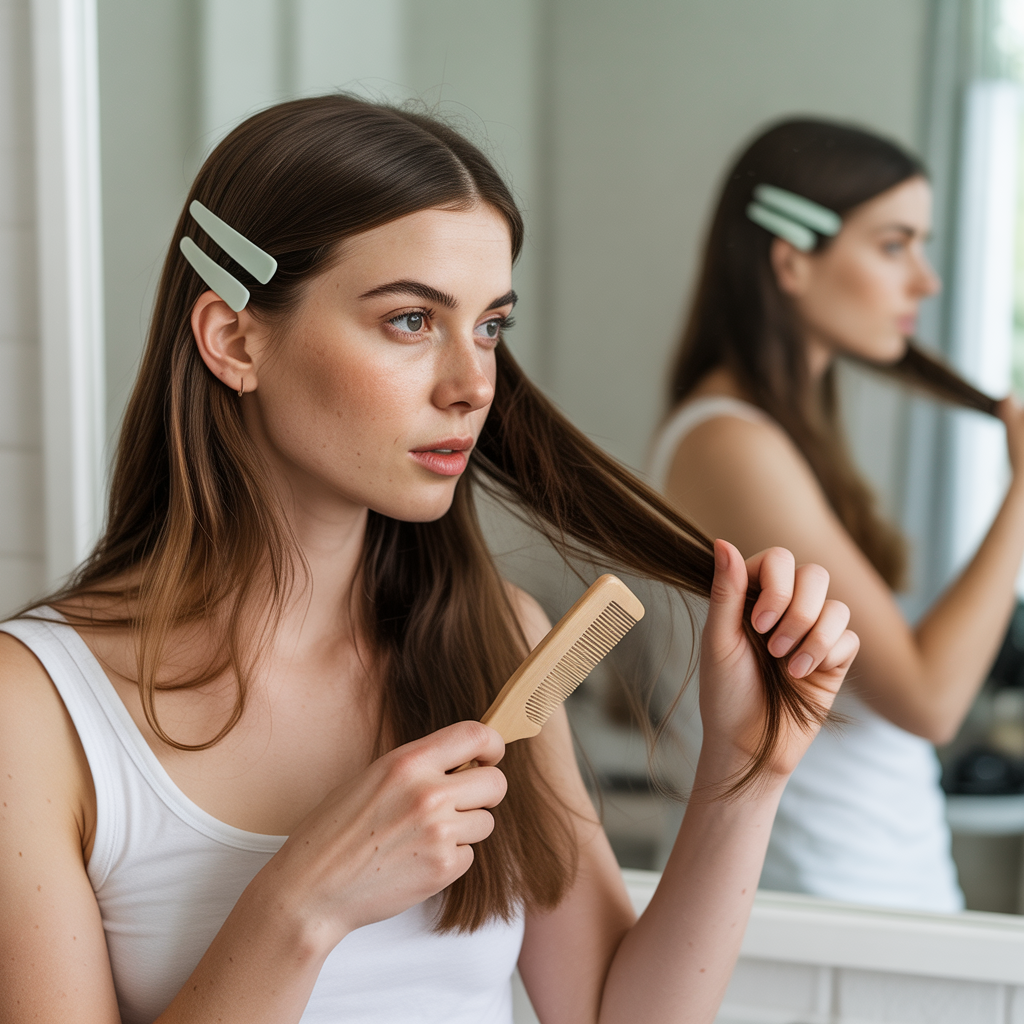
Separating hair into sections ensures each part receives even attention. For thin textures, this method prevents over-brushing in one area and minimizes stress on delicate fibers. Working in layers also creates a smoother finish.
Avoiding Harsh Tugging
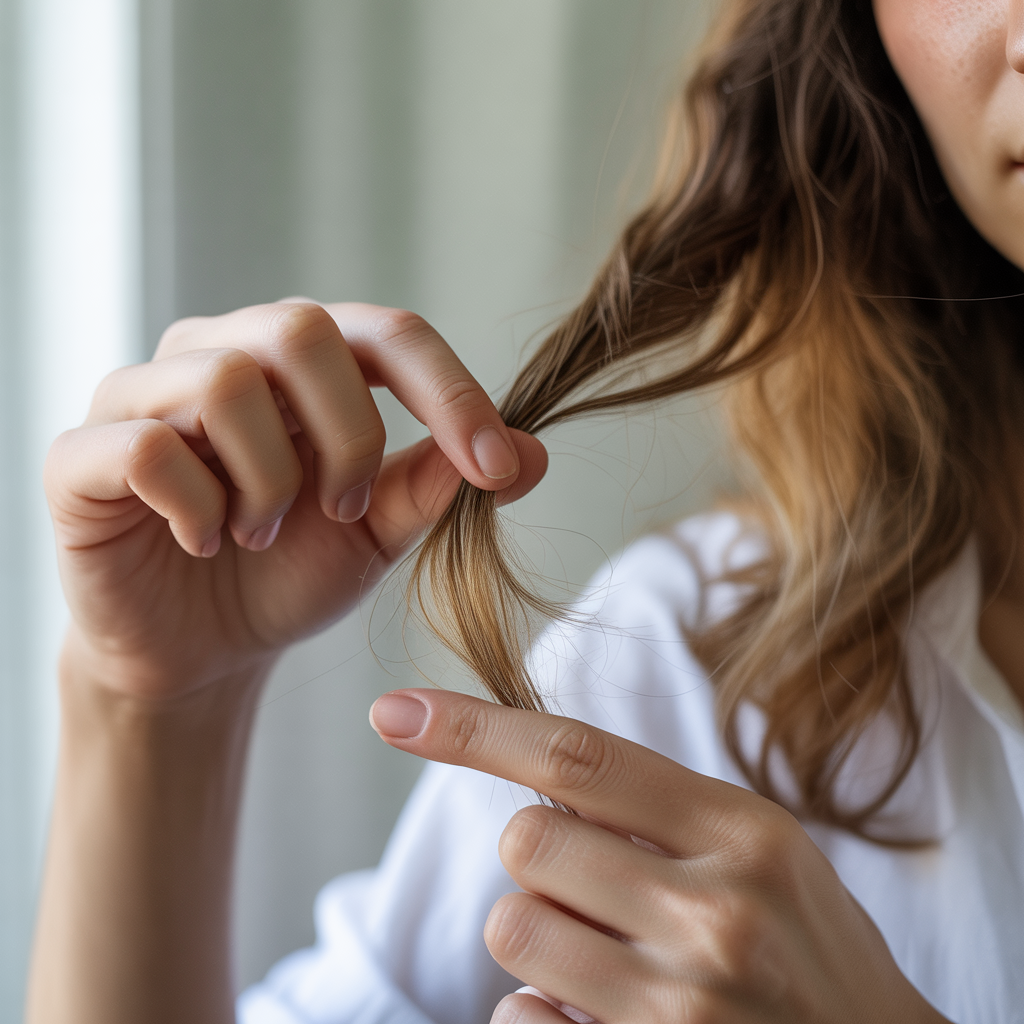
Thin strands snap under tension, so tugging knots forcefully can cause breakage. Instead, gently loosen tangles with fingers before brushing through them. This method preserves length and strength over time.
Cleaning Your Brush Regularly
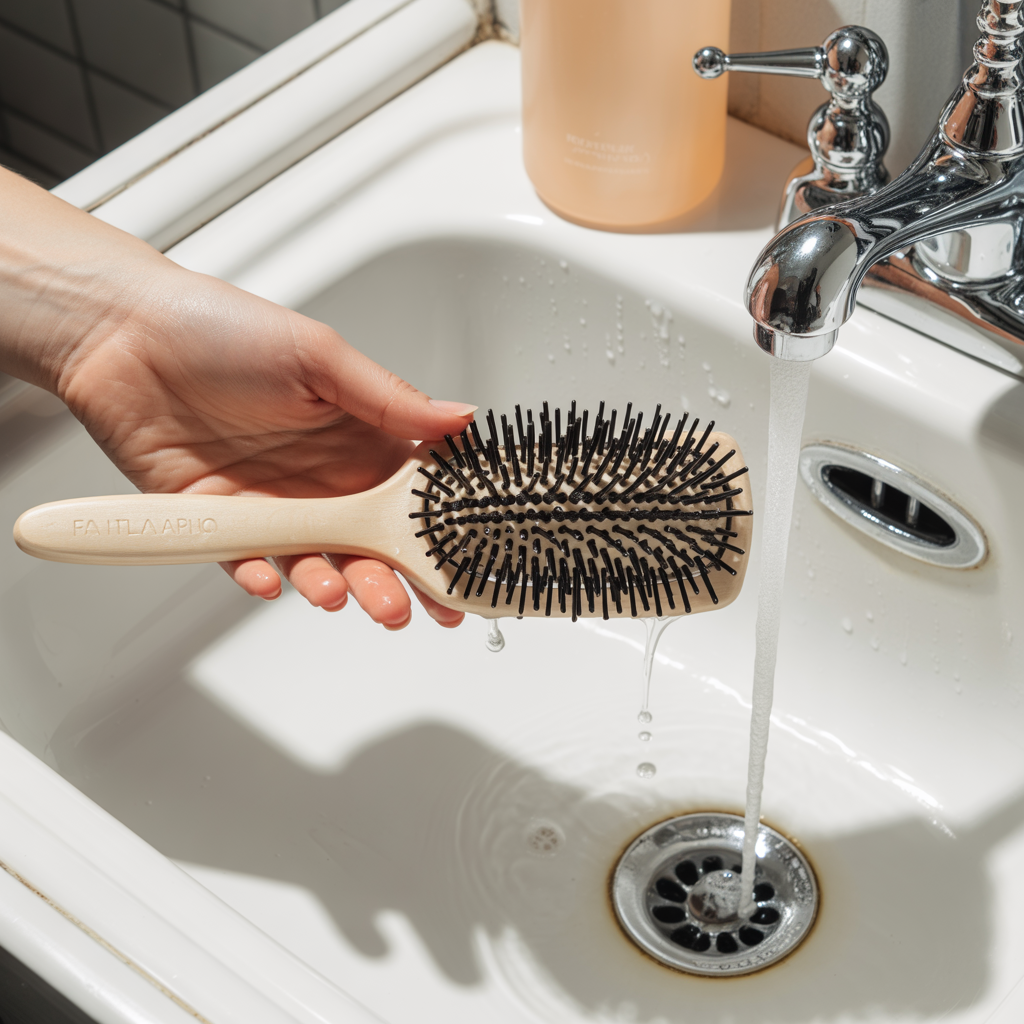
A dirty brush collects oil, dust, and product residue, which transfers back onto thin hair. Cleaning the brush at least once a week keeps it hygienic and ensures smoother brushing sessions. Fresh tools also protect scalp health.
Using Brushes Designed for Fine Hair
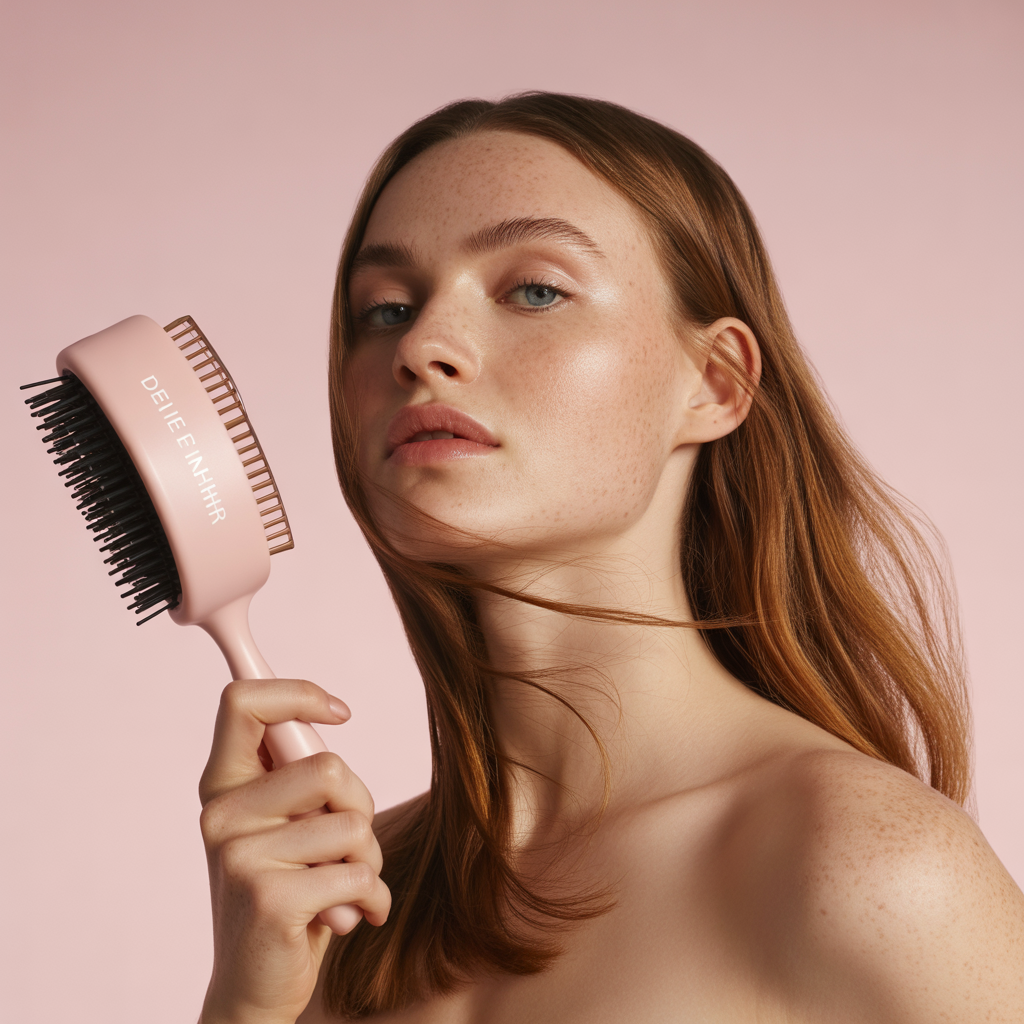
Special brushes for fine hair feature flexible bristles and lightweight designs. These brushes provide control without over-pressuring the scalp. Investing in one tailored to thin hair makes brushing safer and more effective.
Brushing for Scalp Circulation
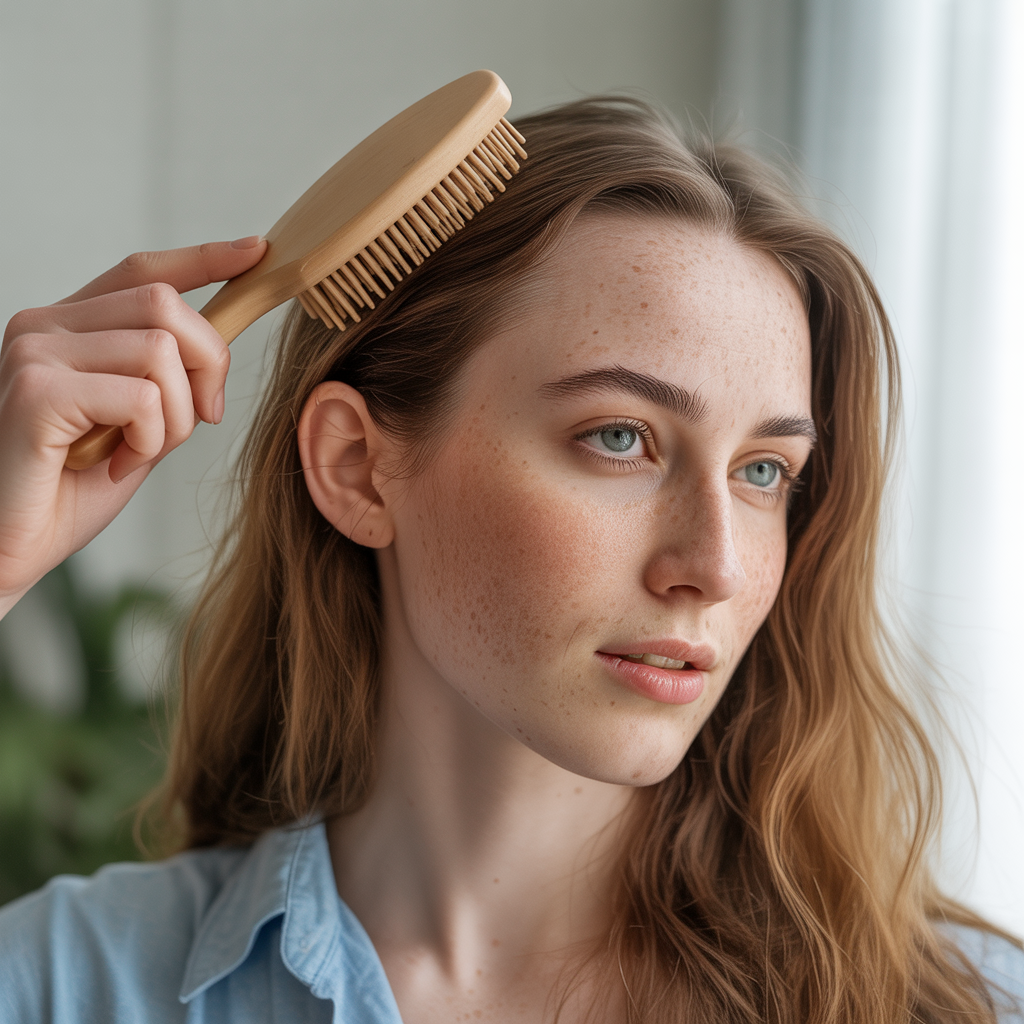
Gentle brushing stimulates circulation at the scalp, which supports healthier growth. Thin hair benefits from this light massage effect, as it strengthens roots and improves resilience. A few minutes daily is sufficient.
Brushing with Minimal Products
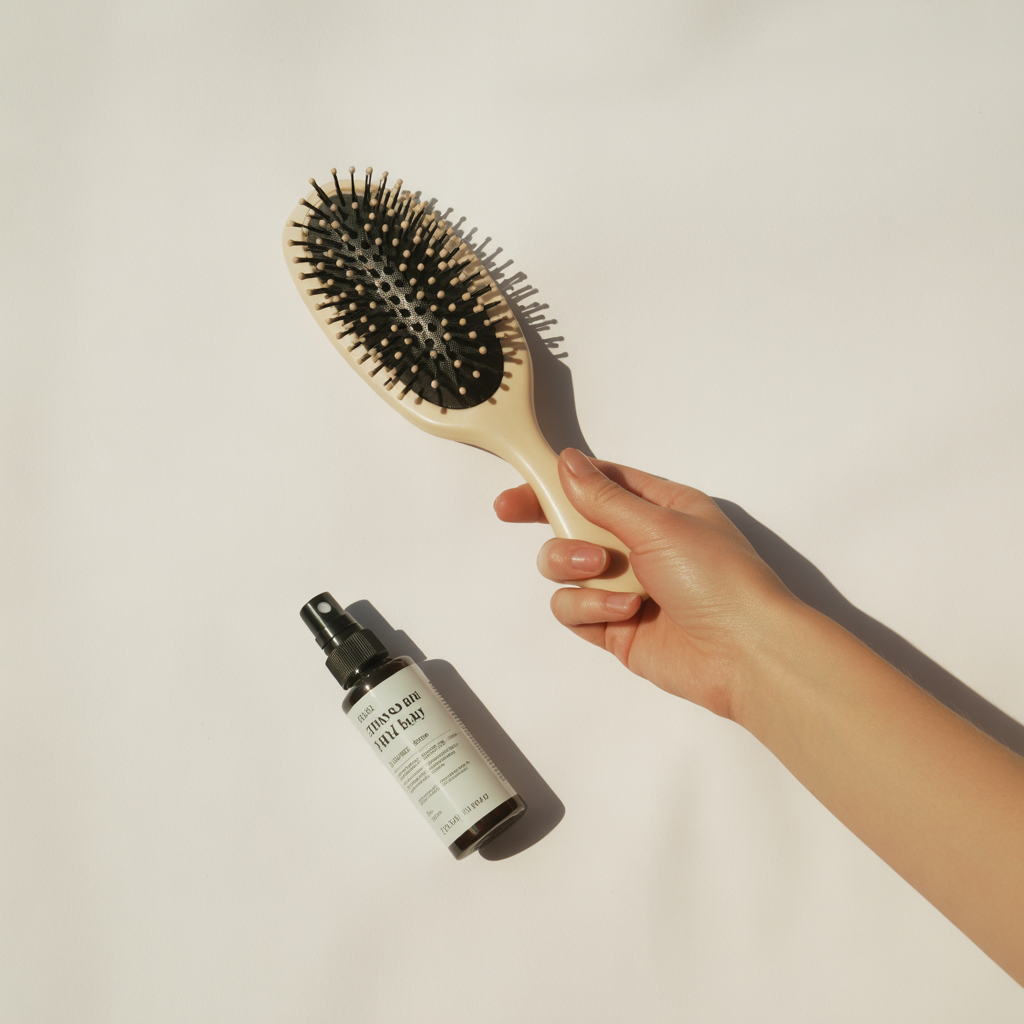
Heavy creams or oils can make brushing thin hair difficult by weighing strands down. Keeping products light allows the brush to move freely without creating buildup. Stick to sprays or lightweight conditioners.
Timing Brushing Sessions Wisely

The best time to brush thin hair is in the morning and before bed. Morning brushing refreshes hair for the day, while evening brushing removes dust and distributes oils evenly. Keeping a routine prevents tangles from developing overnight.
Avoiding Heat Right After Brushing
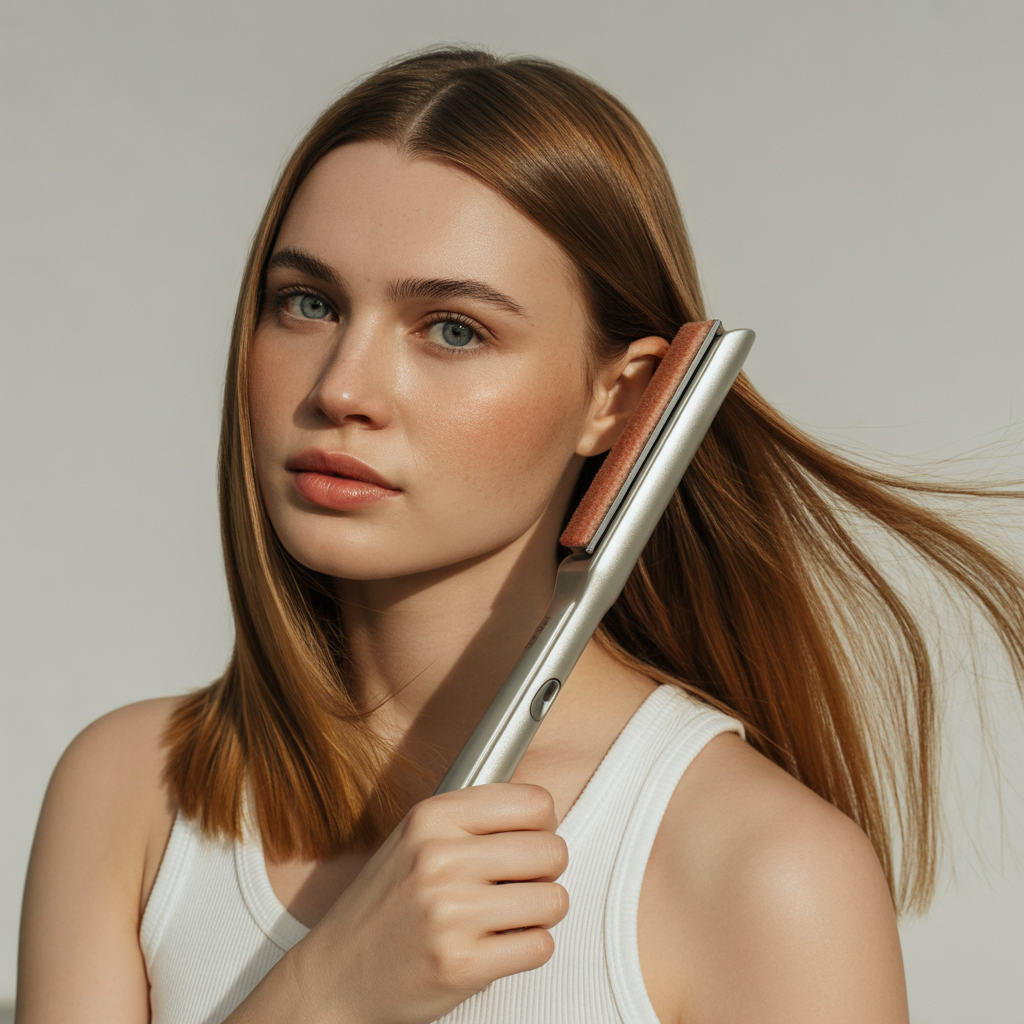
Thin hair is more vulnerable after brushing, so immediately applying heat tools can lead to damage. Allow hair to rest or use a protectant if styling. Brushing prepares strands, but protection is needed before applying heat.
FAQs on How to Brush Thin Hair
Is it better to brush thin hair wet or dry?
Brushing thin hair dry is generally safer. Wet strands are weaker and more prone to stretching or snapping. Use a wide-tooth comb if you must detangle damp hair.
How often should thin hair be brushed?
Once or twice daily is enough. Excessive brushing can lead to greasy buildup and weak strands, while skipping brushing causes tangles.
What brush works best for thin hair?
Soft bristle brushes, boar bristle brushes, or wide-tooth combs are best. They glide smoothly and prevent unnecessary damage.
Does brushing thin hair stimulate growth?
While brushing does not directly cause growth, it improves circulation and distributes oils. This creates a healthier scalp environment that supports stronger hair.
Can brushing thin hair too much cause hair loss?
Yes, aggressive or frequent brushing can weaken roots and break strands, leading to visible thinning. Gentle, limited brushing is best.
Conclusion
Learning how to brush thin hair properly protects fragile strands from damage and promotes healthier growth. By using the right tools, brushing in sections, and avoiding harsh tugging, you reduce breakage and preserve shine. Thin hair responds best to consistency, light products, and protective habits.
Final Thoughts
How to brush thin hair is less about force and more about strategy. Every stroke should be gentle, controlled, and intentional. With the right brush, supportive products, and careful technique, fine strands can look full, smooth, and resilient. Treat brushing as part of a larger care routine, and your hair will reward you with strength and beauty over time.


