How to Blow Dry Hair Without Heat Damage: 30 Proven Tips
Blow drying can make hair sleek, polished, and styled. But heat damage is real—it dries out strands, weakens cuticles, and leaves hair fragile. Learning how to blow dry hair without heat damage is about protection, preparation, and smart technique. With the right steps, you can style without sacrificing health.Here is the 30 best methods of how to blow dry hair without heat damage.Let’s explore it one by one.
Choosing the right dryer technology
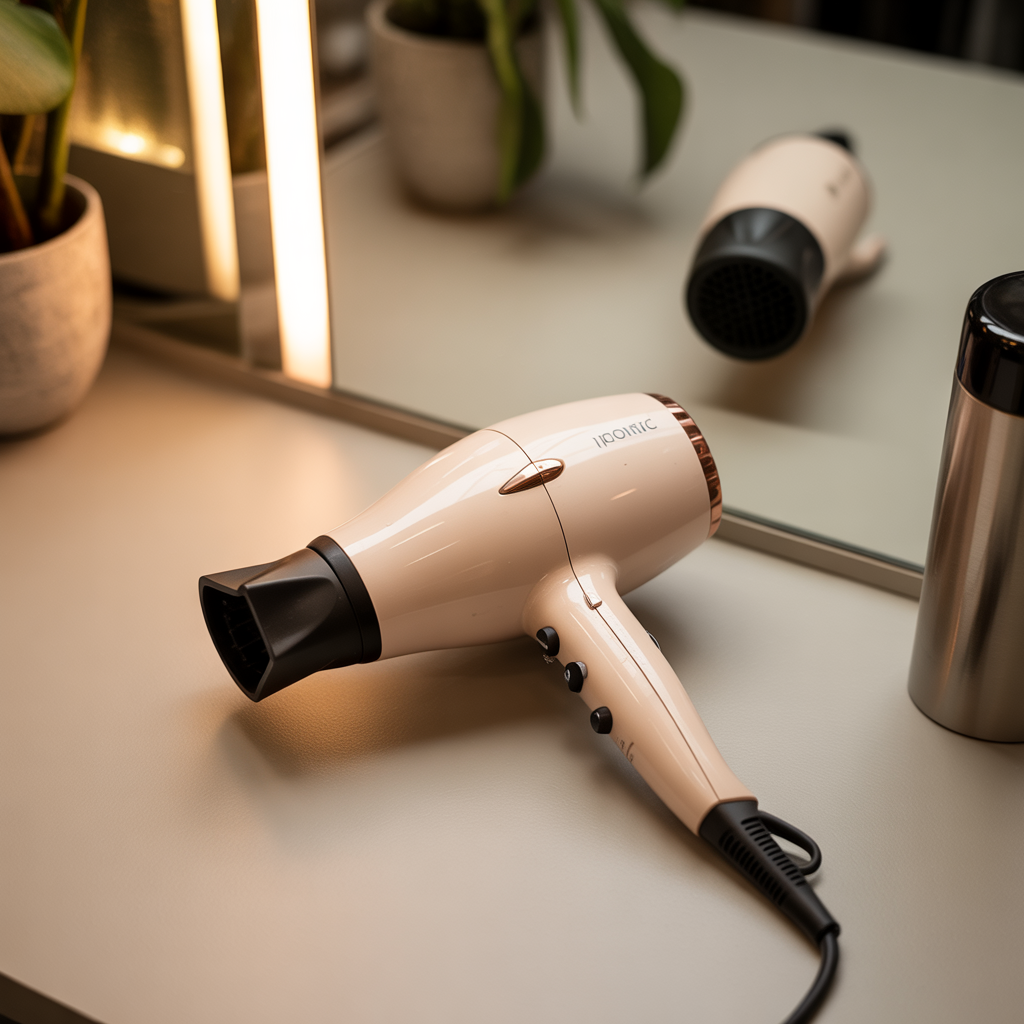
Not all blow dryers are equal. Ionic and ceramic dryers reduce drying time and distribute heat more evenly, lowering the risk of hot spots that fry hair.
Always use a heat protectant

Before styling, a heat protectant spray or cream is non-negotiable. It creates a barrier that locks in moisture and shields hair from direct heat.
Section hair before drying
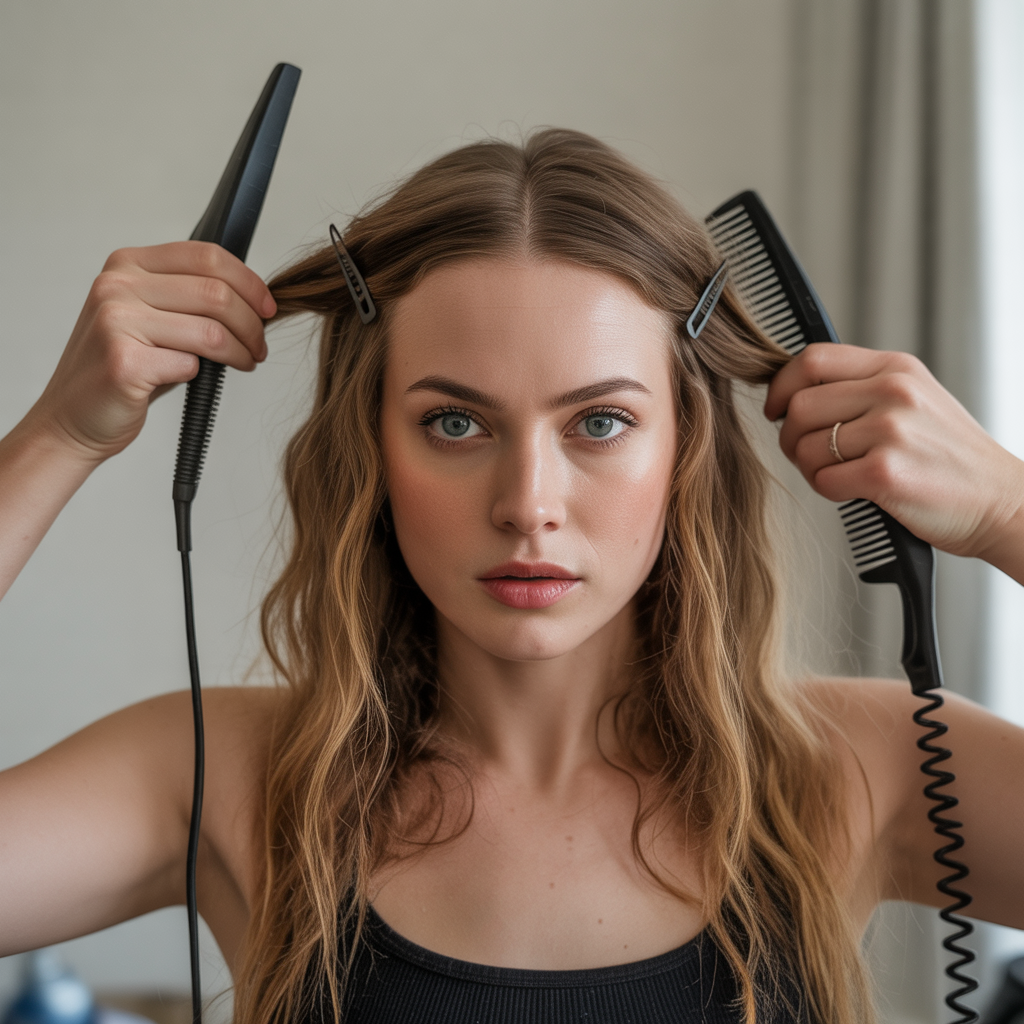
Working in sections makes blow drying faster and more controlled. This reduces repeated passes on the same strands, which causes breakage.
Microfiber towels to remove water

Excess water should be absorbed gently with a microfiber towel. This minimizes time under the dryer and avoids unnecessary stress on hair.
Keep dryer on the lowest setting

High heat isn’t always needed. Using the lowest effective heat and moderate airflow is a safer approach that reduces long-term damage.
Don’t blow dry dripping hair

Hair is weakest when wet. Start drying only after removing 70–80% of water with a towel or air dry to prevent cuticle damage.
Maintain safe distance while drying

Keep the dryer about six inches away from your hair. Holding it too close concentrates heat, causing dryness and frizz.
Visit here:how to get rid of pimples on hairline
Use a concentrator nozzle

A nozzle directs airflow precisely where needed, preventing scattered heat exposure. It helps in smooth styling with less heat damage.
Avoid constant back-and-forth passes

Excessive passes on one section overheat the cuticle. One steady, controlled pass per section is healthier than repeated blasting.
Choose the right brush

Round brushes with ceramic or boar bristles distribute heat better. They reduce tugging and protect strands during the drying process.
Detangle before blow drying

Knots increase friction and breakage under heat. Gently detangle with a wide-tooth comb before turning on the dryer.
Keep airflow downward

Always direct the dryer from roots to ends. This smooths cuticles, reduces frizz, and avoids the roughness caused by upward air blasts.
Never skip conditioner
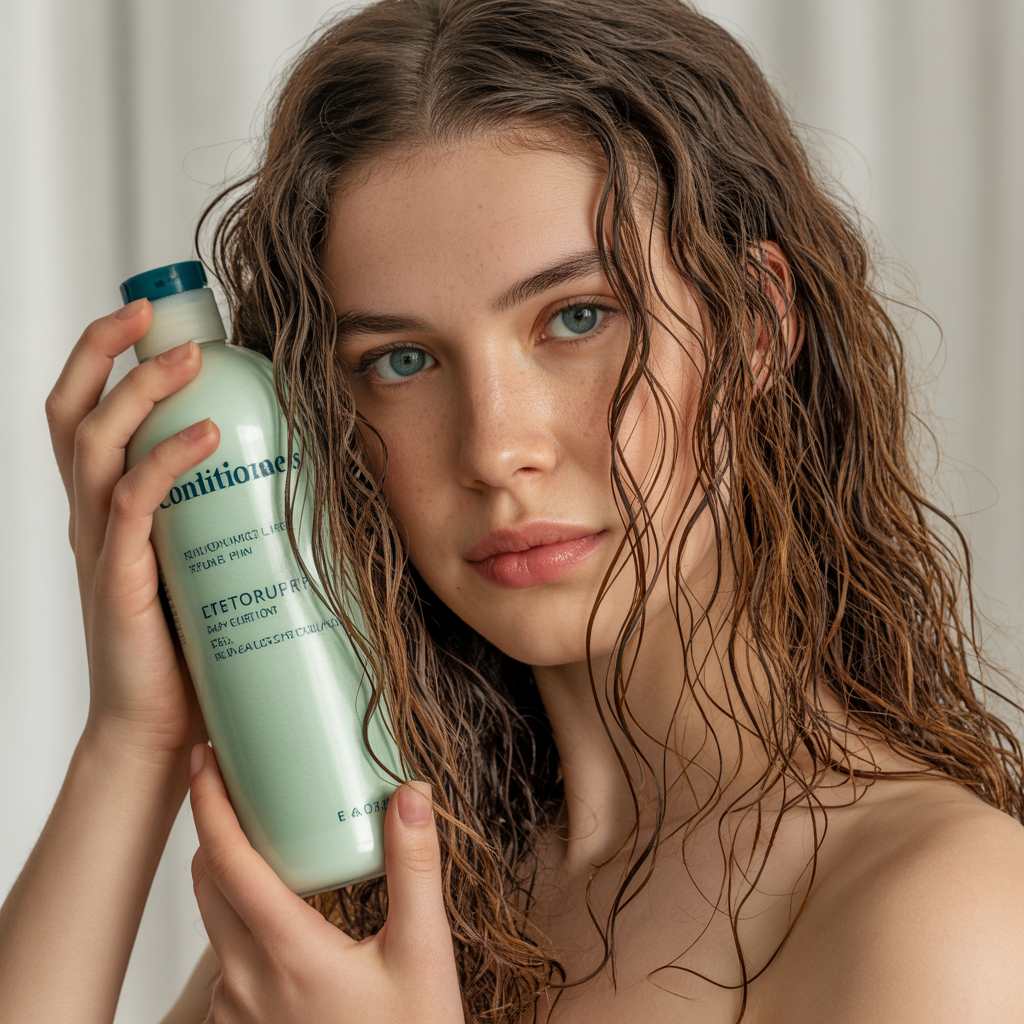
Conditioner provides slip and hydration that protect hair under heat. Skipping it leaves strands vulnerable to breakage.
Air dry partially before blow drying

Allowing hair to air dry for 10–15 minutes reduces overall heat exposure. Less time under the dryer means healthier strands.
Cold shot button for sealing cuticles
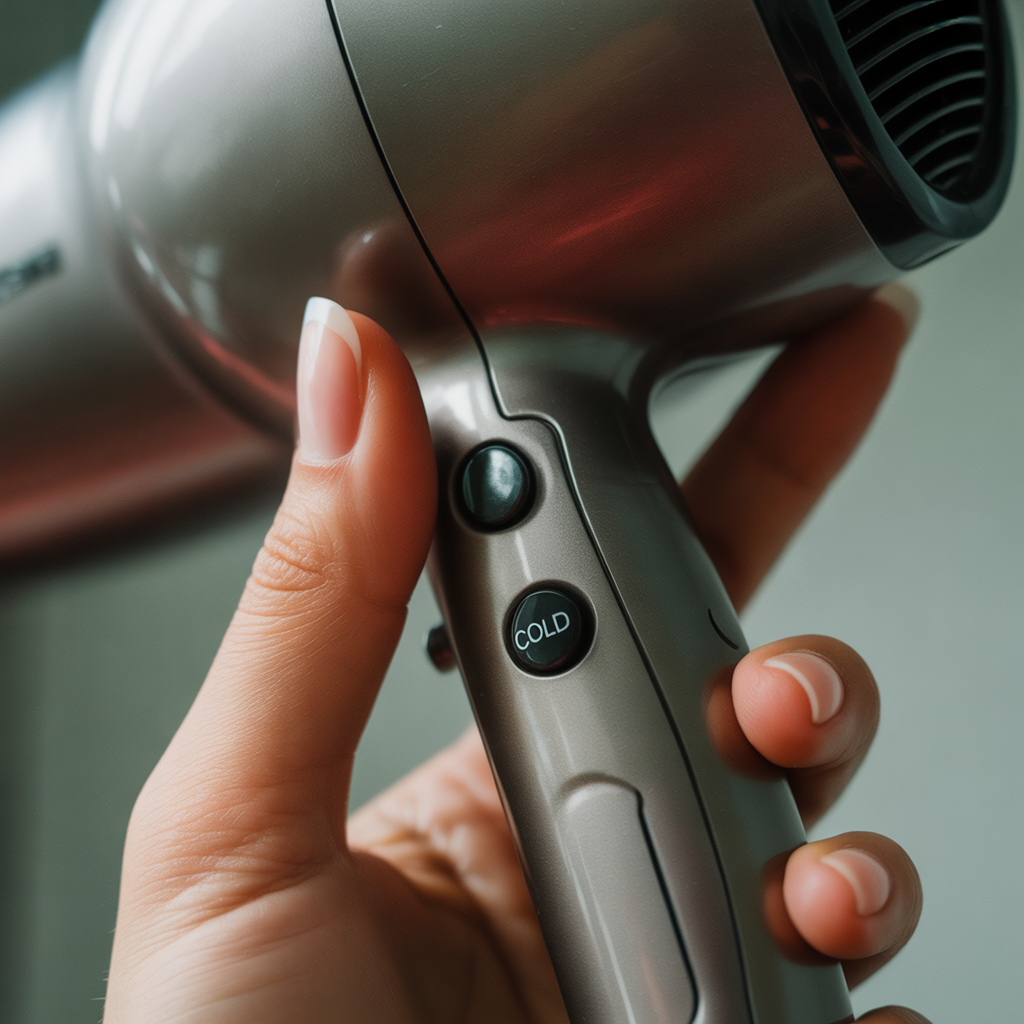
The cool setting locks in style, adds shine, and seals the cuticle layer. It’s the safest finish for a damage-free blow dry.
Don’t blow dry daily

Constant exposure to heat weakens hair fibers. Limit blow drying to two or three times a week to keep hair healthy.
Trim split ends regularly

Damaged ends are more vulnerable to heat. Regular trims keep hair stronger and reduce breakage during blow drying.
Use leave-in serums

Lightweight serums provide extra protection, reduce friction, and improve smoothness when exposed to warm airflow.
Stay away from old blow dryers
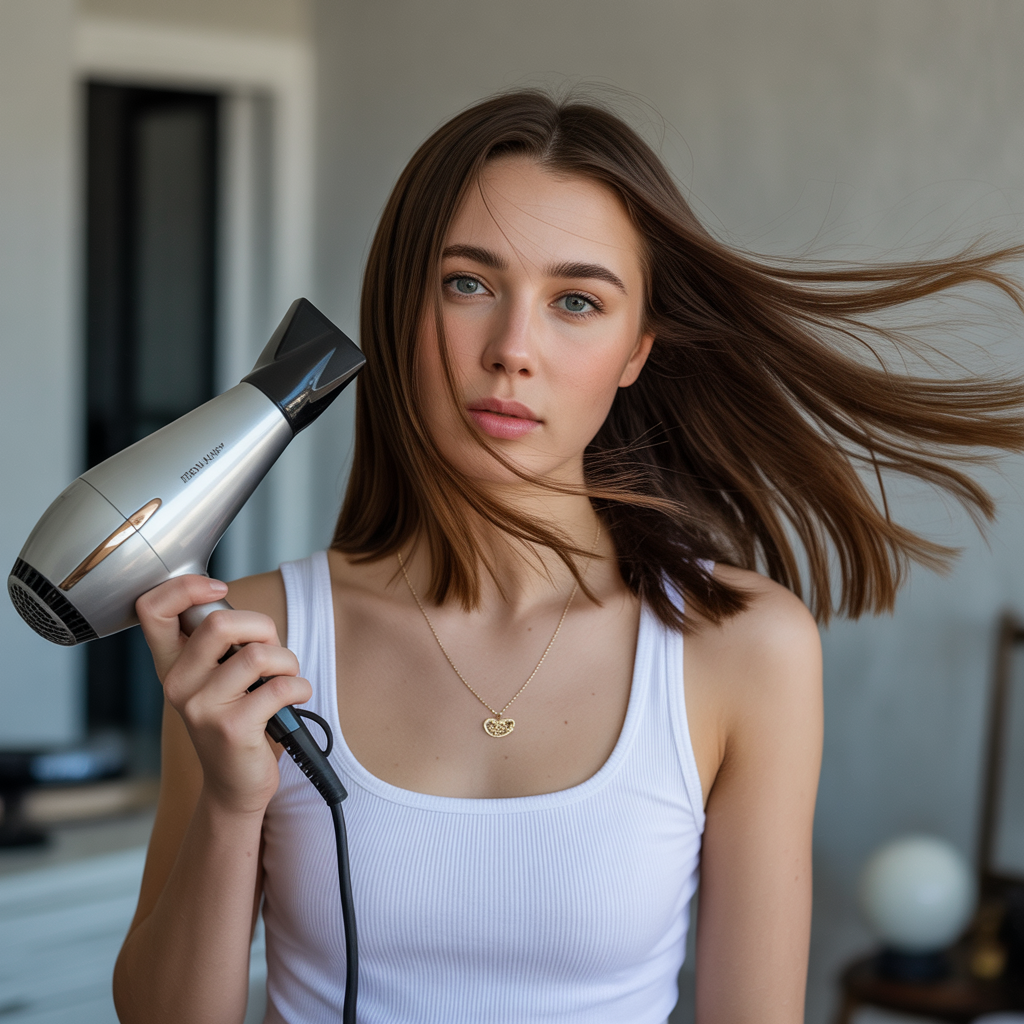
Outdated dryers often overheat and lack temperature control. Investing in a modern dryer reduces the risk of excessive heat damage.
Use diffusers for curls

Curls need special care. A diffuser attachment spreads airflow gently, reducing frizz and protecting curl structure from harsh heat.
Never blow dry dirty hair

Residue from styling products burns under heat, causing buildup and damage. Always start with clean, freshly washed hair.
Keep scalp health in mind

Excessive heat irritates the scalp. Avoid direct heat on the roots and keep focus on mid-lengths and ends.
Hydrate hair weekly

Weekly deep conditioning masks restore moisture stripped by heat. Hydration is a defense mechanism against long-term blow drying stress.
Protect color-treated hair

Dyed hair is fragile and heat-sensitive. Use color-safe sprays and low temperatures to maintain vibrancy while avoiding damage.
Avoid tugging with brushes

Harsh brushing while drying stretches and weakens strands. Gentle strokes keep hair intact and smooth without causing stress.
Never ignore natural texture

Working with your natural hair texture means less heat is needed. Embracing waves or curls reduces drying intensity.
Sleep with protective styles

After blow drying, loosely braid or tie hair in silk scrunchies. This reduces friction and preserves smoothness overnight.
Focus on ends last

Ends are the most fragile part of the hair. Dry roots first and leave ends for the final pass with low heat.
Alternate blow drying with air drying

Mixing in air-dry days reduces cumulative heat exposure. This habit helps maintain long-term hair strength.
Patience is the ultimate protector

Rushing with maximum heat is a recipe for damage. Taking time with safe techniques ensures hair stays resilient and strong.This is the last method of how to blow dry hair without heat damage.
FAQs on How to Blow Dry Hair Without Heat Damage
Why does blow drying damage hair?
Heat strips moisture and weakens the cuticle layer, leading to dryness, split ends, and breakage.
Can I blow dry daily without damage?
No. Frequent heat exposure builds up damage. Limit blow drying to a few times weekly for healthier hair.
What is the best temperature for blow drying safely?
Medium to low heat with steady airflow works best. Avoid maximum heat unless absolutely necessary.
Do heat protectant sprays actually work?
Yes. They form a barrier, reduce moisture loss, and minimize the direct impact of heat on the hair shaft.
Is air drying better than blow drying?
Air drying is gentler but may not suit every style. Combining partial air drying with minimal heat is the safest balance.
Conclusion Of How to Blow Dry Hair Without Heat Damage
Styling doesn’t have to mean sacrificing hair health. By using the right tools, prepping hair correctly, and practicing safer techniques, you can master how to blow dry hair without heat damage. Protecting your strands is not about avoiding styling—it’s about balance, patience, and smart choices. With consistent care, your hair can stay smooth, strong, and free from heat stress.