
20 Best Tips to Heal and Prevent Dry Scalp During Winter
When the cold air arrives, hair and scalp often suffer. The lack of moisture, indoor heating, and harsh winds combine to make the skin on your head tight and flaky. A dry scalp during winter can feel itchy, irritated, and uncomfortable. The problem is common, but it can be managed with the right habits and care. This guide explores twenty practical ideas that can ease the discomfort and bring back hydration.
Switch to a Gentle Shampoo

Many shampoos contain sulfates and harsh chemicals that strip natural oils. In cold months, these formulas worsen the problem. To ease dry scalp during winter, choose a mild shampoo with moisturizing properties. Look for ingredients like aloe vera, coconut oil, or shea butter. Washing with a gentle cleanser preserves natural oils and keeps the scalp from feeling raw.
Use Lukewarm Water
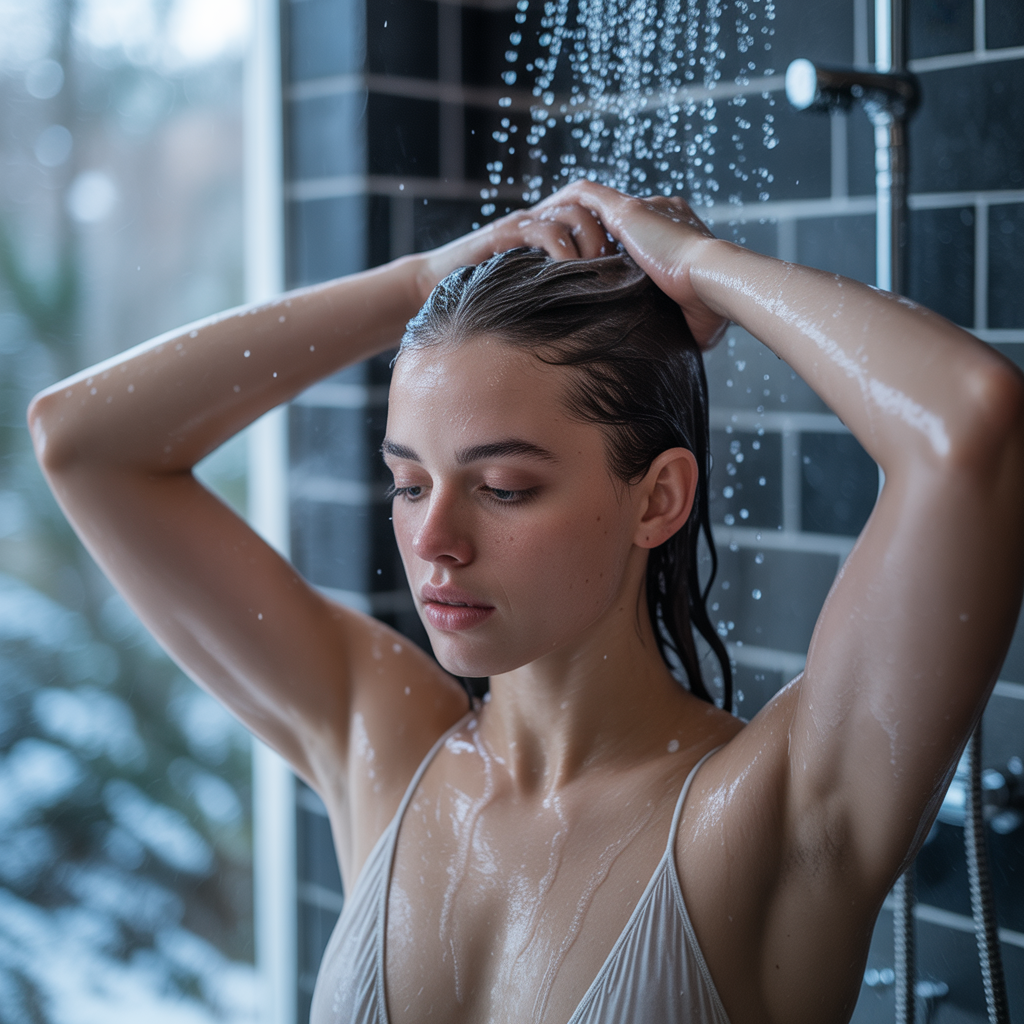
Hot showers may feel comforting in winter, but they dehydrate skin and scalp. Scalding water washes away protective oils and makes dryness worse. Switching to lukewarm water helps. It cleanses effectively without damaging the scalp’s natural barrier. This simple change is powerful for keeping hydration intact.
Deep Condition Weekly
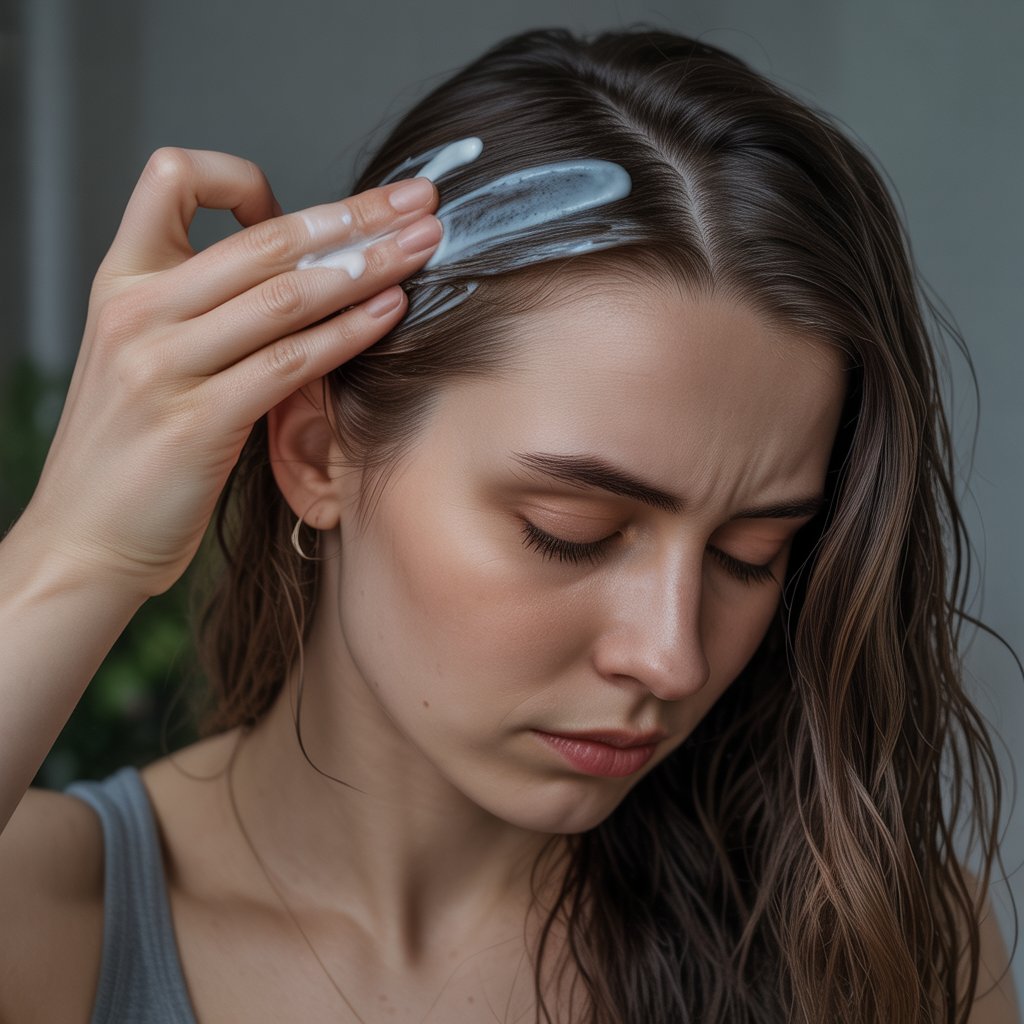
A weekly deep conditioning routine works wonders. Products with argan oil, avocado, or keratin nourish the scalp and reduce flaking. Regular conditioning creates a moisture shield that counters the dryness caused by winter air. For best results, apply conditioner directly on the scalp and massage gently.
Massage with Natural Oils

Natural oils like jojoba, almond, or olive oil provide direct relief. Massaging these oils into the scalp improves blood circulation and locks in moisture. During cold months, a warm oil massage once or twice a week can soothe irritation and strengthen hair roots. This is one of the oldest remedies for dry scalp during winter, and it still works.
Humidify Indoor Air

Indoor heating systems dry out the air, leaving the scalp vulnerable. A simple humidifier can add much-needed moisture back into the environment. Keeping humidity levels balanced helps prevent flaking and itchiness. Even placing bowls of water near heaters can make a difference.
Stay Hydrated from Within

Hydration is not only external. Drinking enough water throughout the day supports scalp health. Cold weather often dulls thirst, making people forget to drink. Yet, dehydration directly contributes to scalp dryness. Herbal teas, warm lemon water, or plain water keep the body and scalp moisturized.
Avoid Overwashing

Daily shampooing strips away natural oils that protect the scalp. In winter, this practice is especially harmful. Washing every two to three days instead of daily helps maintain the natural balance. This way, the scalp retains its protective barrier while staying clean.
Choose a Nourishing Hair Mask
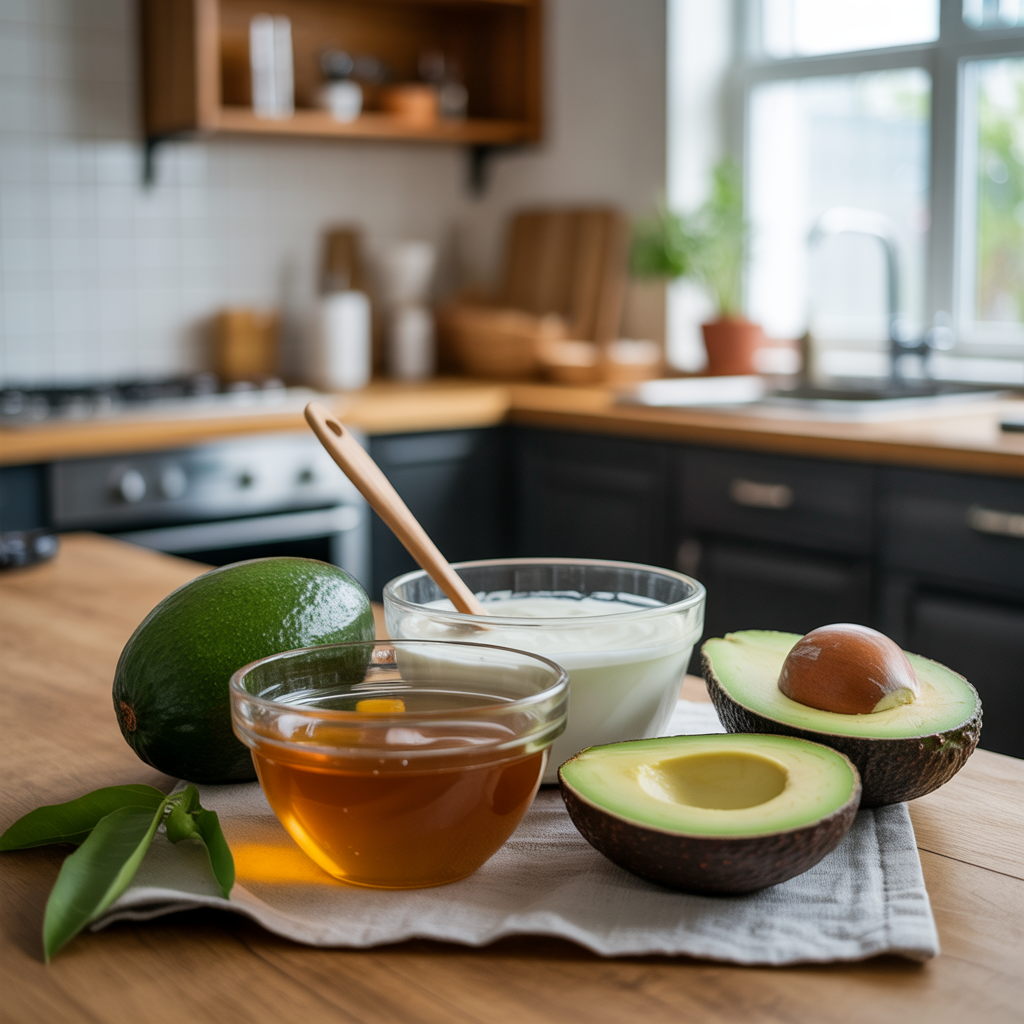
Hair masks provide intensive care. Masks with honey, yogurt, or banana can replenish lost moisture. Applying a mask once a week keeps both hair and scalp soft. These treatments are rich in vitamins and fatty acids that combat dryness effectively.
Protect Scalp from Cold Winds

Cold winds can be harsh on exposed skin. Wearing a hat or scarf outdoors prevents moisture loss and shields the scalp. Choose breathable fabrics like cotton or wool blends to avoid trapping sweat, which can irritate the scalp. Simple protection makes a noticeable difference in managing dry scalp during winter.
Visit here:how to make my hair shine
Limit Heat Styling
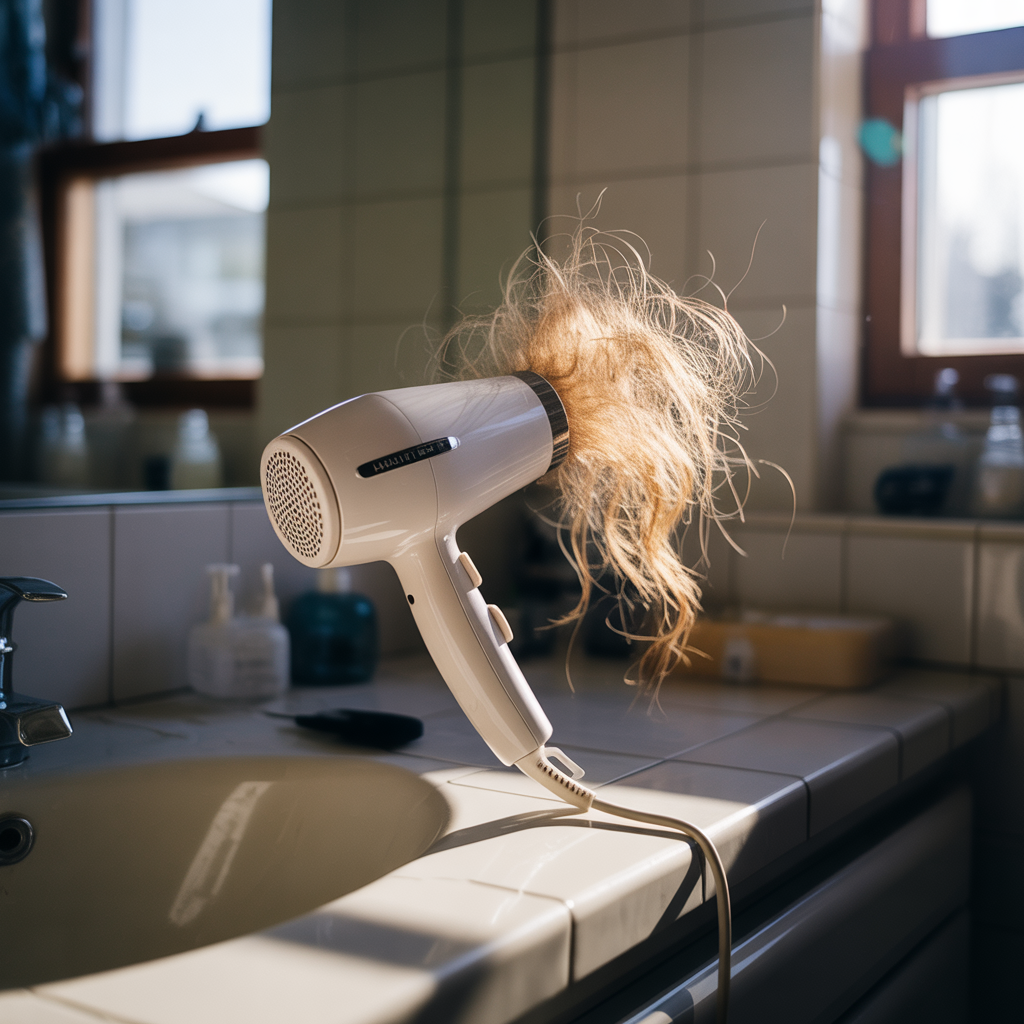
Frequent use of hair dryers, straighteners, and curling irons worsens dryness. The heat depletes natural oils and leaves the scalp irritated. Reducing the use of these tools or switching to a lower heat setting helps preserve moisture. Air drying when possible is the healthiest choice.
Eat Omega-Rich Foods

Nutrition plays a vital role in scalp health. Foods rich in omega-3 fatty acids, such as salmon, walnuts, and flaxseeds, boost hydration from within. These healthy fats maintain skin elasticity and reduce inflammation. A balanced diet with omega-rich foods improves resilience against scalp dryness.
Try Aloe Vera Gel
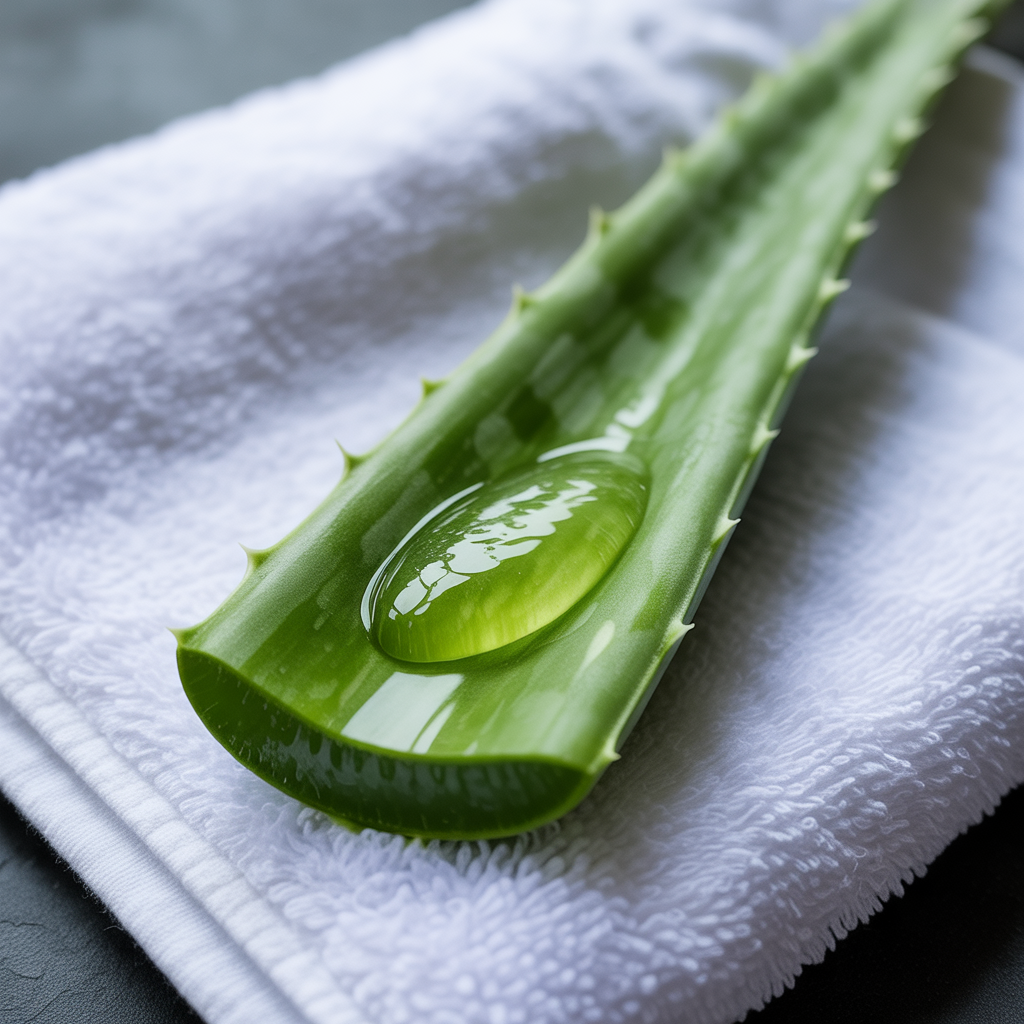
Aloe vera gel has natural soothing and moisturizing properties. Applying it directly to the scalp reduces itchiness and flaking. Aloe also promotes healing of minor irritations caused by winter dryness. It’s lightweight, so it hydrates without leaving a greasy residue.
Avoid Alcohol-Based Products

Hair sprays, gels, and styling foams often contain alcohol. These ingredients dry out the scalp even more. During winter, limiting or avoiding such products helps preserve moisture levels. Opt for alcohol-free alternatives that provide hold without irritation.
Exfoliate the Scalp Gently
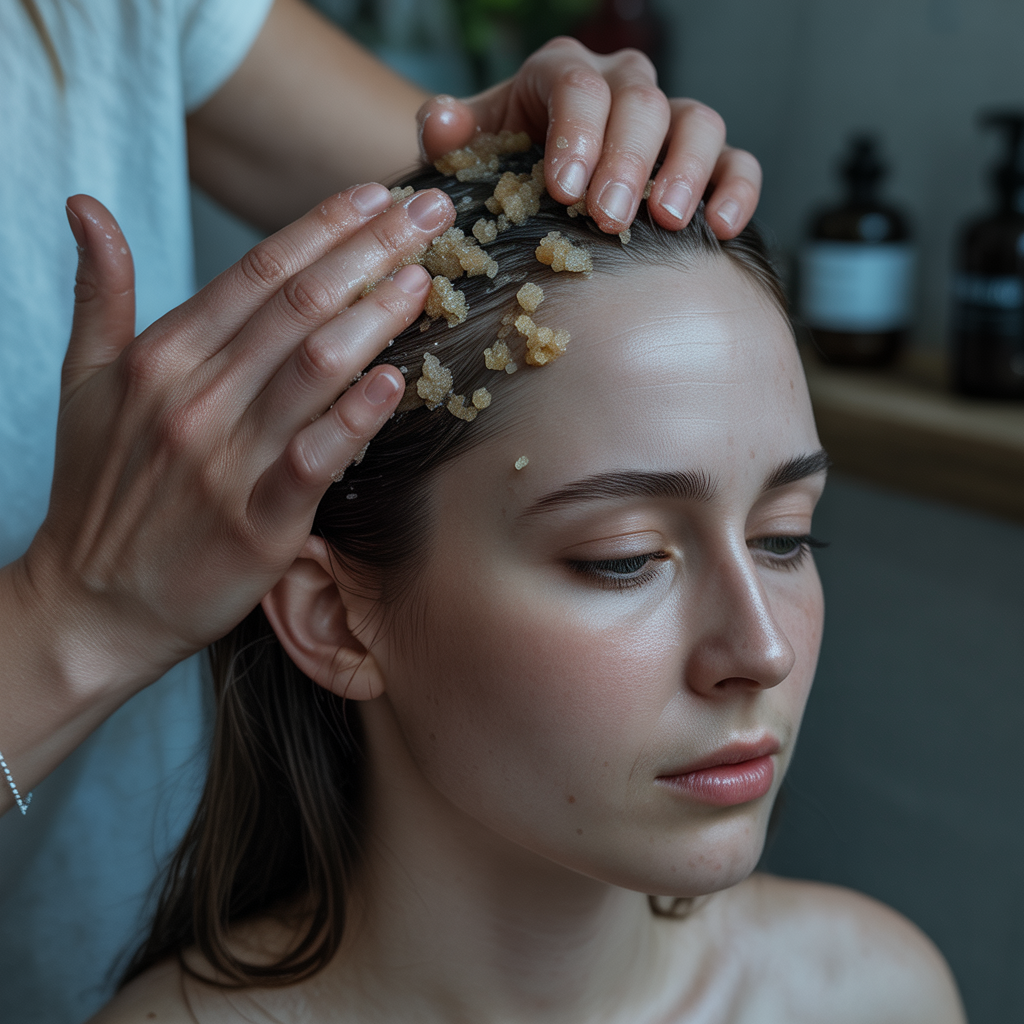
Just like skin, the scalp benefits from exfoliation. Dead skin cells and product buildup contribute to flakiness. Using a mild scalp scrub once every two weeks keeps pores clear and improves absorption of oils and treatments. Over-exfoliation, however, must be avoided.
Balance Diet with Vitamins

Vitamins like B, C, and E are critical for scalp health. B vitamins improve blood flow, vitamin C aids collagen production, and vitamin E locks in moisture. Adding leafy greens, citrus fruits, nuts, and seeds to the diet provides these essential nutrients. A healthy diet supports external care efforts.
Protect Hair While Sleeping

The scalp can lose moisture overnight, especially in heated rooms. Sleeping on a silk or satin pillowcase reduces friction and helps retain hydration. Wrapping hair loosely with a breathable scarf also prevents excessive dryness. These small steps protect the scalp during long hours of rest.
Use Herbal Rinses
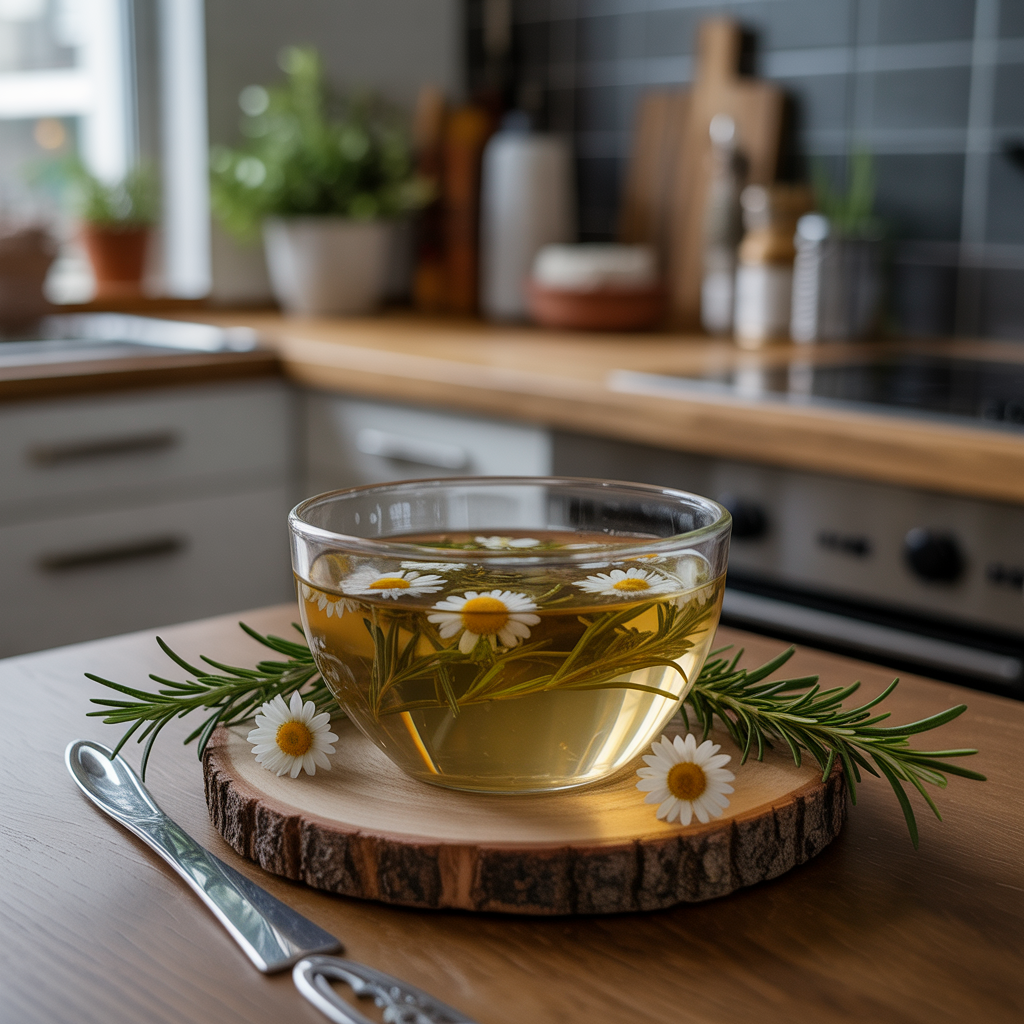
Herbal rinses such as chamomile, rosemary, or green tea provide natural relief. They calm irritation, reduce dandruff, and hydrate the scalp. After shampooing, rinsing with cooled herbal tea adds nutrients and moisture. This method is both soothing and chemical-free.
Reduce Stress Levels

Stress directly affects skin and scalp conditions. During winter, stress combined with dryness worsens flaking. Practices like meditation, yoga, or even short walks can lower stress and improve circulation. A calm mind often results in healthier skin and scalp.
Switch to Moisturizing Hair Serum

Leave-in serums lock moisture into the scalp for longer hours. Serums containing hyaluronic acid, argan oil, or glycerin are effective. Applying a few drops on damp scalp creates a protective shield against cold air and dry indoor heat.
Consult a Dermatologist if Needed

Sometimes scalp dryness is not seasonal but linked to conditions like eczema or psoriasis. If symptoms persist despite regular care, professional advice is essential. Dermatologists can prescribe medicated shampoos or treatments that address the root cause. Seeking help ensures long-term relief from dry scalp during winter.
FAQs
How do I know if it’s dry scalp during winter or dandruff?
Dry scalp usually leads to small, white flakes with itchiness, while dandruff may cause larger, oily flakes. Winter dryness often feels tight and improves with moisture.
Can a humidifier really help with scalp dryness?
Yes. Humidifiers add moisture to indoor air, reducing the drying effects of heating systems. This benefits both skin and scalp.
Is coconut oil good for dry scalp during winter?
Coconut oil works well as it penetrates deeply into the scalp, providing hydration and preventing flaking. It should be applied sparingly to avoid greasiness.
Should I avoid hats in winter to prevent dry scalp?
No. Hats protect the scalp from cold winds. Just choose breathable fabrics to prevent trapped sweat, which can worsen irritation.
How often should I wash my hair if I have a dry scalp during winter?
Washing two to three times a week is usually enough. This prevents buildup without stripping essential oils.
Conclusion
Managing a dry scalp during winter requires consistent care and attention. Small changes such as switching to a gentle shampoo, using oils, eating nutrient-rich foods, and keeping indoor air moist can create noticeable improvements. The scalp responds best to a routine that balances external and internal hydration.
Final Thoughts
A dry scalp during winter is not inevitable. With conscious adjustments to hair care, lifestyle, and environment, the discomfort can be minimized. Staying hydrated, protecting the scalp, and using nourishing treatments bring lasting relief. The season may be cold, but your scalp can remain healthy, balanced, and comfortable.