
20 How to Fix Damaged Thin Hair Without Weighing It Down
Thin hair is already fragile, and when damage enters the picture, it becomes even harder to manage. Breakage, split ends, dryness, and lack of volume are common struggles. But damaged thin hair is not a lost cause. With the right methods, you can restore strength, reduce breakage, and protect strands for the long run. Below are twenty effective approaches to handle and heal fragile locks.
Use a Gentle Shampoo

Damaged thin hair cannot tolerate harsh cleansers. Sulfates and heavy detergents strip away the natural oils needed for resilience. Switching to a sulfate-free formula cleanses without weakening fragile strands.
Condition with Care
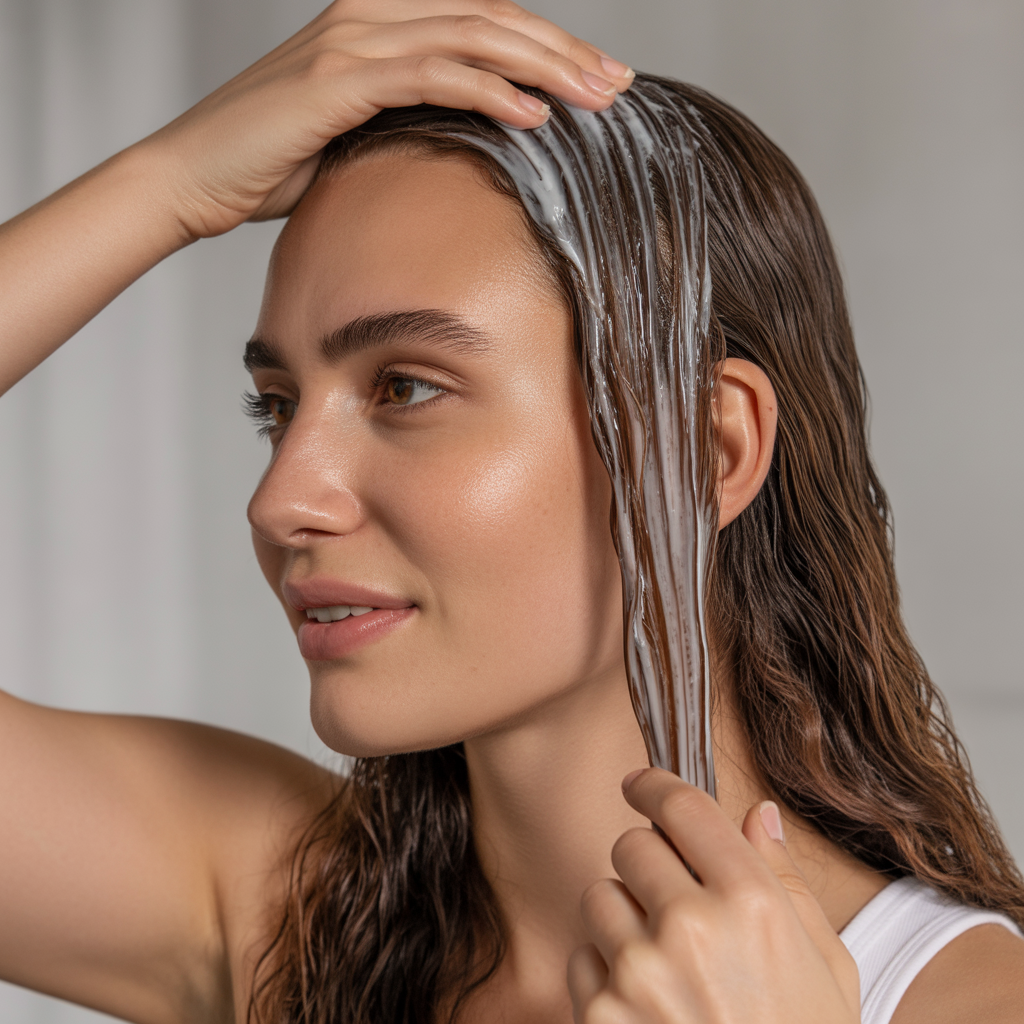
Conditioner is necessary, but excess can weigh hair down. Apply only to mid-lengths and ends. This hydrates and repairs where needed while keeping roots light and airy.
Reduce Heat Exposure
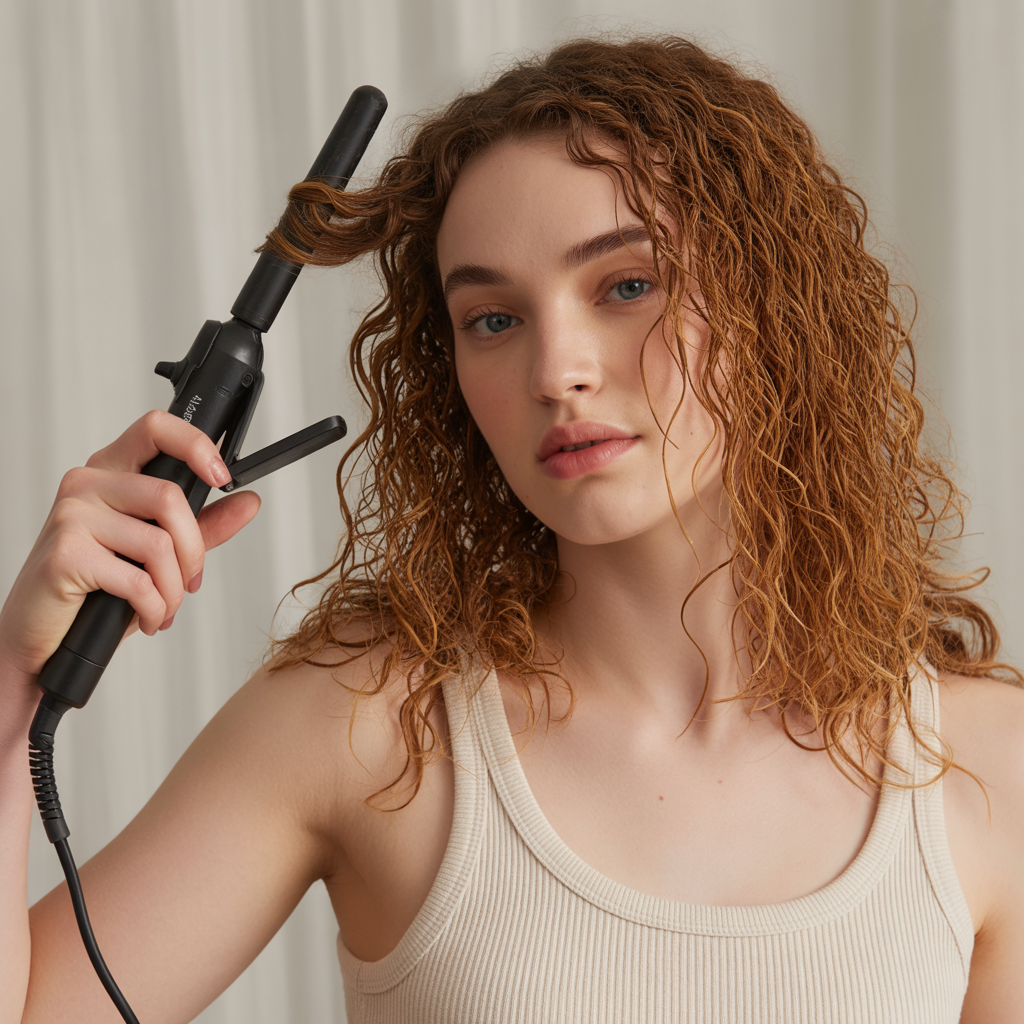
Thin hair burns faster than thick strands. Keep heat styling to a minimum. If curling or straightening is unavoidable, use a low temperature and a protective spray.
Dry Hair with Microfiber Towels

Regular towels cause friction that leads to breakage. Microfiber towels absorb water gently, reducing stress on delicate cuticles and protecting damaged thin hair.
Trim Regularly

Split ends on thin hair climb upward, worsening damage. Frequent trims every six to eight weeks maintain healthy ends and prevent frayed strands from spreading.
Sleep on Silk

Friction from cotton pillowcases causes hair to snap. Silk pillowcases minimize tangles and moisture loss, giving thin strands a smoother surface to glide on overnight.
Add Protein Treatments

Protein strengthens weak spots within the hair shaft. A light protein mask every couple of weeks helps restore structure in damaged thin hair. Avoid overuse to prevent stiffness.
Balance Hydration and Strength

Moisture keeps hair flexible, while protein repairs. Both are needed for recovery. Alternate between hydrating masks and strengthening treatments for optimal results.
Massage the Scalp Gently
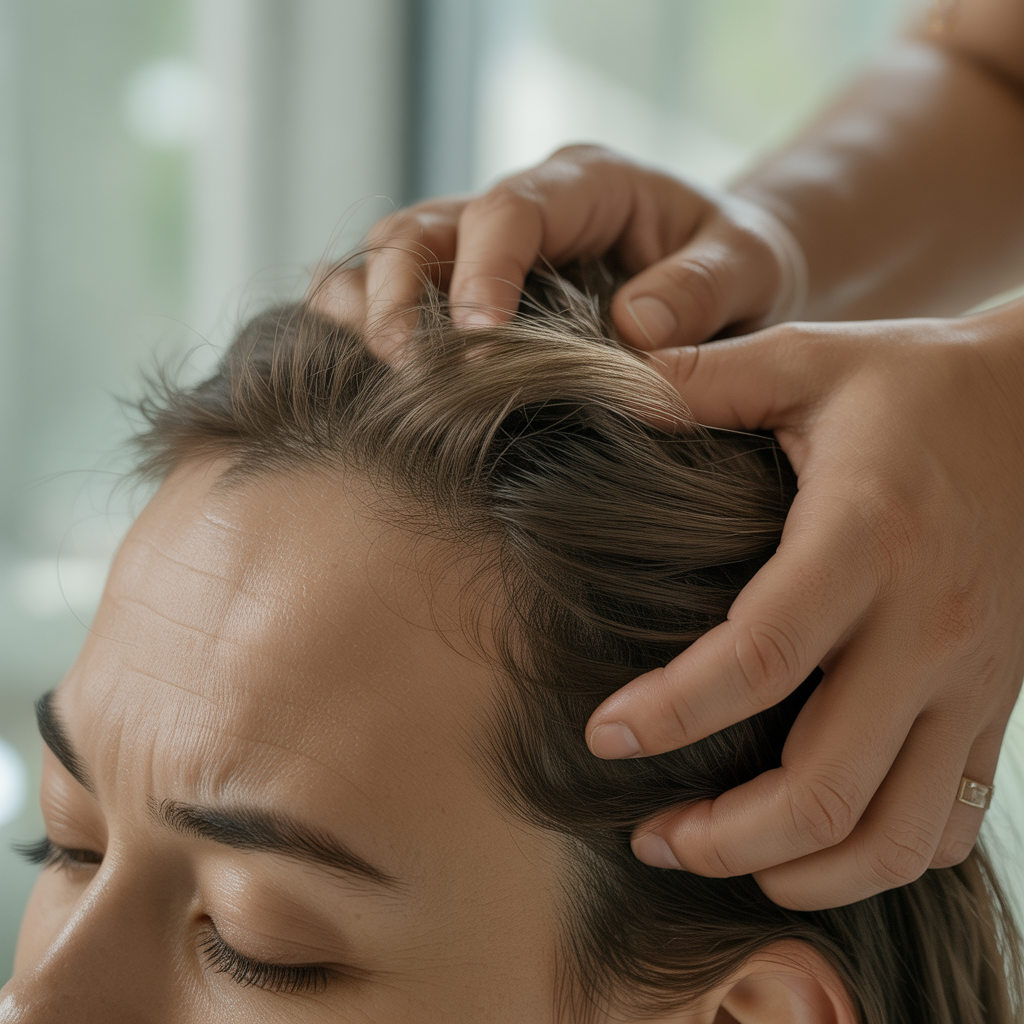
Healthy hair growth starts at the scalp. A soft massage with fingertips or lightweight oils stimulates circulation, delivering nutrients to roots without stressing thin strands.
Switch to Wide-Tooth Combs

Brushing weak strands can cause snapping. A wide-tooth comb glides through hair with minimal pulling, keeping damaged thin hair intact during detangling.
Shield from UV Damage

The sun can be as harmful as hot tools. UV rays weaken fragile strands. Use protective sprays with SPF or wear hats to defend hair outdoors.
Visit this how to curl thin hair.
Choose Loose Hairstyles

Tight braids, ponytails, or buns tug at delicate roots, leading to thinning. Soft, loose styles relieve pressure and allow damaged thin hair to recover.
Use Lightweight Leave-Ins

Leave-in conditioners protect against environmental stress. Pick lightweight formulas that won’t collapse volume but still strengthen fragile strands.
Apply Nutrient-Rich Oils

Oils like argan or jojoba penetrate thin hair without greasiness. They seal in hydration and repair rough cuticles, improving smoothness and resilience.
Rinse with Cool Water

Hot water lifts cuticles, making hair rougher. Cool water seals cuticles, locks in shine, and reduces frizz. It’s an easy step to protect damaged thin hair.
Wash Less Often

Over-washing removes natural oils and worsens dryness. Two to three washes per week are enough. Dry shampoo helps extend freshness between washes.
Support Hair with Nutrition

External care works better with internal support. Biotin, zinc, and omega-3s are proven to strengthen strands. A nutrient-rich diet gives damaged thin hair what it needs to grow healthier.
Try Bond-Building Products

Bond repair treatments reconnect broken structures inside the hair shaft. Occasional use improves elasticity and restores stability in fragile thin strands.
Minimize Chemical Exposure

Bleach, dyes, and perms strip fragile hair. If coloring is necessary, ask for gentle formulas and longer intervals between treatments to limit damage.
Stay Consistent

The secret to repairing damaged thin hair is consistency. Regular gentle washing, protective products, and patient trimming create visible improvement over time.
FAQs
Is damaged thin hair reversible?
Not fully. Split ends cannot be repaired and must be trimmed. However, strength, softness, and shine can be restored with proper care.
Does heat always damage thin hair?
Heat weakens the structure, especially in delicate strands. Using low temperatures and heat protectant reduces the impact but cannot eliminate it.
Can thin hair become thicker after damage?
Hair cannot change in diameter, but healthy growth reduces breakage, making it appear fuller. Preventing damage makes thin hair look denser.
Are salon treatments safe for damaged thin hair?
Yes, but choose bond-repair or protein treatments instead of harsh chemicals. Ask your stylist for fine-hair-specific solutions.
How long does recovery take for damaged thin hair?
Improvement usually appears after six to eight weeks of consistent care. Full recovery may take several months depending on the extent of damage.
Conclusion
Damaged thin hair is fragile but not beyond saving. A gentle approach—less heat, fewer chemicals, lightweight care, and proper nourishment—creates long-term strength. Protecting strands from friction, trimming split ends, and balancing protein with hydration leads to real change. Over time, fragile locks regain shine, softness, and resilience.
Final Thoughts
Hair that is thin and damaged needs patience and protection. Progress is gradual, but every small effort contributes to stronger, healthier strands. With steady care, fragile hair transforms into hair that not only looks better but also resists future damage. Damaged thin hair is a challenge, but with consistency, it becomes manageable and far less fragile.