

30 Best Solutions on How to Remove Hard Water Build Up from Hair
Hard water can strip shine, weigh strands down, and leave hair looking lifeless. If your locks feel dull no matter what shampoo you use, mineral buildup may be the hidden culprit. Learning how to remove hard water build up from hair restores softness, shine, and manageability without expensive salon treatments. Below are effective strategies(how to remove hard water build up from hair) to reclaim your hair’s health.
Understanding hard water damage on hair

Hard water is rich in calcium and magnesium. When these minerals settle on hair, they form a rough film that blocks moisture and weakens strands. Understanding how to remove hard water build up from hair begins with recognizing its signs—dryness, frizz, tangles, and even color fading.
Why your hair feels sticky after showering

That sticky, heavy feeling isn’t leftover shampoo—it’s mineral residue. Each wash adds another layer, making hair less responsive to conditioners and oils. To restore softness, you need methods designed to dissolve that residue and remove hard water build up from hair at the root level.
Apple cider vinegar rinse for mineral removal
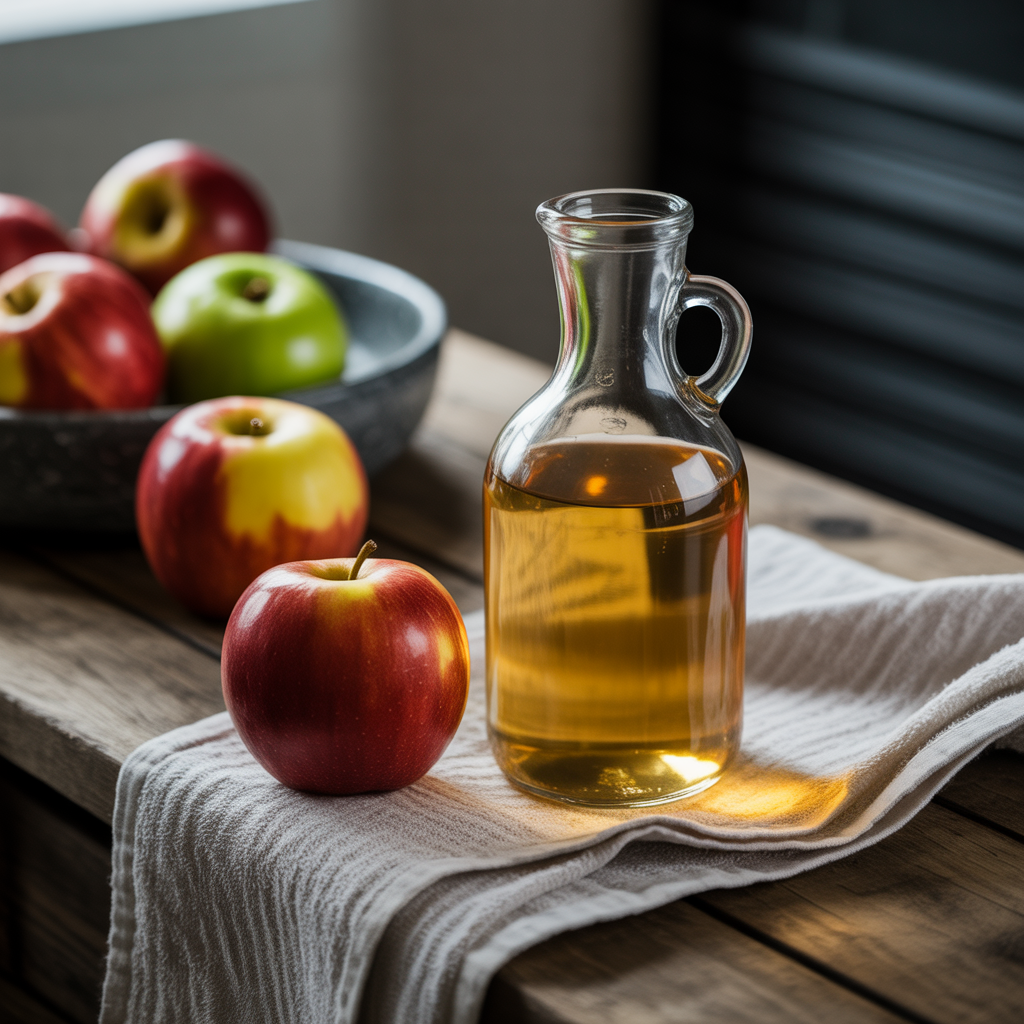
Apple cider vinegar works as a natural clarifier. Its mild acidity helps break down minerals stuck to the cuticle while balancing scalp pH. A weekly rinse is one of the safest ways to remove hard water build up from hair without stripping natural oils.
Lemon rinse for brightness
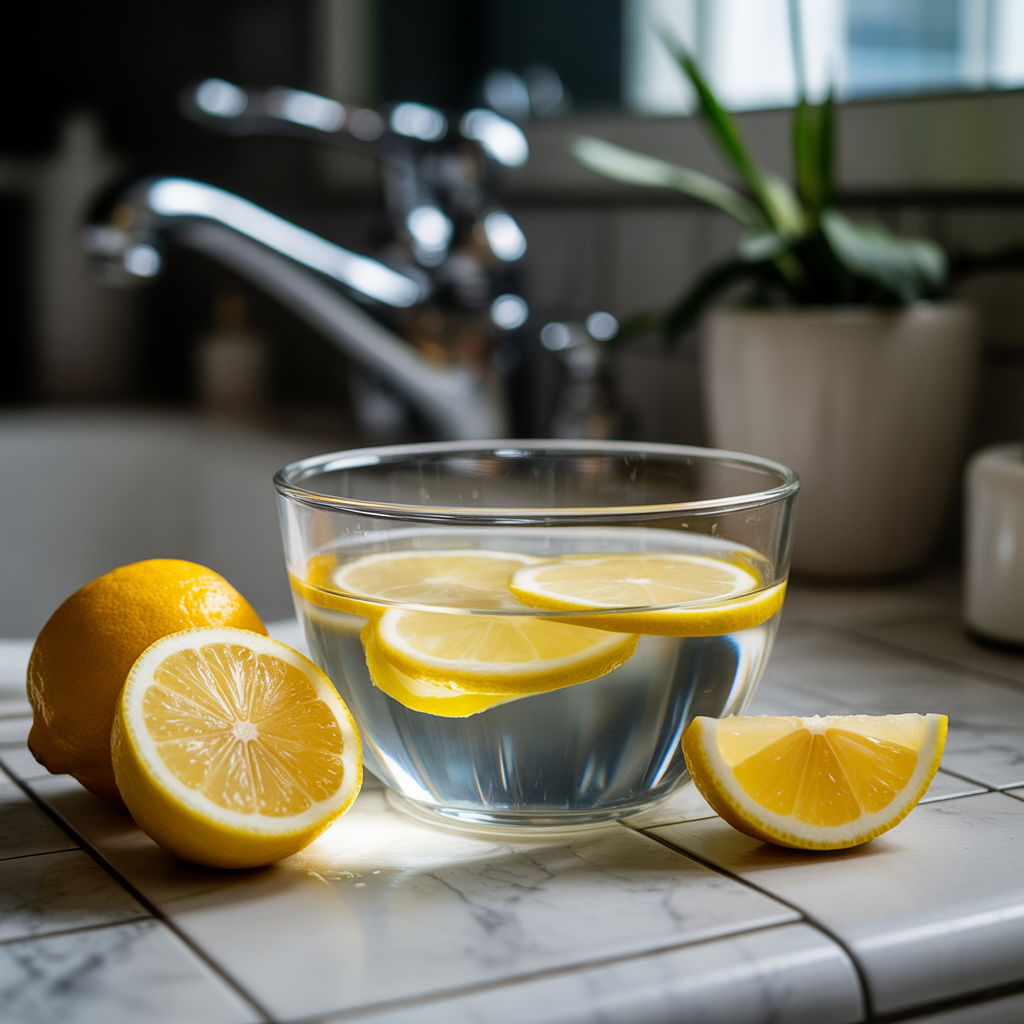
Lemon juice acts as a gentle acidic rinse that dissolves minerals and restores shine. When diluted with water, it refreshes dull strands. This simple method is powerful for anyone searching how to remove hard water build up from hair naturally.
Visit here:how to make thin hair look thick
Clarifying shampoos to reset hair

A clarifying shampoo has deep-cleansing surfactants designed to cut through mineral buildup. Used once or twice a week, it restores lightness and bounce. Clarifiers are among the fastest tools to remove hard water build up from hair, though they must be balanced with hydration afterward.
Baking soda paste for stubborn residue
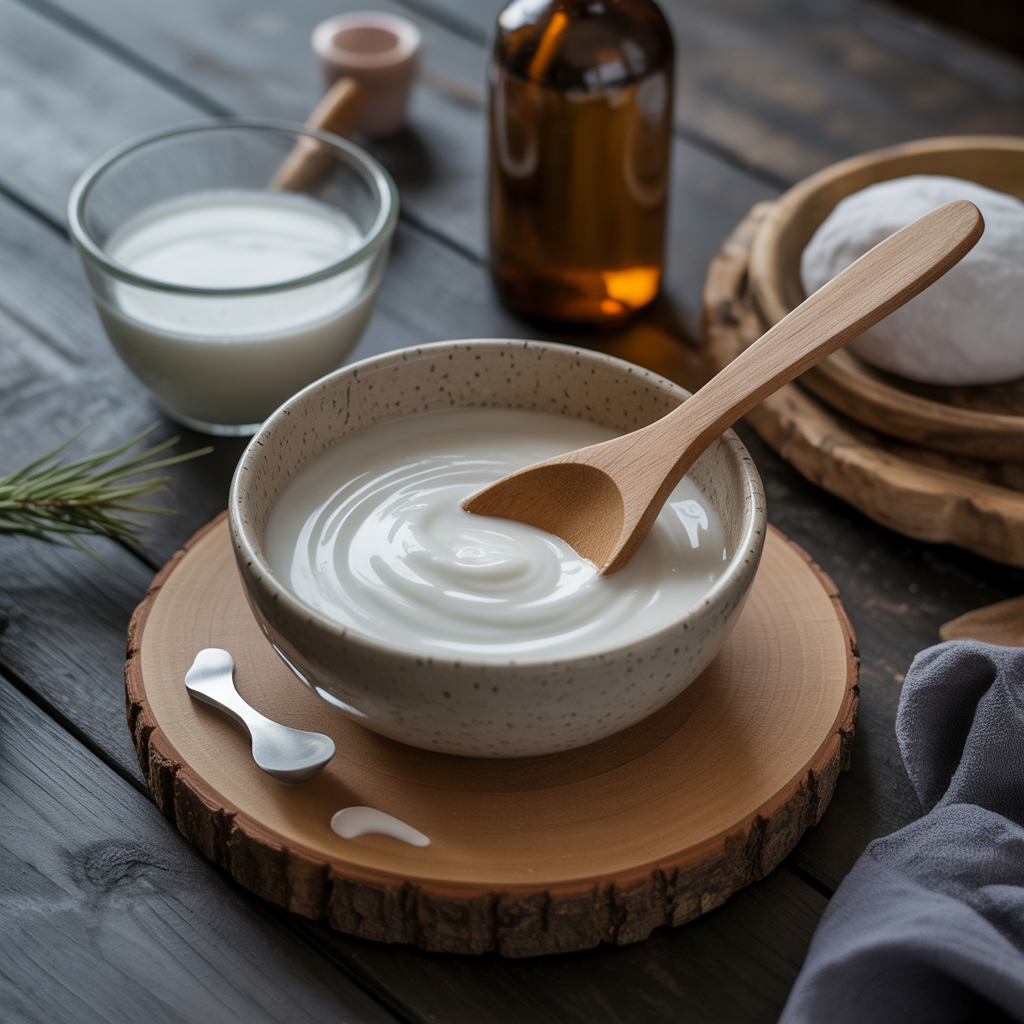
Mixing baking soda with water creates a paste that exfoliates the scalp and loosens mineral layers. It’s a strong remedy, so use sparingly. Still, when clarifiers fall short, baking soda is an effective option to remove hard water build up from hair.
Chelating shampoos for serious buildup
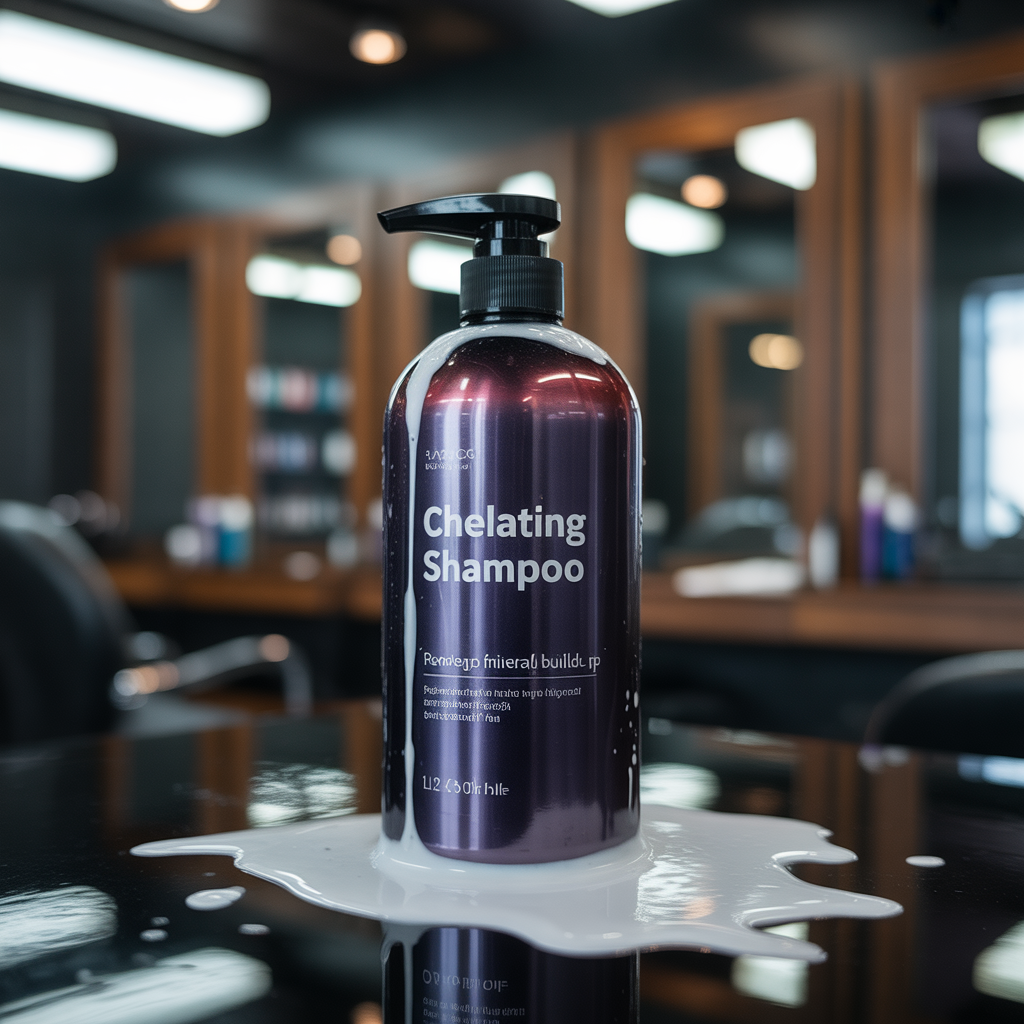
Chelating shampoos contain stronger cleansing agents than clarifiers, targeting calcium and magnesium. They are especially useful for swimmers or those in hard-water-heavy areas. If you need professional-level cleansing, chelators remove hard water build up from hair thoroughly.
Shower filters to prevent buildup
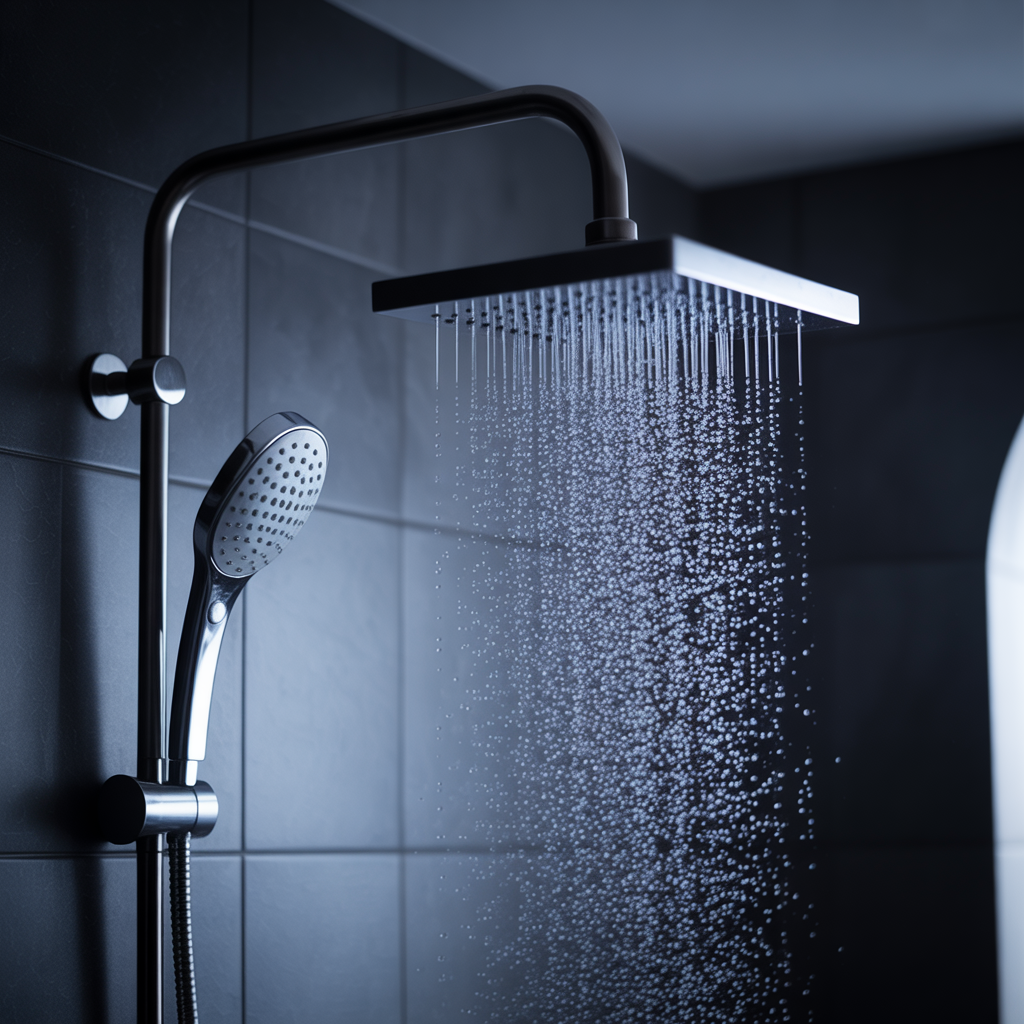
Prevention is as vital as treatment. Installing a shower filter blocks most minerals before they hit your scalp. With regular use, filters minimize the need to constantly remove hard water build up from hair.
Deep conditioning after detox
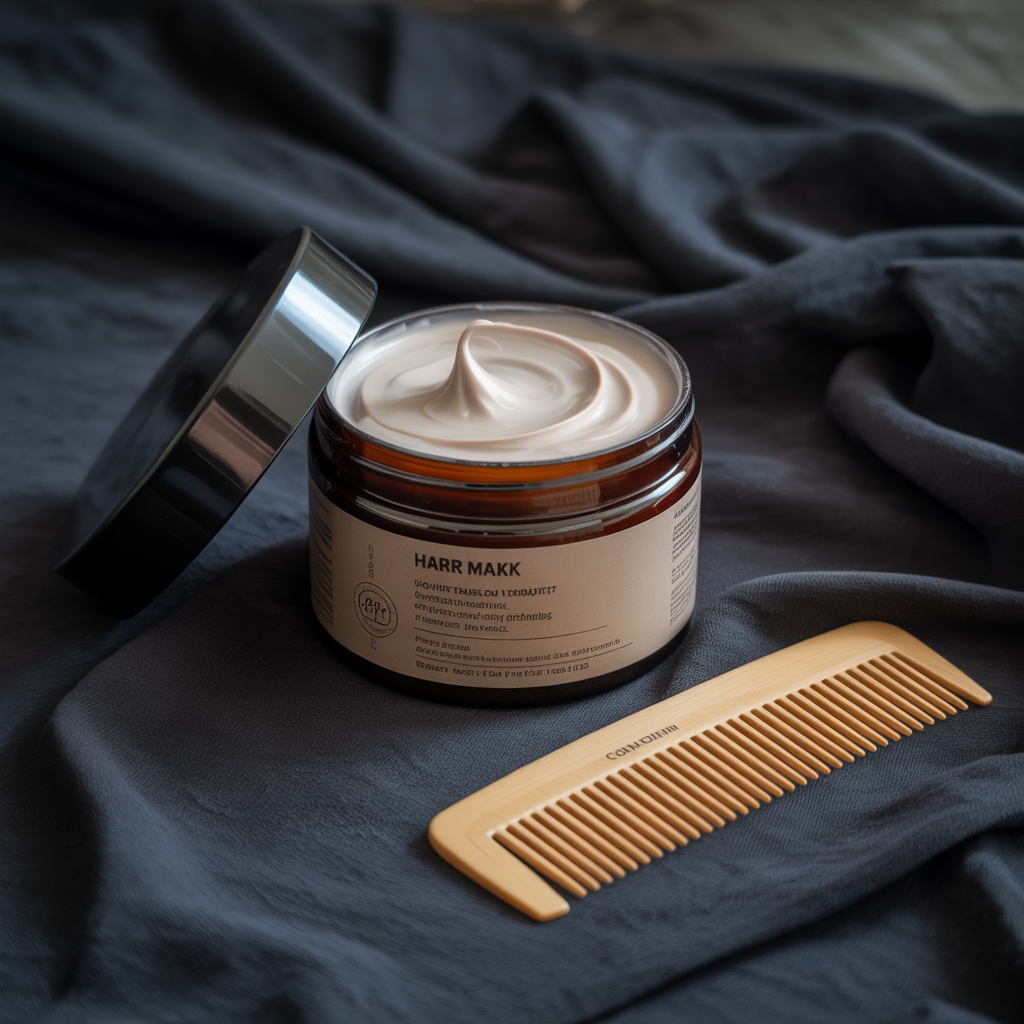
After removing buildup, hair feels raw and thirsty. Deep conditioners restore lost moisture, smoothing the cuticle and preventing breakage. Pairing detox methods with hydration ensures your journey to remove hard water build up from hair is complete.
Signs you need a mineral detox

Limp strands, itchy scalp, fading dye, or a constant greasy feeling are red flags. If regular washing doesn’t help, the issue is mineral overload. Recognizing these signals early makes it easier to remove hard water build up from hair before severe damage occurs.
How color-treated hair reacts to hard water

Dyed hair is porous, making it more vulnerable. Minerals cause uneven fading and dullness. If you want your color to last, learning how to remove hard water build up from hair is crucial for vibrant results.
Professional salon treatments
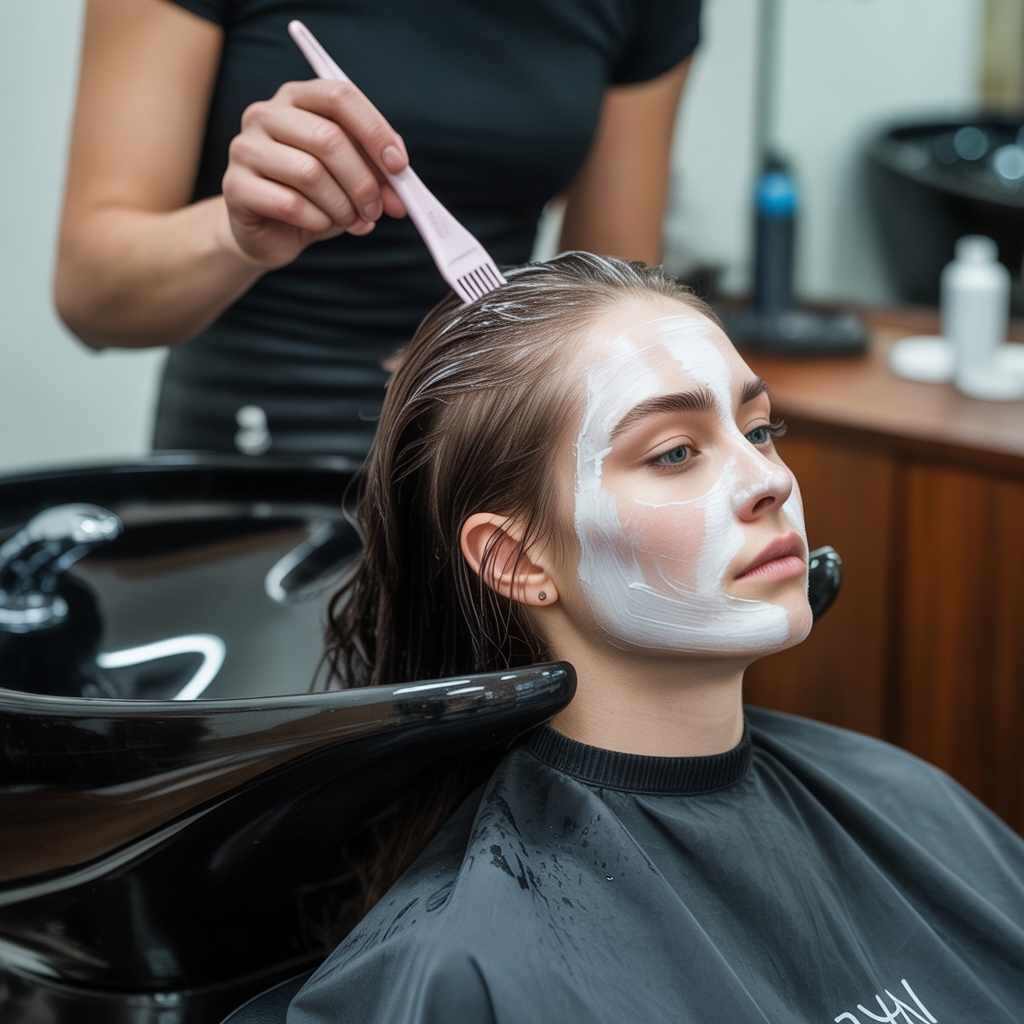
Some salons offer treatments specifically to strip mineral layers. These involve chelating masks or steam-assisted detox. For those who need fast results, professionals can remove hard water build up from hair in a single session.
Using distilled water for final rinse

A final rinse with distilled water ensures no minerals remain on your strands. It’s especially effective for travelers who encounter varying water qualities. This trick ensures your effort to remove hard water build up from hair isn’t wasted.
Epsom salt scalp scrub
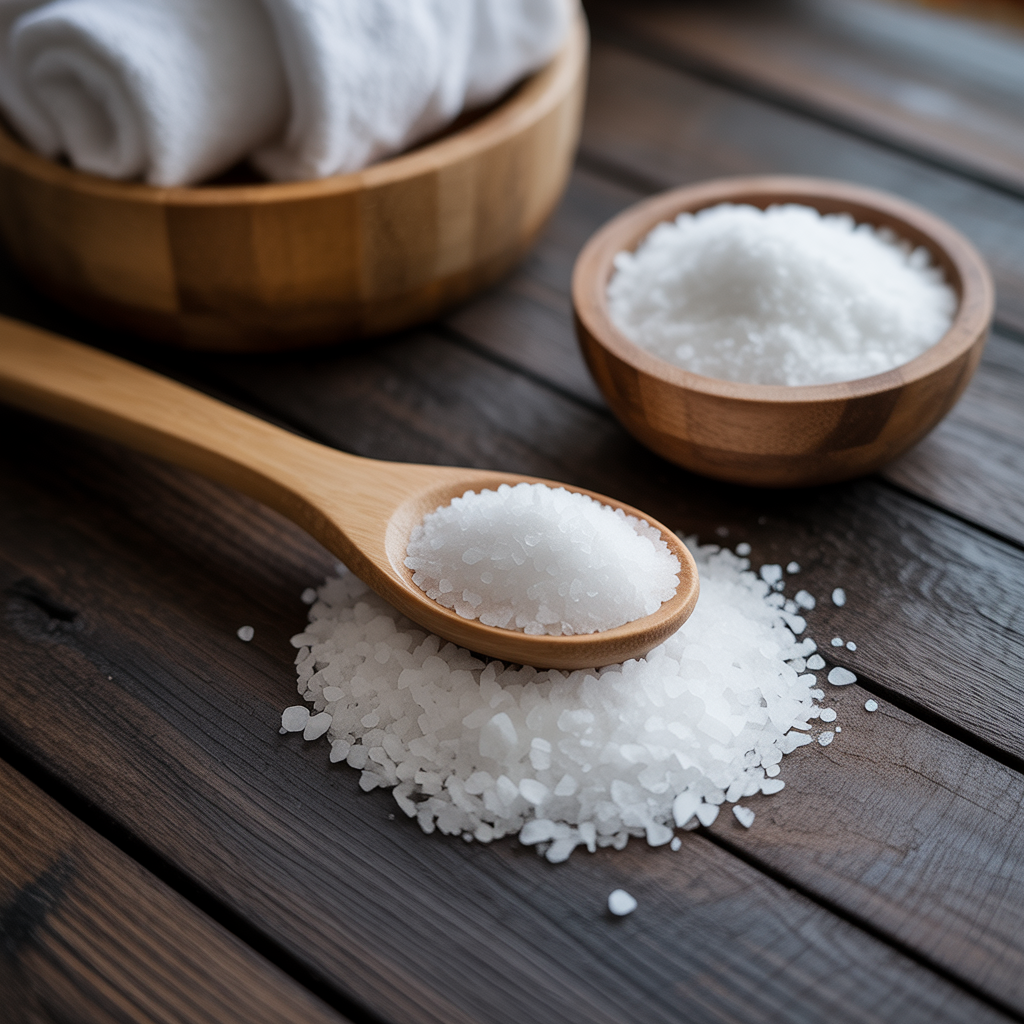
Epsom salt works as both an exfoliant and detoxifier. Massaging it into the scalp removes dead skin cells and mineral particles. It’s a natural way to support your mission to remove hard water build up from hair.
The role of leave-in conditioners
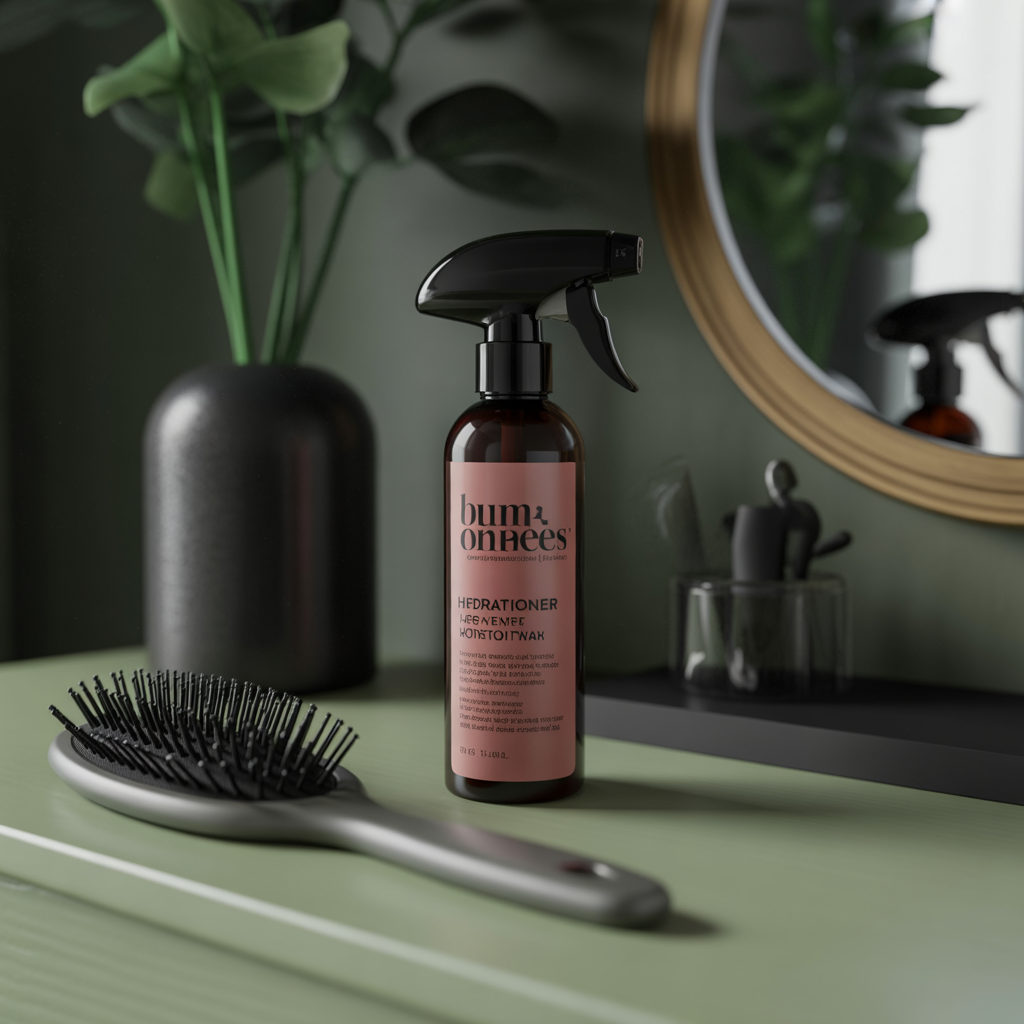
Mineral deposits make hair resistant to moisture. Leave-in conditioners coat the strands, sealing hydration and fighting brittleness. Using them regularly strengthens the effect of methods that remove hard water build up from hair.
Aloe vera gel treatment
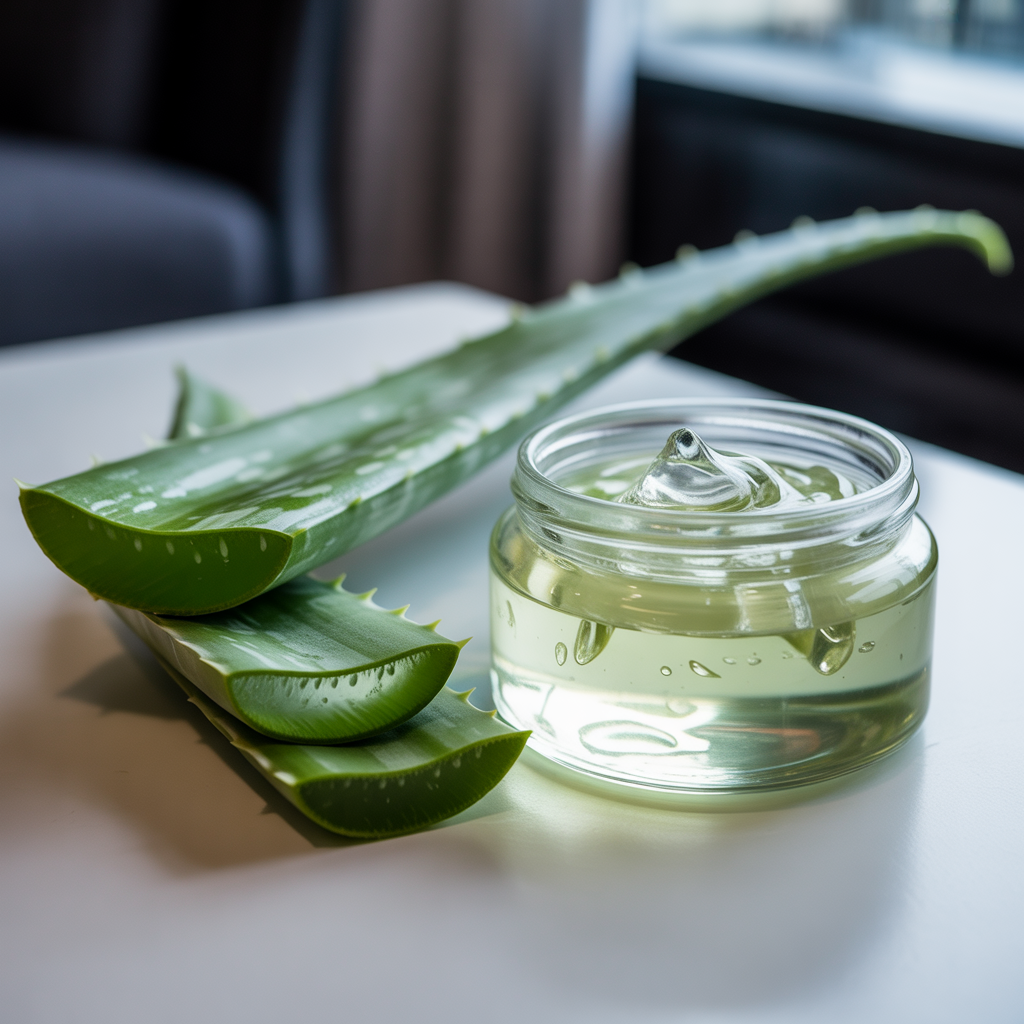
Aloe vera penetrates the cuticle, softening strands while helping dissolve surface deposits. Its natural enzymes soothe scalp irritation caused by buildup. This dual effect makes aloe a valuable ally when you remove hard water build up from hair.
Coconut milk rinse for softness
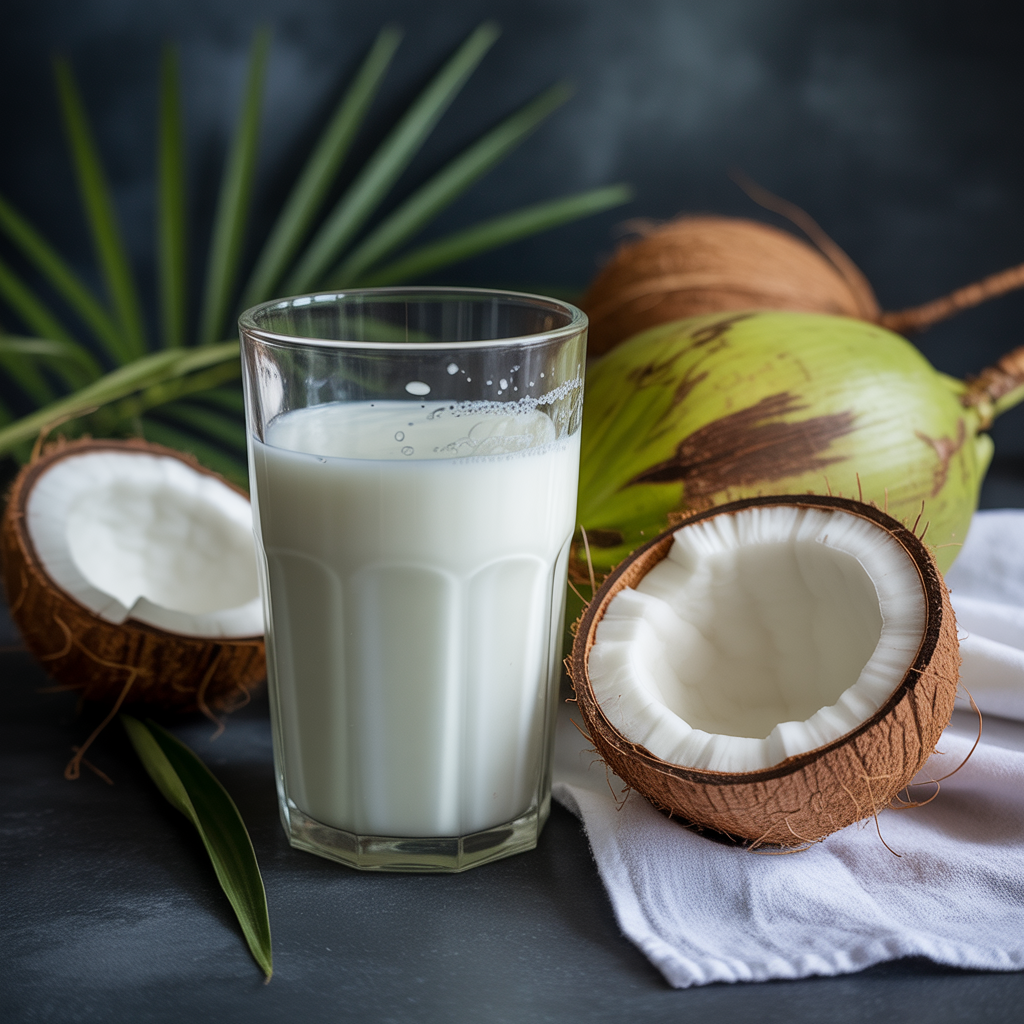
Coconut milk nourishes and hydrates, countering mineral dryness. Used as a rinse, it adds slip and restores natural shine. It may not dissolve minerals fully but supports the overall goal to remove hard water build up from hair.
Hydration masks with natural oils
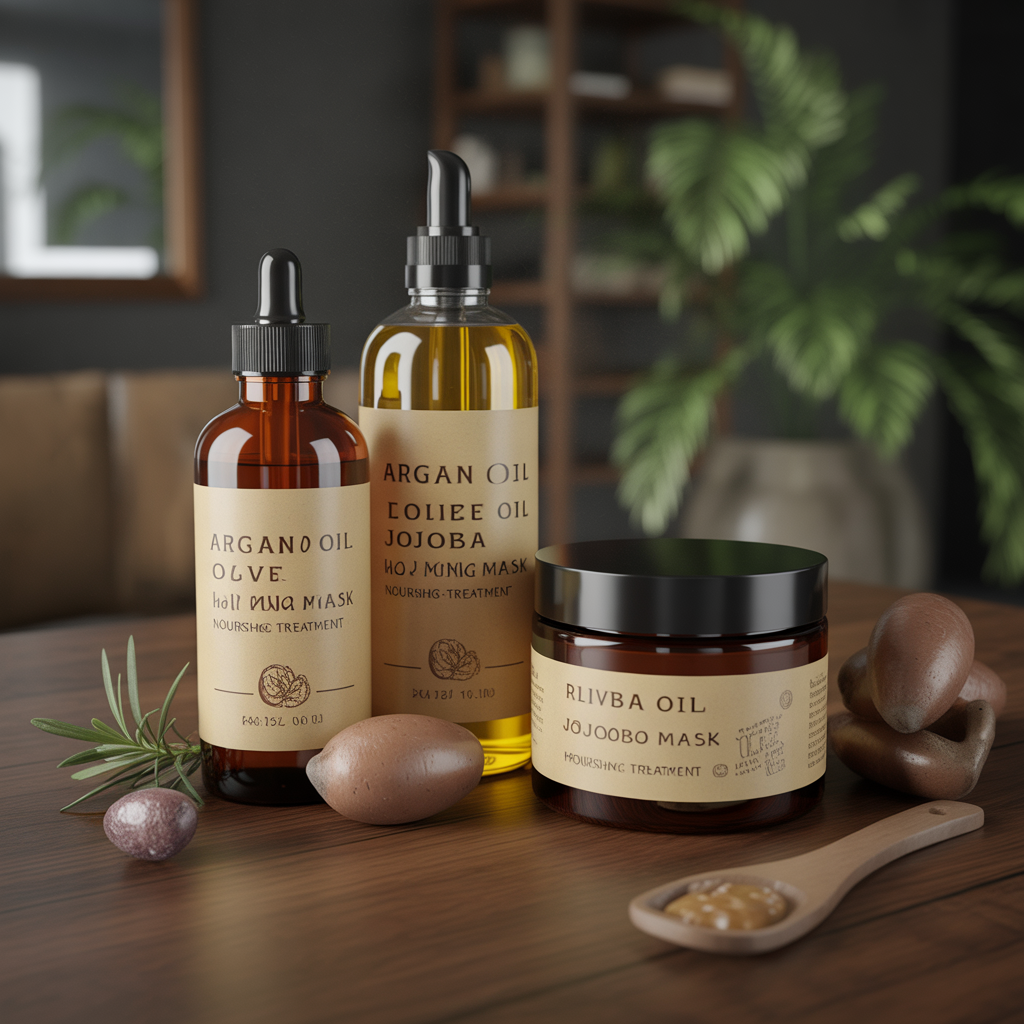
Olive, argan, and jojoba oils penetrate mineral-coated strands to restore flexibility. Oils won’t dissolve deposits, but they reduce brittleness after detox. This step is essential once you remove hard water build up from hair.
Herbal rinses for gentle care

Rosemary, nettle, and chamomile rinses help maintain scalp health while minimizing future buildup. They’re gentle yet effective for those preferring natural remedies. Combined with other strategies, they help you remove hard water build up from hair sustainably.
The importance of scalp massage

Massage improves circulation, aiding detox and stimulating hair follicles. When paired with rinses, it boosts effectiveness. Making massage part of your routine enhances every effort to remove hard water build up from hair.
Differences between clarifying and chelating shampoos
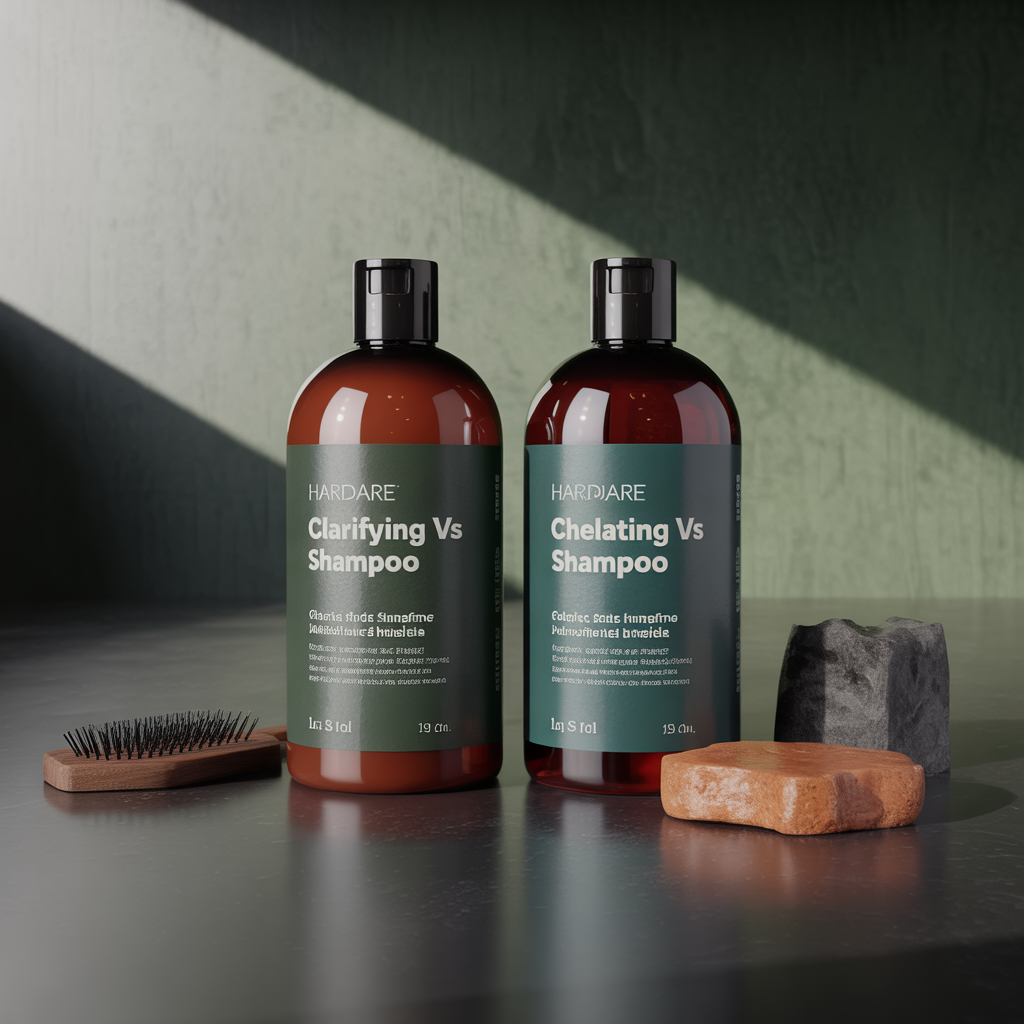
Clarifiers remove surface oil and product residue. Chelators go deeper, binding minerals. Knowing which tool to use helps you avoid over-cleansing while still removing hard water build up from hair effectively.
Why conditioner stops working in hard water areas

If conditioner seems useless, minerals may be blocking absorption. This frustration is common but solvable once you learn how to remove hard water build up from hair correctly.
Hard water and scalp irritation
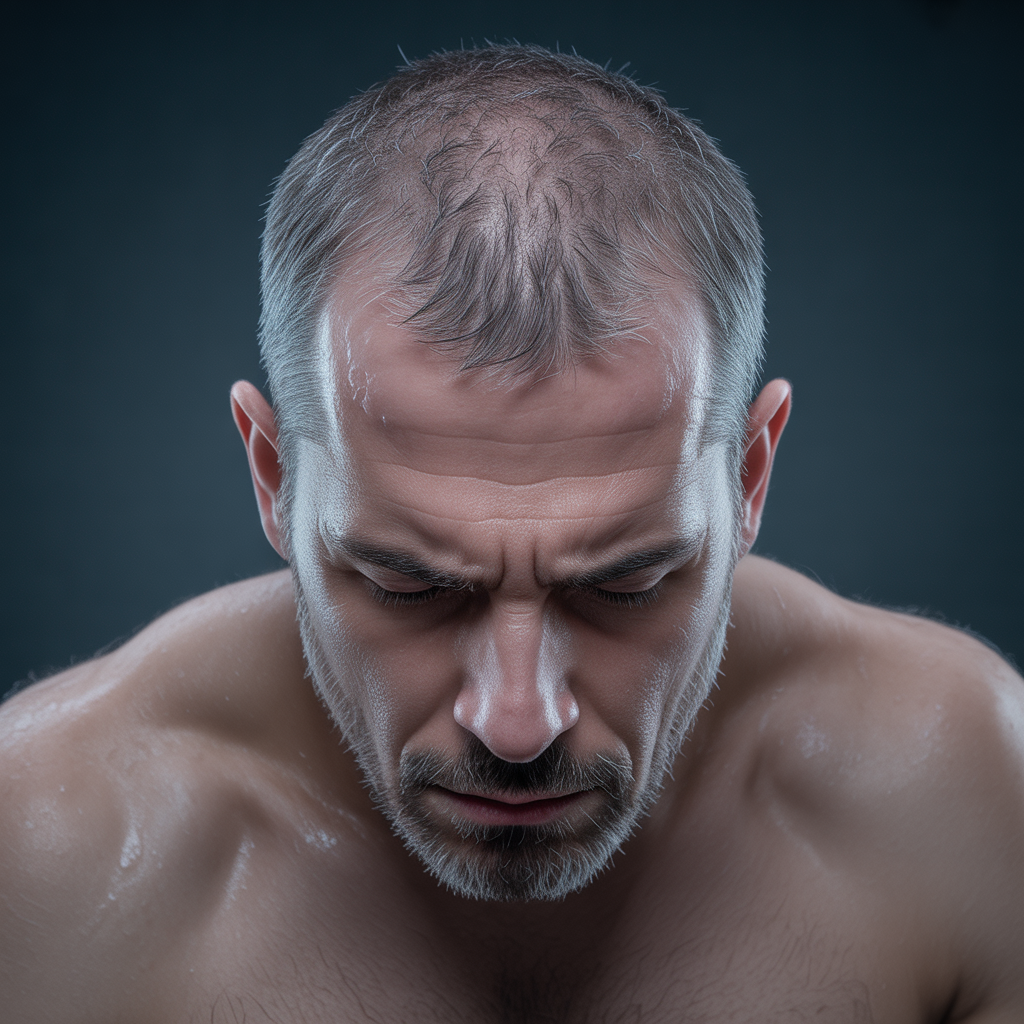
Buildup doesn’t just dull hair—it clogs follicles and irritates skin. Flakes and itchiness often come from mineral residue, not dandruff. Cleansing routines designed to remove hard water build up from hair also improve scalp health.
Balancing pH after detox

Mineral-heavy water raises hair’s pH, making cuticles lift. Acidic rinses like vinegar restore balance, sealing strands for shine. It’s a final step many overlook when they remove hard water build up from hair.
Weekly vs monthly detox routines
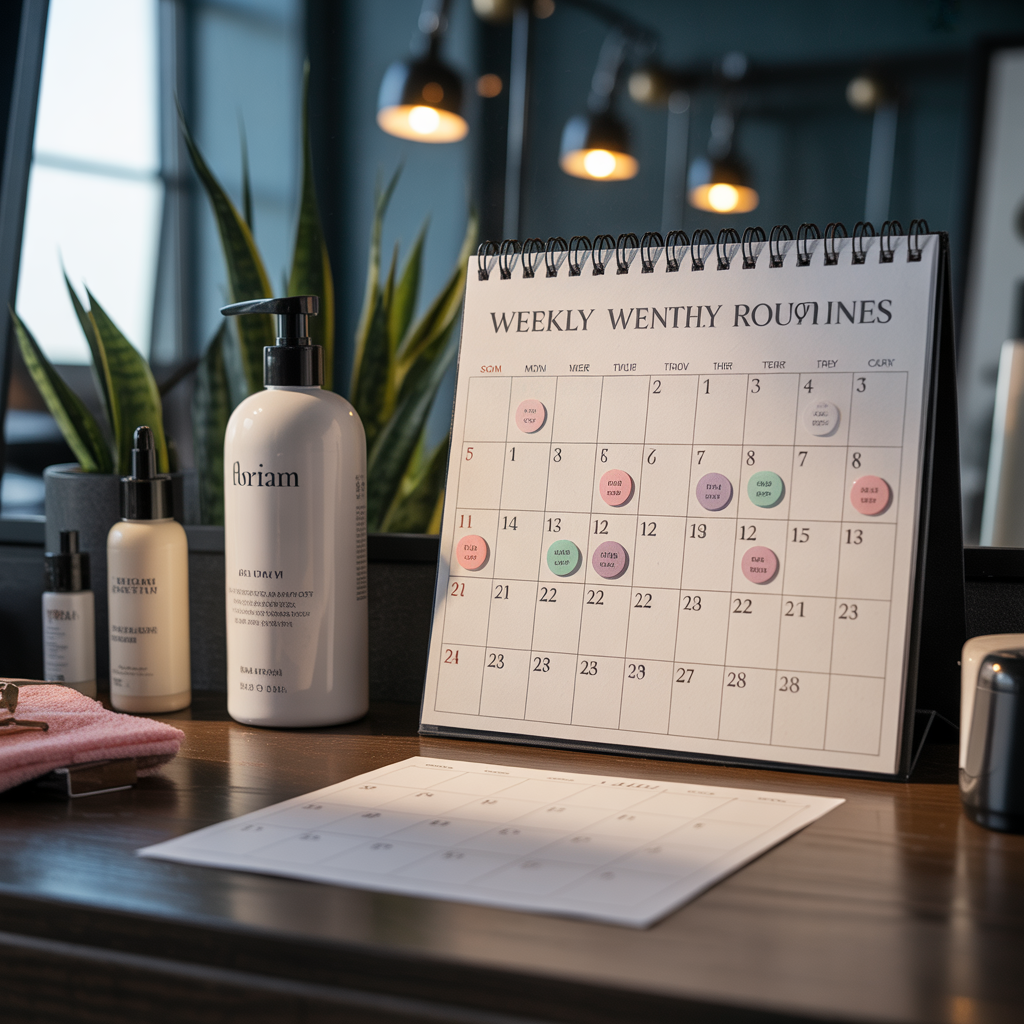
How often you cleanse depends on buildup severity. Weekly clarifying might be too much for fine hair, while monthly chelating could be essential for swimmers. Finding your rhythm ensures you remove hard water build up from hair without over-stripping.
Using silk pillow cases post-detox
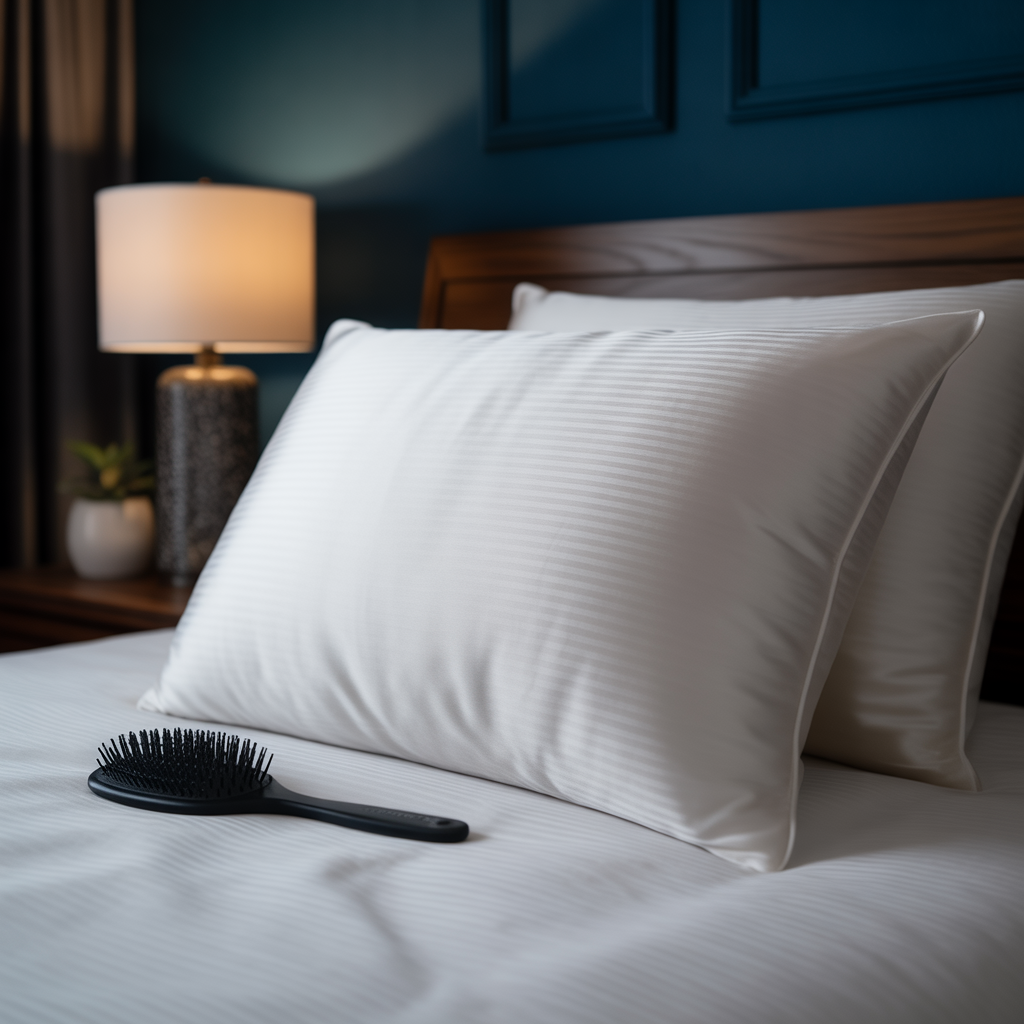
Mineral-stripped hair is fragile. Sleeping on silk reduces friction, preventing breakage. Small lifestyle changes protect your results after you remove hard water build up from hair.
Water softeners as a long-term solution
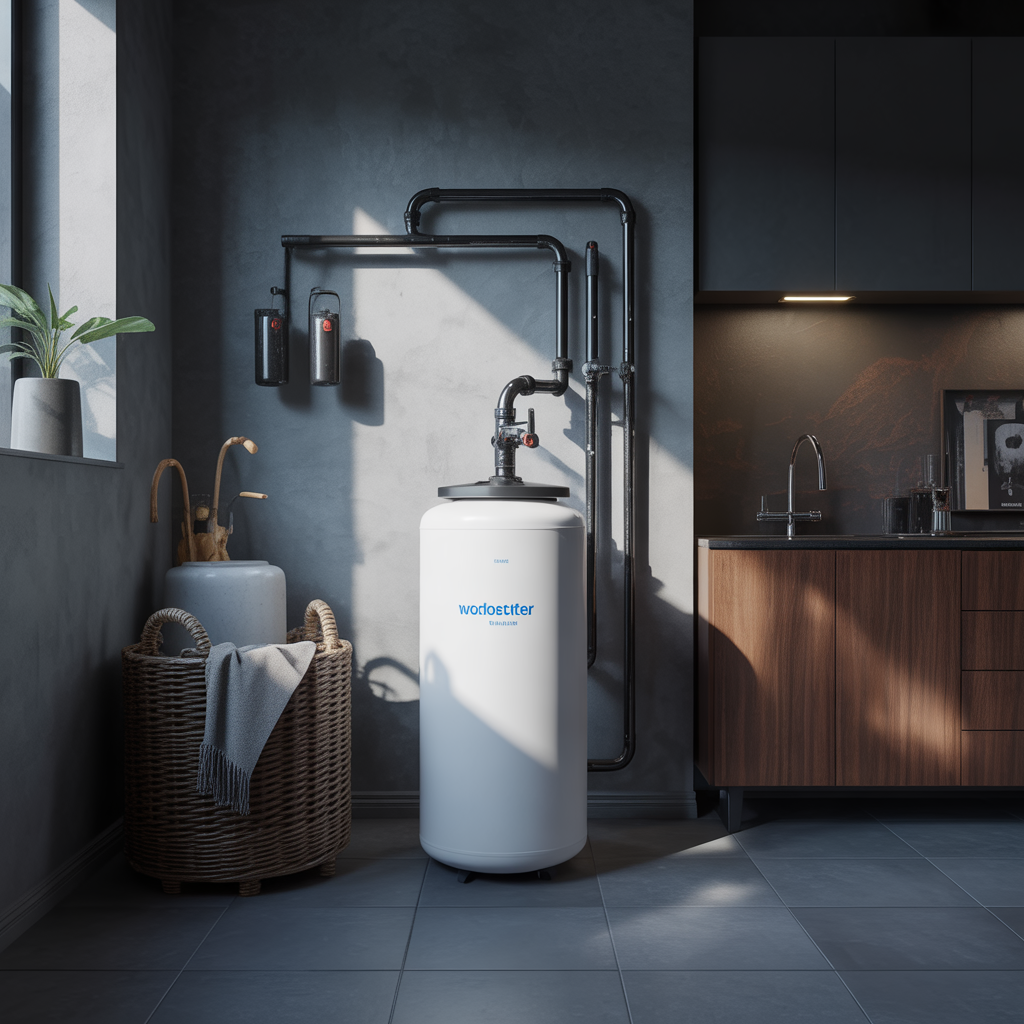
Unlike filters, full water softeners treat the entire household supply. Though costly, they solve the root cause. With softened water, the need to remove hard water build up from hair becomes minimal.
Diet and hydration impact on hair health

Mineral buildup is external, but inner health matters too. Drinking enough water and eating nutrient-rich foods strengthens strands. Stronger hair recovers faster once you remove hard water build up from hair.
Gentle detangling after detox
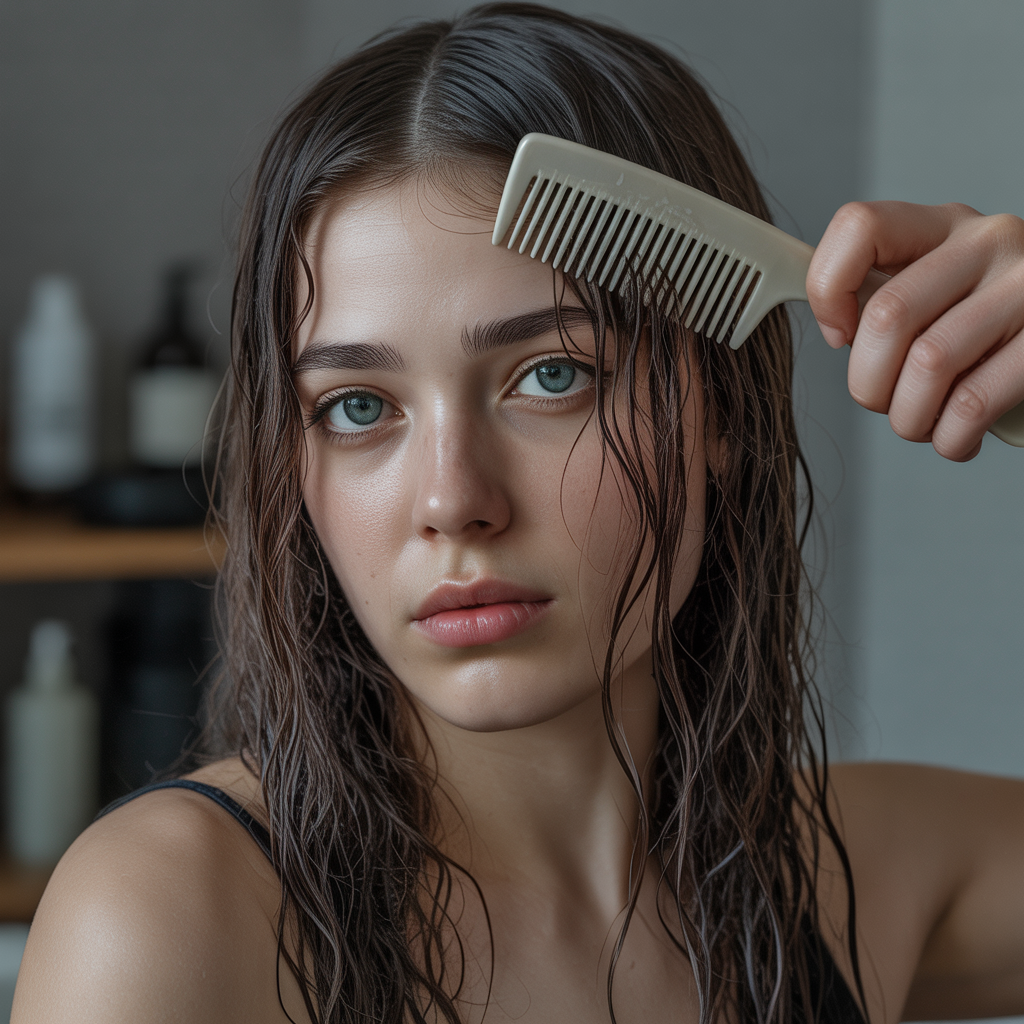
Mineral-heavy strands tangle easily. After cleansing, use a wide-tooth comb to prevent breakage. Protecting strands during recovery ensures your work to remove hard water build up from hair lasts longer.
Long-term maintenance habits
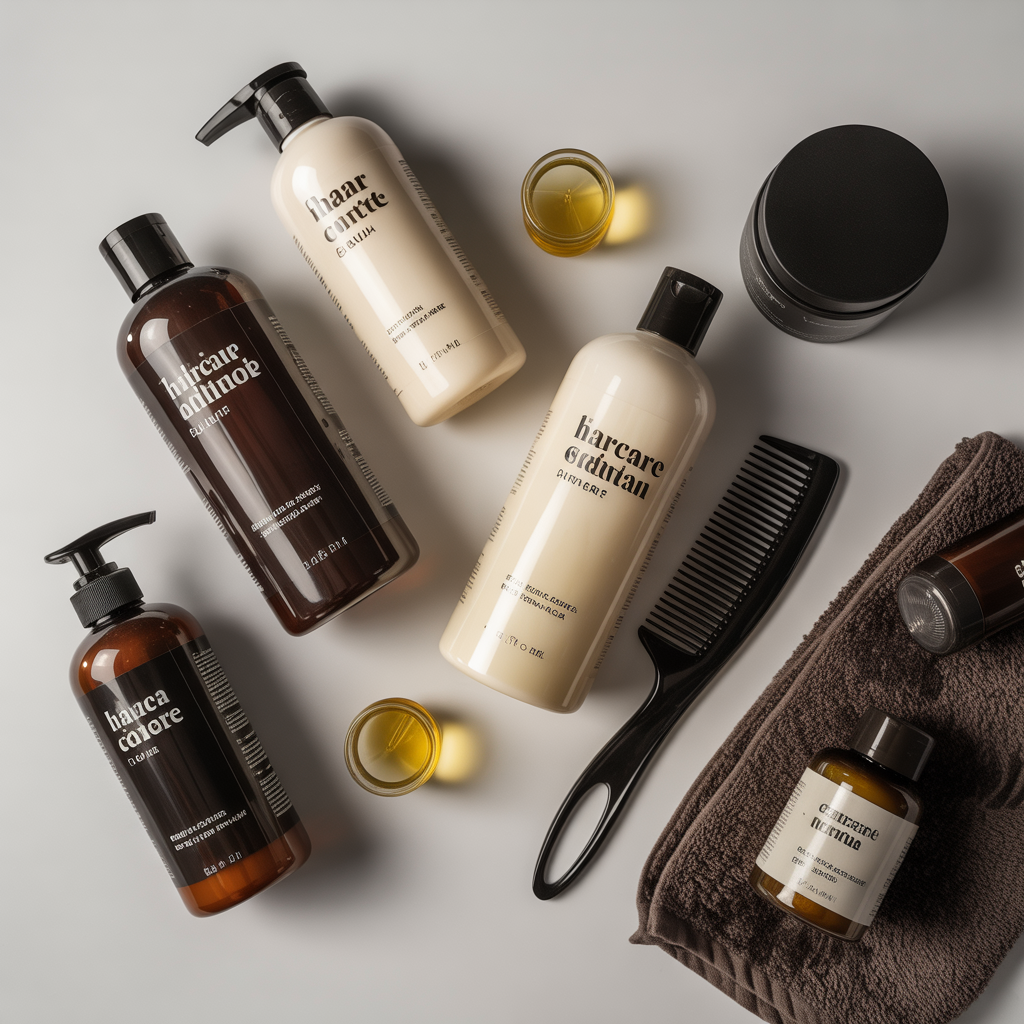
Consistency beats one-time fixes. Rotate clarifiers, use rinses, hydrate deeply, and protect hair while sleeping. These habits keep buildup minimal, making the task to remove hard water build up from hair far easier.
FAQs Of How to Remove Hard Water Build up From Hair
Does hard water permanently damage hair?
No, the damage is not permanent, but prolonged exposure weakens strands. Regular detox methods can remove hard water build up from hair and restore strength.
Can normal shampoo remove hard water buildup?
Most regular shampoos only clean surface oils, not minerals. You need clarifying or chelating products to truly remove hard water build up from hair.
How often should I use vinegar rinses?
Once a week is enough for most people. Overuse can dry out hair, so balance it with deep conditioning when you remove hard water build up from hair.
Is it safe to use baking soda on hair?
Yes, in moderation. Use only once a month, as it can be drying. Baking soda helps remove hard water build up from hair when other methods fall short.
Can hard water cause hair loss?
Indirectly, yes. Buildup clogs follicles and makes strands brittle, leading to breakage and shedding. Removing hard water build up from hair reduces this risk.
Conclusion
Hard water buildup is relentless, but not unbeatable. With the right strategies—rinses, clarifiers, filters, and consistent care—you can restore softness and shine. Learning how to remove hard water build up from hair is about more than appearance; it’s about scalp health, strand strength, and long-term resilience. A strong routine keeps minerals from dictating how your hair feels and looks.


